

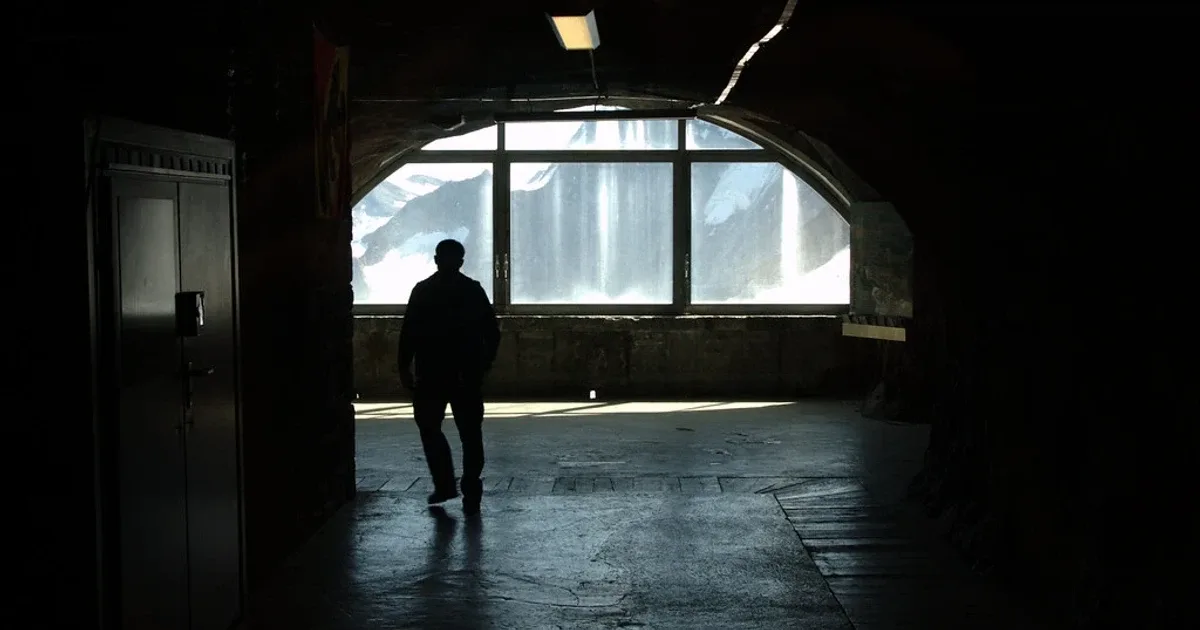
Switzerland retains one of the world’s most comprehensive nuclear shelter networks, boasting more than 370,000 shelters and enough capacity to accommodate roughly 9 million people—surpassing the country’s population. This extensive system, rooted in civil protection obligations from the 1960s, remains largely intact despite most other nations dismantling similar fallout shelters after the Cold War.
The shelters, often located in the basements of ordinary residential buildings across urban and suburban areas, were originally designed to protect citizens from nuclear fallout, armed conflicts, natural disasters, or other human-made emergencies. Switzerland’s Federal Office for Civil Protection characterizes a shelter as an underground structure capable of offering such protection, and continuous construction has ensured nationwide coverage over decades.

Modern shifts have seen some bunkers adapt to new uses beyond civil defense. Several Cold War-era shelters now serve as migrant housing amid ongoing humanitarian challenges, converting what was once a tool of wartime survival into a resource for contemporary social needs. Additionally, many shelters house wine collections and art storage, taking advantage of their stable underground environments.
Recent government plans underscore the strategic value of these shelters amid renewed concerns about security in Europe. Updates to the aging infrastructure aim to preserve and modernize the network, reaffirming Switzerland’s unique position: a neutral country with a longstanding commitment to civilian protection that remains relevant even as geopolitical tensions evolve. The system’s scale and adaptability continue to shape how Switzerland addresses both old and emerging challenges.