

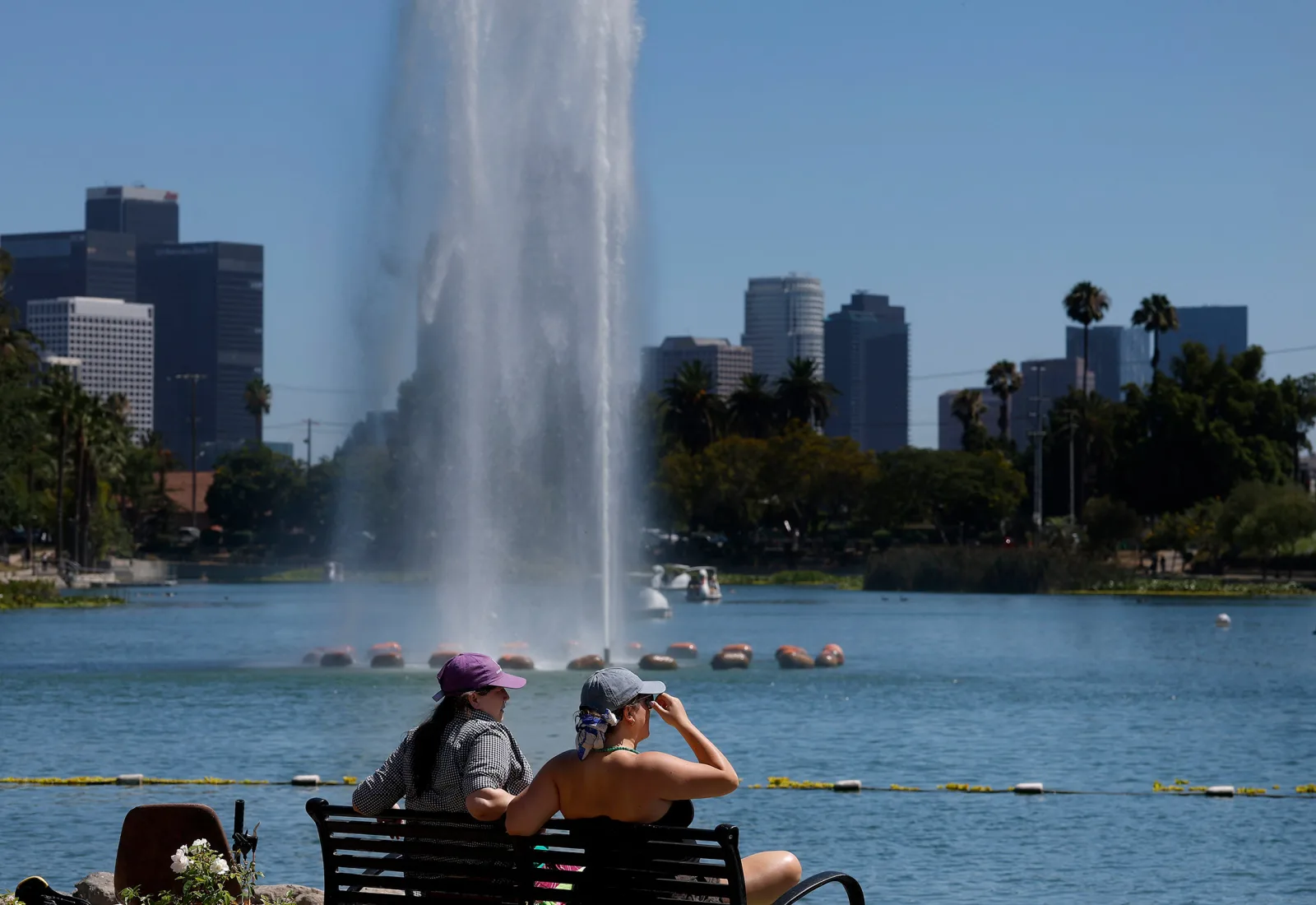
Los Angeles is experiencing an uncommon surge in humidity this summer, a stark departure from its typical dry heat conditions. The rise in moisture is linked to an extensive marine heat wave warming the Pacific Ocean waters off Southern California's coast. This phenomenon, in turn, is driving higher atmospheric humidity and making the climate feel significantly hotter than normal.
According to climate scientists, the marine heat wave stretching across the Pacific from Mexico toward Hawaii is fueled by human-driven climate change. Though the region does not experience humidity levels comparable to the East Coast, the added moisture elevates temperatures in the high 80s Fahrenheit, creating a perceived heat closer to the low 90s. This elevated “RealFeel” temperature intensifies discomfort for residents unaccustomed to such conditions.

Meteorologists attribute the increased humidity to warmer ocean waters evaporating more moisture into the air, combined with a weak onshore wind pattern carrying this humid air inland. In downtown Los Angeles, temperatures near 90°F feel several degrees warmer due to dew point influences. The amplified heat index challenges public health by impairing the body's natural cooling mechanism and stresses energy grids as air conditioning usage rises.
This marine heat wave near California is part of a broader global pattern of abnormally warm ocean conditions. Marine heat waves have also been reported near Alaska, Siberia, Hudson Bay, and the Mediterranean Sea. Additionally, Pacific waters near Peru and across the equator are warming as part of a developing strong El Niño, which many experts expect to be one of the most intense on record.
Such warming events contribute to a Northern Hemisphere summer marked by record-breaking temperatures, widespread wildfires, and severe flooding. The combined effects of these oceanic and atmospheric changes underscore the growing influence of climate change on regional weather extremes and their impacts on public health and infrastructure.