

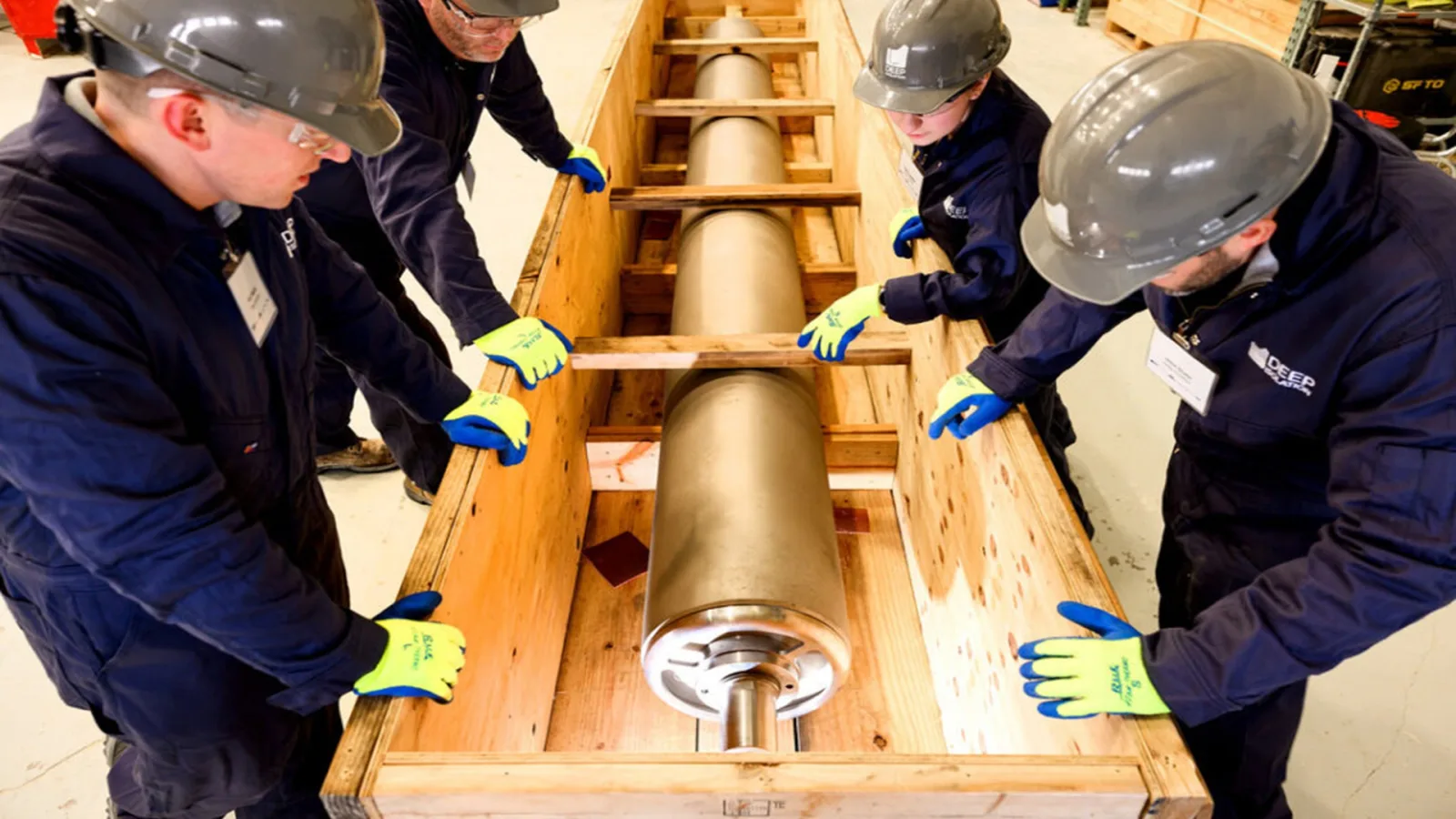
A comprehensive three-year study by a US government research team has highlighted deep boreholes as a promising method to permanently dispose of radioactive waste generated from recycled nuclear fuel. This approach could reduce disposal costs significantly, with estimates falling below 0.1 cent per kilowatt-hour of electricity produced, making it a notably economical alternative to current waste management strategies.
Deep borehole disposal involves drilling vertical shafts several kilometers deep into stable geological formations, placing processed nuclear waste well below groundwater sources. The technique leverages natural isolation properties to contain radioactivity over millennia, minimizing environmental and public health risks. According to the study, this method shows potential for enhanced safety over traditional surface or near-surface repositories.

The research evaluated the full lifecycle costs of nuclear energy, factoring in recycling of used fuel to extract usable materials and the subsequent disposal of the remaining high-level wastes. By integrating deep borehole disposal, the study found that nuclear power's waste management expenses could decrease substantially, which might improve the overall economic competitiveness of nuclear energy.
Experts emphasize that deep borehole disposal benefits from requiring less surface infrastructure and reduces transport distances for waste. The natural geological barriers at several kilometers depth offer robust containment, lessening dependency on engineered barriers that might degrade over time. This approach is under consideration as part of the broader strategy for managing the long-term challenges posed by nuclear waste.
While the concept has existed for decades, this study provides updated cost analysis data and highlights advances in drilling technology that make deep boreholes more feasible than previously thought. The findings could influence policy decisions aimed at securing sustainable, affordable, and safe solutions in the nuclear fuel cycle.