

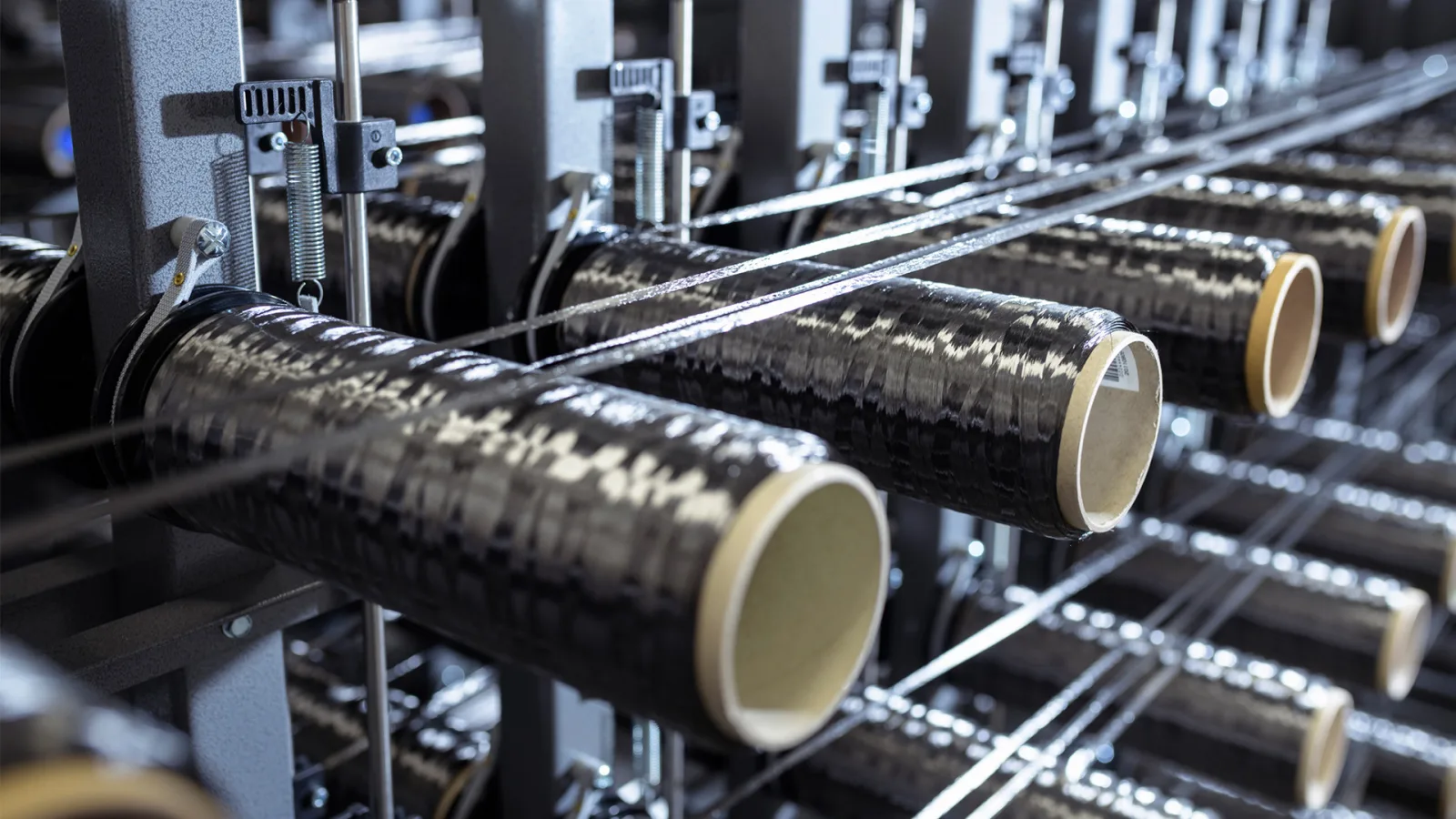
Engineers at Washington University in St. Louis have developed a method to produce carbon fiber using lignin, a natural byproduct of the paper industry, which could decrease manufacturing costs by a quarter. This innovation offers an alternative to traditional carbon fiber production that relies heavily on petroleum-derived precursors.
The research demonstrates that substituting a portion of the synthetic materials with waste lignin not only lowers expenses but also reduces the environmental footprint associated with carbon fiber. Lignin, typically discarded as waste or burned as low-grade fuel, is abundant and renewable, making it a promising feedstock for more sustainable production.

Carbon fiber is a high-performance material widely used in aerospace, automotive, and sporting goods due to its strength and lightweight properties. However, the current manufacturing process is expensive and energy-intensive, largely because it depends on polyacrylonitrile (PAN), a petroleum-based polymer. By incorporating lignin, manufacturers could cut costs and oil consumption without compromising material quality.
The research involves refining lignin’s molecular structure to make it suitable for carbon fiber precursors, addressing challenges such as heterogeneity and thermal stability. Once processed, the lignin-based fibers undergo carbonization to achieve the desired mechanical properties.
This approach aligns with broader efforts to adopt bio-based materials in advanced manufacturing and reduce reliance on fossil fuels. If scaled, the integration of waste lignin into carbon fiber production could contribute to more affordable and environmentally responsible manufacturing in various industries.