

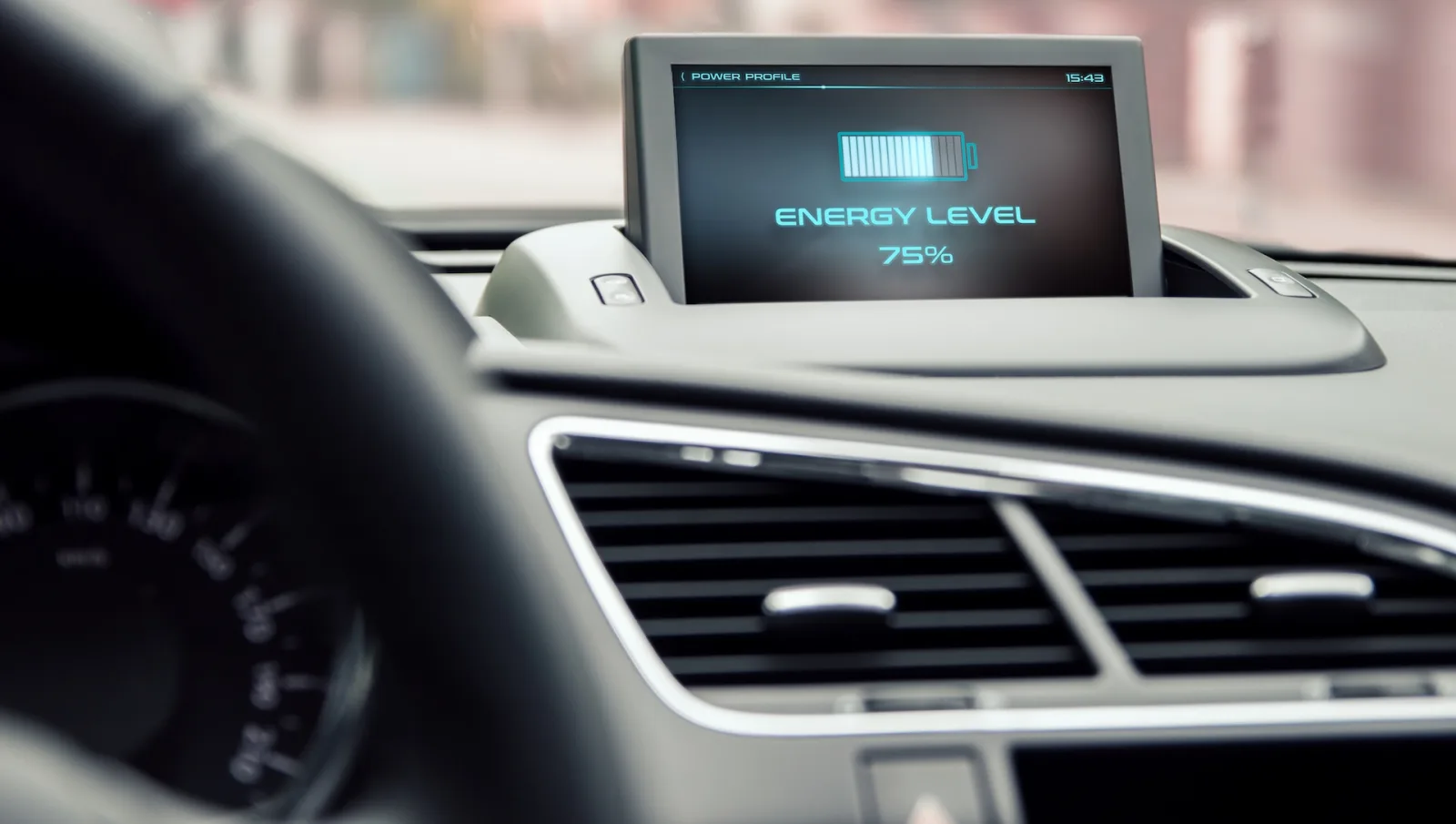
Electric vehicles (EVs) usually present their remaining battery charge as a percentage, a design choice rooted more in familiarity than technical reasons. This approach parallels the way fuel gauges in traditional internal combustion engine (ICE) vehicles have long shown fuel levels as a fraction or percentage rather than raw volume measurements. An online discussion among EV drivers revealed a desire for more precise readings, such as kilowatt-hours (kWh), that better match how some owners monitor energy usage and efficiency.
Many EV drivers track efficiency using miles per kWh, making a display of remaining energy in kWh potentially more useful. Such a readout could provide clearer insights into how driving conditions impact battery consumption and allow drivers to plan trips with a tighter margin of safety. Offering real-time energy units might also encourage more economical driving habits, such as adjusting speed or timing charging sessions strategically, helping owners maximize their lower fueling costs compared to gasoline vehicles.

However, the widespread use of percentages remains common because it is intuitive and quick to understand. For many drivers, percentage charge coupled with estimated remaining range offers a straightforward indication of how far they can travel, without the need for additional calculations. This simplifies decision-making on the road, as raw kWh numbers require context—such as current efficiency—to be meaningful to most users. Furthermore, this design reflects a carryover from gas tank gauges dating back nearly a century, reinforcing a sense of familiarity between EVs and legacy vehicles.
For drivers interested in a more precise estimate, remaining kWh can be calculated by applying the displayed percentage to the vehicle’s known usable battery capacity. Many EVs already provide supplementary data such as recent energy efficiency and trip consumption, which together offer a more detailed picture of battery use than any single measurement alone.