

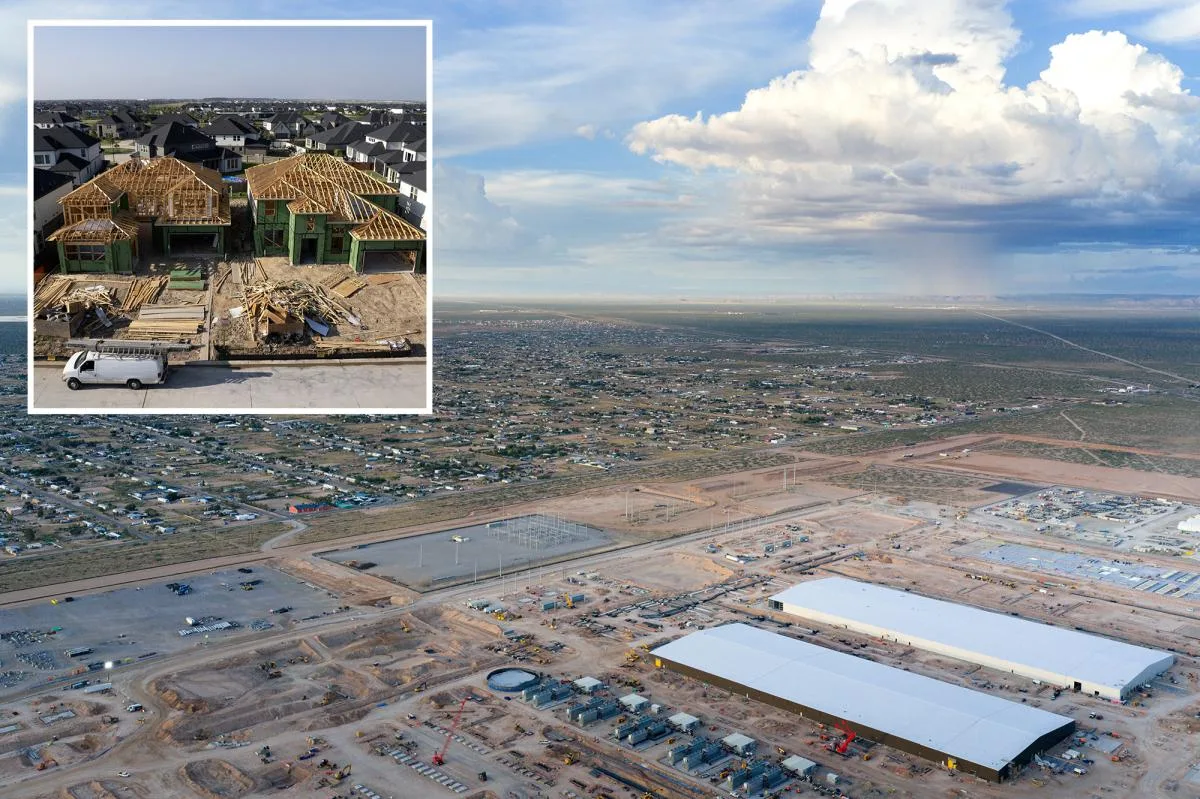
The rapid expansion of AI data centers across the United States is generating high-paying opportunities in skilled trades, reshaping the labor market outside traditional tech sectors. Hundreds of thousands of positions in construction roles like electricians, plumbers, and supervisors now offer six-figure salaries without requiring college degrees, prompting increased interest in these blue-collar careers.
This trend reflects a critical labor shortage in the construction industry, which is already struggling to meet demand. The shortage has driven wages for data center construction workers up by 25% to 30% or more, with some earning up to $200,000 annually. The growing deficit of qualified workers threatens to delay construction timelines and increase costs across the housing sector, where many projects depend on the same skilled labor pool.

Data center construction saw a remarkable spike, with national starts reaching nearly $80 billion in 2025—triple the year before. This surge has created an urgent demand for nearly 439,000 workers, including electricians, pipe layers, and HVAC technicians. The need transcends traditional tech hubs, extending to states like Texas, Virginia, Georgia, Pennsylvania, and Ohio, where data centers are rapidly proliferating.
Housing markets feel these pressures acutely. Labor shortages not only slow down new homebuilding but also inflate costs, further complicating affordability. Zoning restrictions exacerbate these challenges, but even where projects get approval, a lack of skilled workers can render them unprofitable or cause significant delays. The increased presence of data centers near residential areas also shifts local economic dynamics, particularly impacting lower-income communities where new home sales close to these facilities are rising.
Addressing these intertwined labor and housing challenges will require policies encouraging younger workers to enter skilled trades. With competitive wages drawing more to the sector, a renewed focus on training and retaining a construction workforce is critical to support both the booming AI infrastructure and sustainable housing development.