

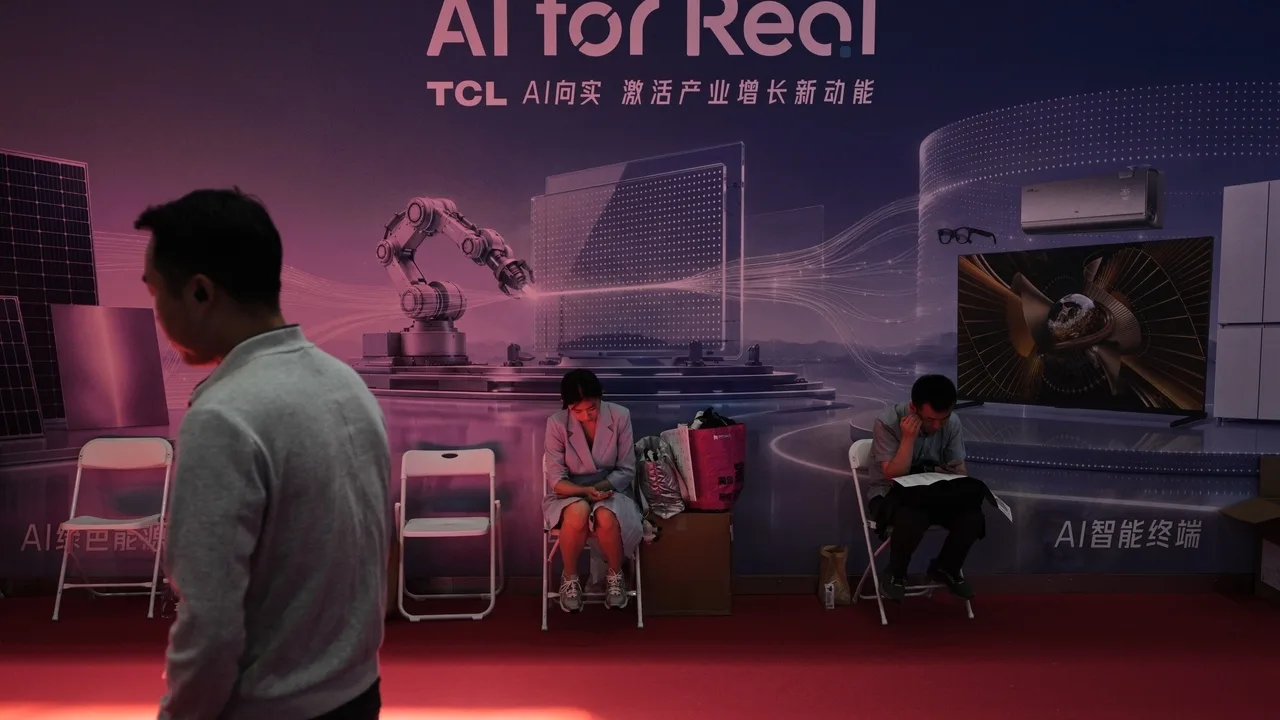
Chinese workers in technology fields are growing anxious as artificial intelligence tools begin to reshape their workplaces, threatening to replace some human roles. Recent layoffs have heightened fears among programmers and other professionals who worry their skills may become obsolete amid rapid AI advancements.
This unease comes as companies increasingly explore AI applications for coding and other tasks traditionally done by humans. In some cases, employers have hinted at AI’s potential to take over these jobs, which has coincided with workforce reductions. Workers in major urban centers like Beijing are feeling the immediate effects, with some losing positions soon after such discussions.

The uncertainty extends beyond the tech industry's frontline employees to wider sectors where AI is expected to streamline operations and reduce labor demand. While the Chinese government has promoted AI development as a key economic strategy, workers are grappling with the implications for employment stability. Young professionals, in particular, face challenges adapting to a job market that increasingly values AI-compatible skills.
Despite the concerns, experts note that AI adoption will also create new roles requiring different expertise, highlighting the need for workforce retraining and education. Still, the transition period raises questions about social safety nets and how displaced workers can adjust during this technological shift.
As China pursues ambitious plans to embed AI across industries, worker apprehension underscores a broader tension between innovation and labor displacement. The balancing act will involve managing economic competitiveness alongside protecting livelihoods amid accelerating automation.