

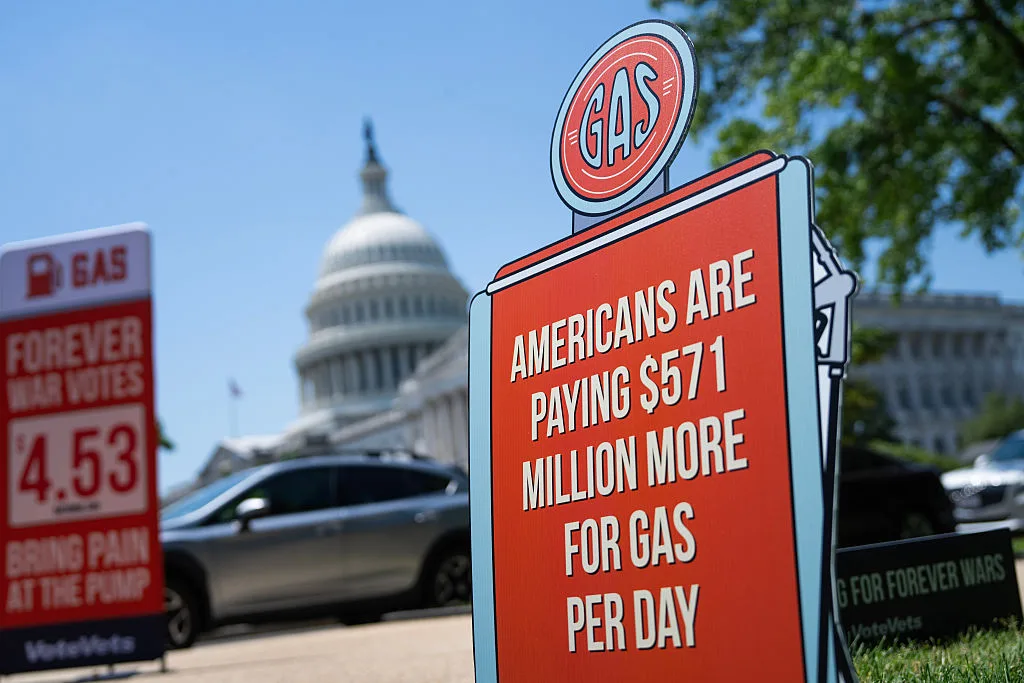
The U.S. economy is grappling with soaring inflation largely fueled by its continued dependence on fossil fuels, a situation exacerbated by recent geopolitical conflicts in the Middle East. The ongoing U.S.-Israeli involvement against Iran has triggered sharp increases in crude oil prices, which ripple through sectors critical to daily life, from transportation to food production.
One clear consequence is the surge in gasoline and diesel costs. Since diesel fuels the vast network of trucks that transport food, rising fuel prices are directly inflating grocery bills. This strain extends beyond transportation—fertilizer prices have spiked because key components, such as nitrogen-based chemicals, depend heavily on natural gas and are partially produced in Middle Eastern countries affected by the conflict, including disruptions near the Strait of Hormuz, a vital global shipping lane.

This region’s instability threatens fertilizer supplies, which are essential for crop yields worldwide. Economists warn that these supply chain interruptions will sustain upward pressure on food prices in the coming months. The World Bank’s projections indicate a potential sharp increase in global food insecurity, with millions more at risk, particularly in developing economies of Africa and the Asia-Pacific.
Compounding the problem, the rise in residential electricity bills is linked to the dominance of fracked natural gas in U.S. power generation. Although domestic production has surged since the early 2000s, a significant portion of this gas is now exported. This exposes U.S. consumers to global market fluctuations, pushing utility costs higher and adding to household financial burdens.
The Federal Reserve Bank of Dallas cautioned that a prolonged closure of the Strait of Hormuz could precipitate a global economic downturn. Even with the strait’s reopening, the lag in restarting oil wells and refineries is expected to cause prolonged supply shortages, driving prices higher. Critics argue that the Trump administration’s consistent prioritization of fossil fuel industries and rollback of climate regulations undermine renewable energy development, deepening the nation’s and world’s economic vulnerabilities to energy shocks.
This dynamic creates a feedback loop where elevated fossil fuel prices drive inflation in essential goods and services, making life more expensive for millions worldwide. Transitioning away from fossil fuels, experts argue, is critical not just for environmental reasons, but also to stabilize economies and ease the financial burdens on consumers globally.