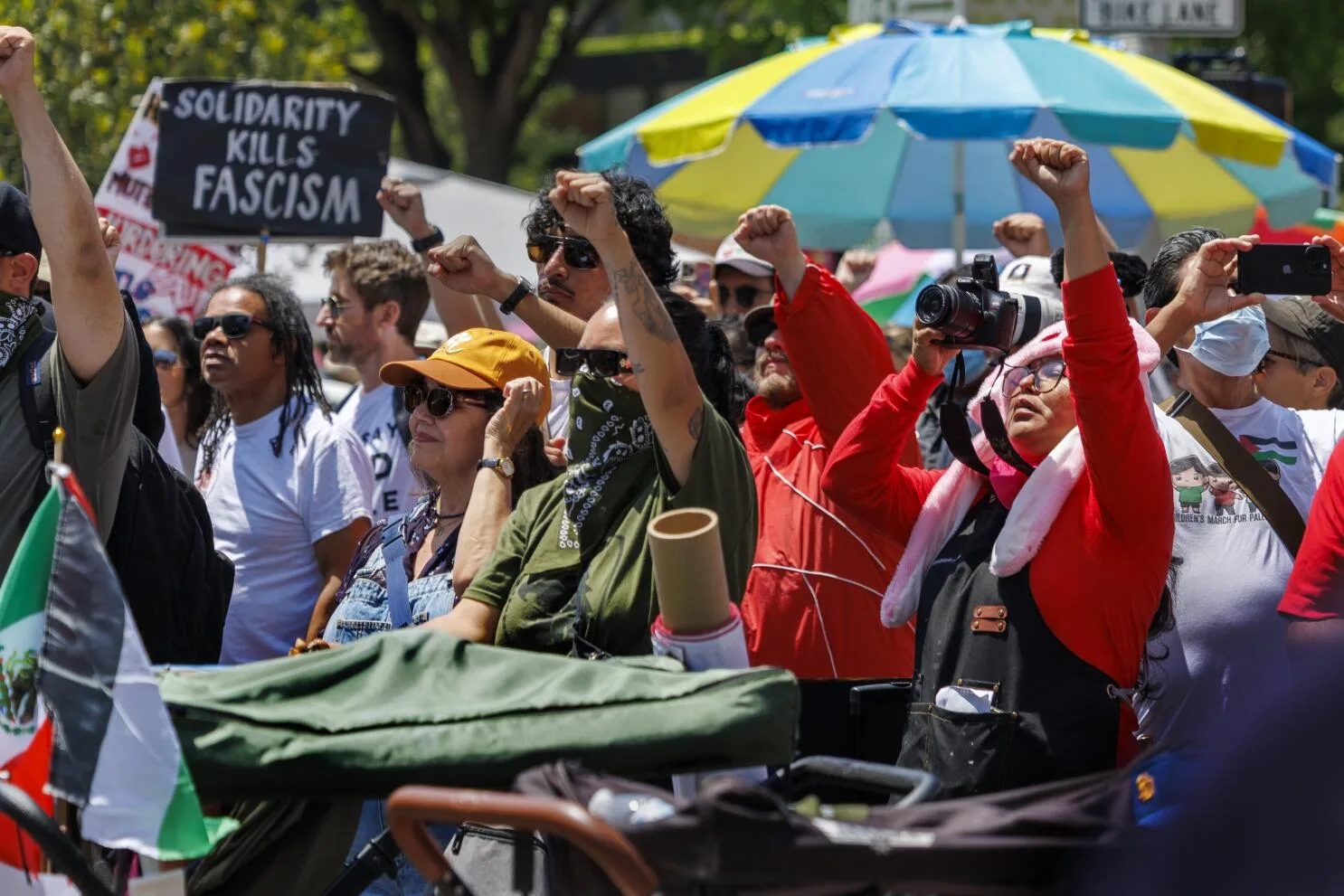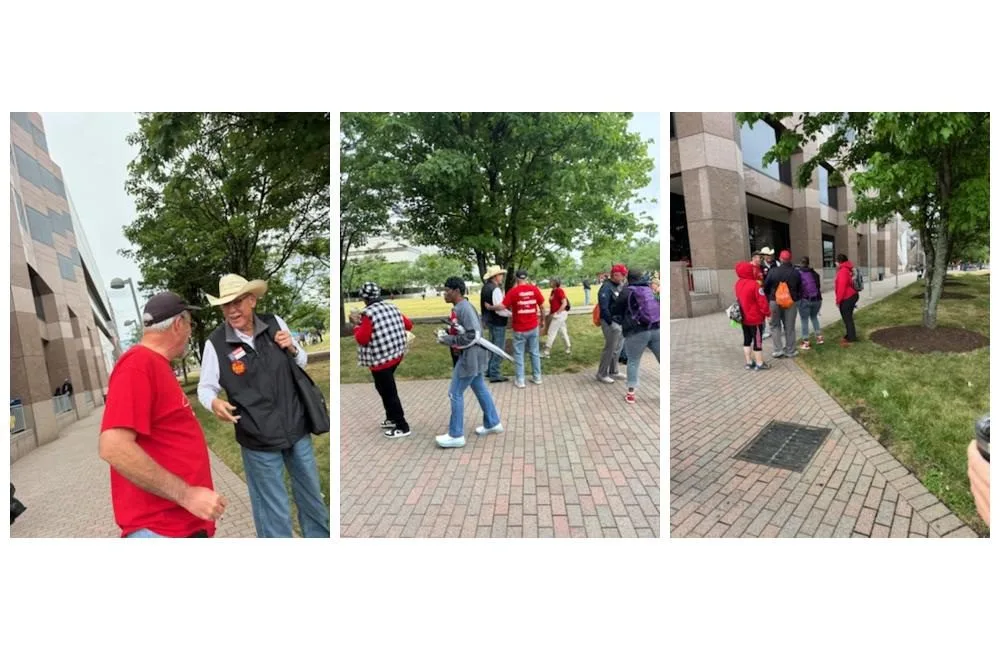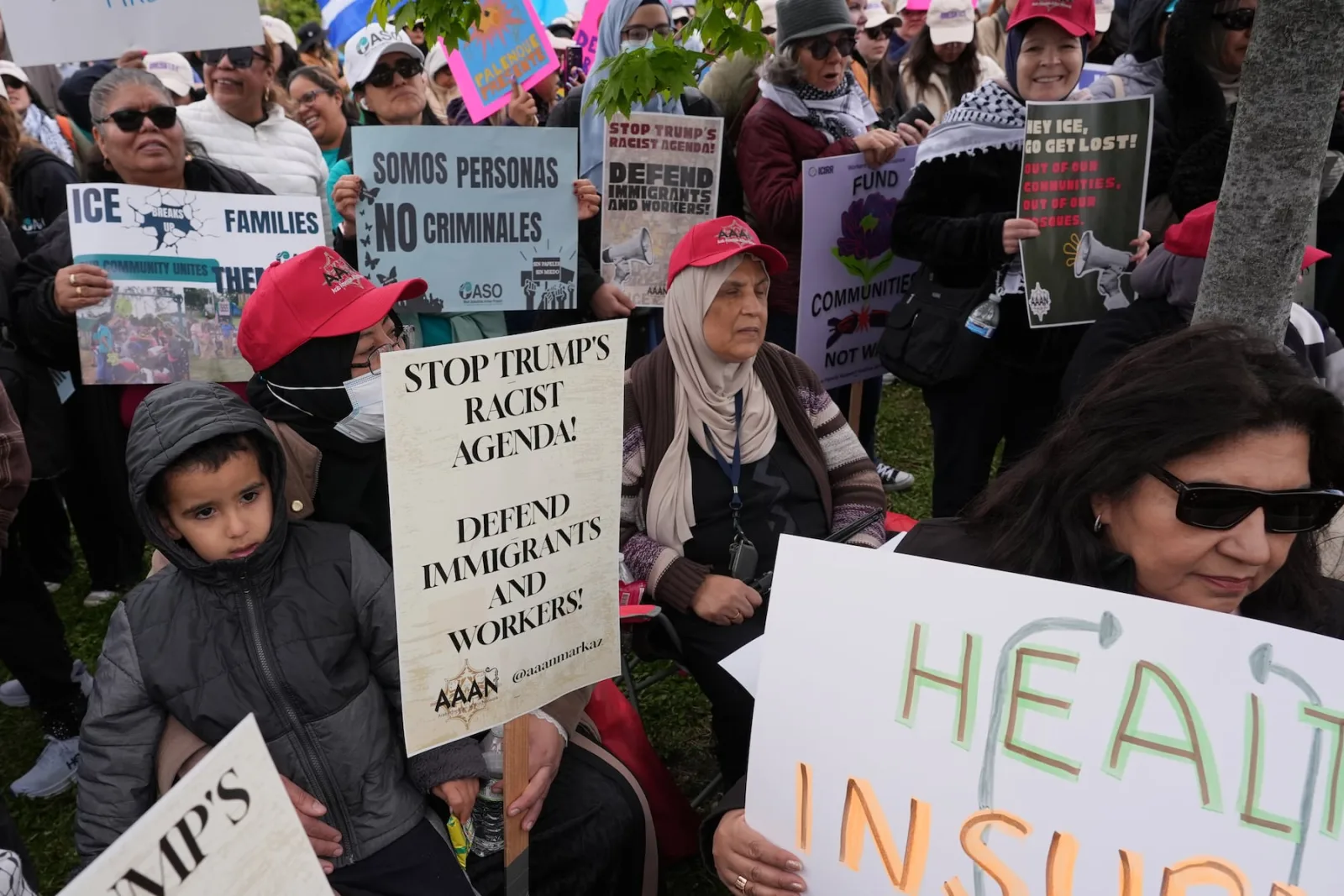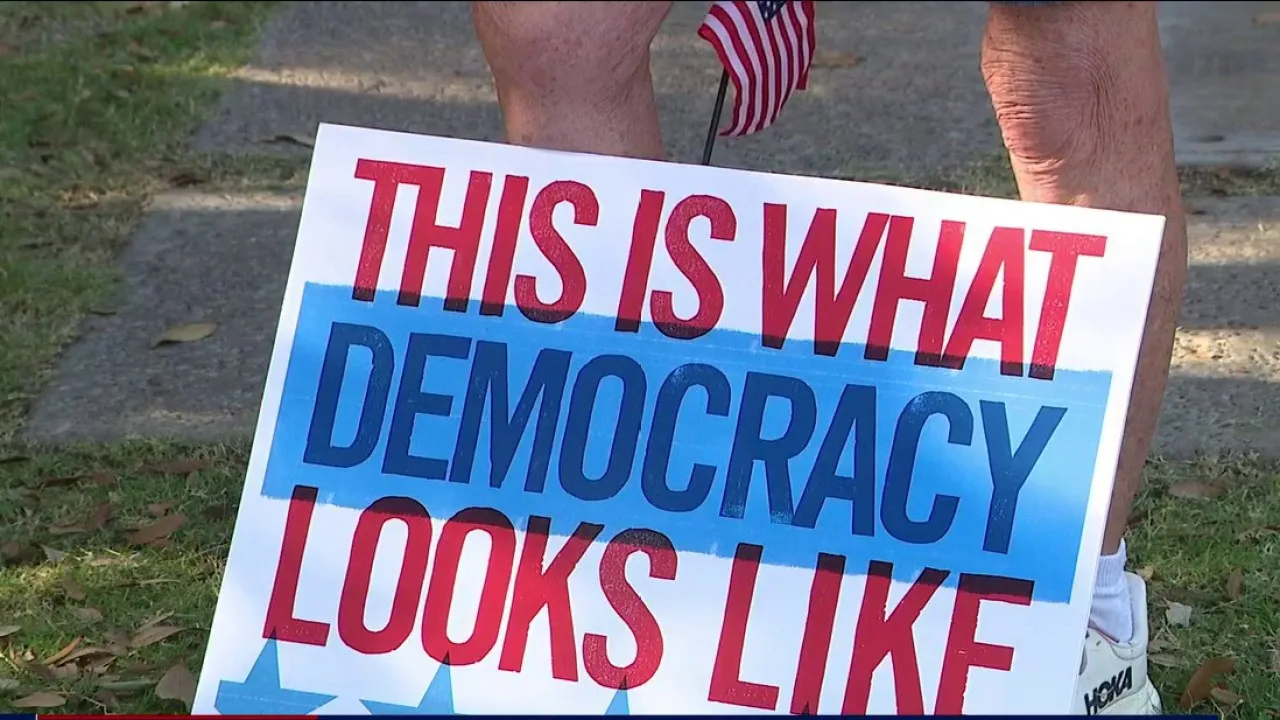
Demonstrators filled Phoenix streets on May 1 as part of coordinated May Day rallies held across the country, from Los Angeles to Chicago. The protests centered on workers' rights and economic grievances, with participants advancing a message that "working people are not the problem."
The May Day coalition issued three central demands: tax the wealthy, end Immigration and Customs Enforcement operations and U.S. military actions, and protect voting rights. As part of the organizing effort, activists called for a nationwide economic disruption by halting work, school attendance, and shopping on the day.

Alison Marciniak of Progress Arizona articulated the protesters' grievance with the current administration. "We're really just out here to send a message to Trump and the billionaire class that we aren't going to stand idly by while they take our rights away," she said.
The rally encompassed broader economic and policy concerns. Protesters voiced support for union organizing and workers' rights while criticizing what they characterized as a rigged economic system. They also called for the defense of public education, opposition to immigration enforcement policies, and greater accountability from elected officials.
Angelina Estrada of Power in Numbers emphasized the significance of collective action. "I think that it's beneficial as a collective that we need to unite together. And I want to be a part of that cause," she said.
Personal economic hardship motivated some participants. Gina Mendez of LUCHA described her mother's situation: "My mom is 68 years old, and she's a minimum wage worker. And for folks like my mom, you would think she would be able to retire. But she can't, you know, she can't afford to pay for her medicine, her home. And that's the reality for many people, like my mom."