

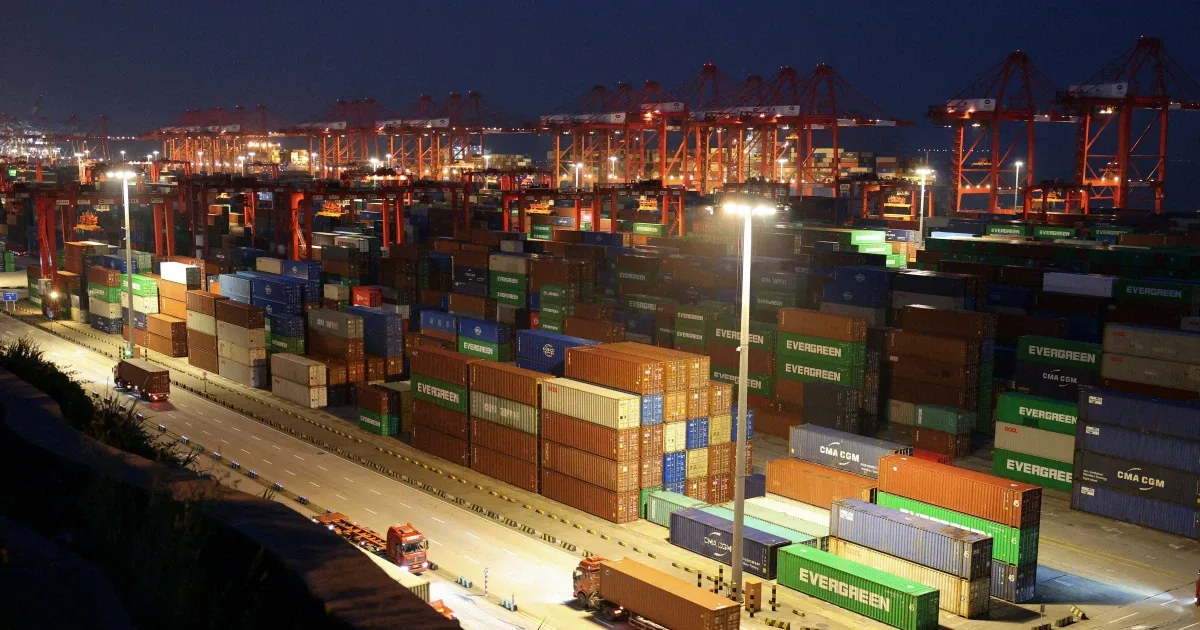
China’s export sector posted a strong rebound in June, with shipments rising 27% year-on-year in U.S. dollar terms, marking the fastest growth since 2021. This performance significantly exceeded economists’ forecasts and was accompanied by an unexpected 36% increase in imports, pushing the trade surplus higher than the previous month.
The export surge was largely fueled by robust foreign demand for semiconductors and AI-related technology equipment. This global surge in spending on chips and data-center gear helped offset weaker economic conditions in many major markets and uncertainties such as geopolitical tensions in the Middle East that continue to affect energy prices and trade stability.

However, the data revealed that the growth was partially driven by front-loading activities. Anticipating potential new tariffs later in the year, manufacturers accelerated shipments, particularly to the United States. Retailers also brought in inventory early to prepare for peak shopping seasons, such as Black Friday and Christmas, contributing to an atypical increase in export volumes.
Exports to key regions reflected this dynamic: shipments to the U.S. increased by approximately 14%, Southeast Asia by around 35%, and the European Union by 18.5%. The surge into Southeast Asian markets suggests Chinese exporters are actively diversifying their trade partners beyond traditional ones.
Despite this external resilience, domestic demand remains a concern. Economic growth slowed in the second quarter compared to earlier months, with analysts warning that the boost from front-loaded orders may wane in the coming months. This risk is compounded by persistent deflationary pressures, illustrated by a 3.6% year-on-year decline in producer prices in June, which continues to weigh on manufacturers despite higher export volumes.
The June trade figures underscore China’s reliance on foreign demand, especially from sectors connected to AI technology and tariff-related stockpiling. While this has provided a temporary lift, the broader challenge remains sustaining growth amid subdued consumer activity and uncertain global economic conditions.