

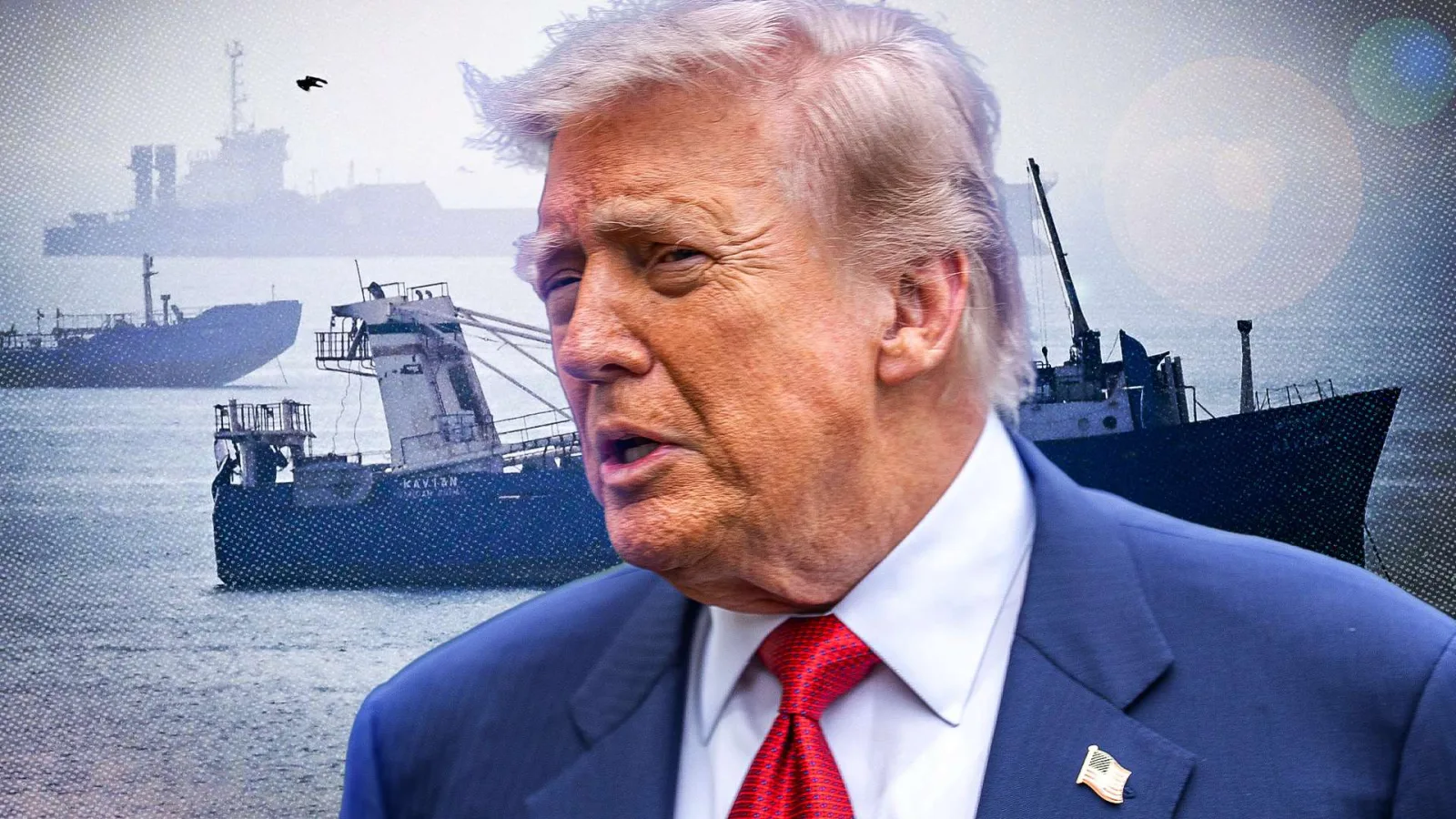
The U.S. Treasury’s Office of Foreign Assets Control (OFAC) recently sanctioned Iran’s Persian Gulf Strait Authority, prohibiting any transactions in U.S. dollars related to payments for passage through the Strait of Hormuz. This move targets Iran’s imposition of tolls on ships navigating one of the world’s most critical oil shipping lanes.
This sanction represents a notable shift in Washington’s traditional use of economic pressure. Typically, the U.S. government enforces sanctions to block foreign actors from accessing global financial channels. However, in this case, Iran has taken control of maritime traffic, charging tolls to vessels passing through the Strait while barring ships from countries it deems hostile and negotiating separate agreements with allied nations.

Since the escalation in regional hostilities earlier this year, including a U.S.-Israeli strike, the Iranian navy declared the Strait closed and began intercepting vessels, further asserting control. Instead of merely being a sanction target, Iran now wields economic leverage by forcing foreign businesses and governments to weigh their access to Iranian petrochemical exports against the risk of defying U.S. sanctions.
The U.S. Treasury has warned it will aggressively punish any entities that facilitate toll payments to Iran, enforcing this sanction with the same rigor applied to traditional embargoes. This dynamic places international companies and countries in a difficult position, balancing strategic alliances with commercial interests in energy markets.
Historically, U.S. sanctions have been effective because most global trade touches the U.S. financial system. However, countries have pushed back against these measures. The European Union adopted a "blocking statute" in the 1990s to protect its companies from compliance with U.S. extraterritorial sanctions, though enforcement proved weak. More recently, China enacted its own blocking law and has publicly defied U.S. sanctions by requiring refineries to maintain purchases of Iranian oil.
Iran’s toll on the Strait of Hormuz adds a new dimension to this contest. The country is using physical control over a strategic chokepoint to create economic friction, turning Washington’s sanctions paradigm on its head. This tactic pressures foreign states to choose between adherence to U.S. financial rules and uninterrupted access to vital energy supplies.
This development highlights the increasingly complex geopolitical and economic struggles playing out around global trade routes and energy security, as Iran exploits its geographic advantage amid international sanctions campaigns.