

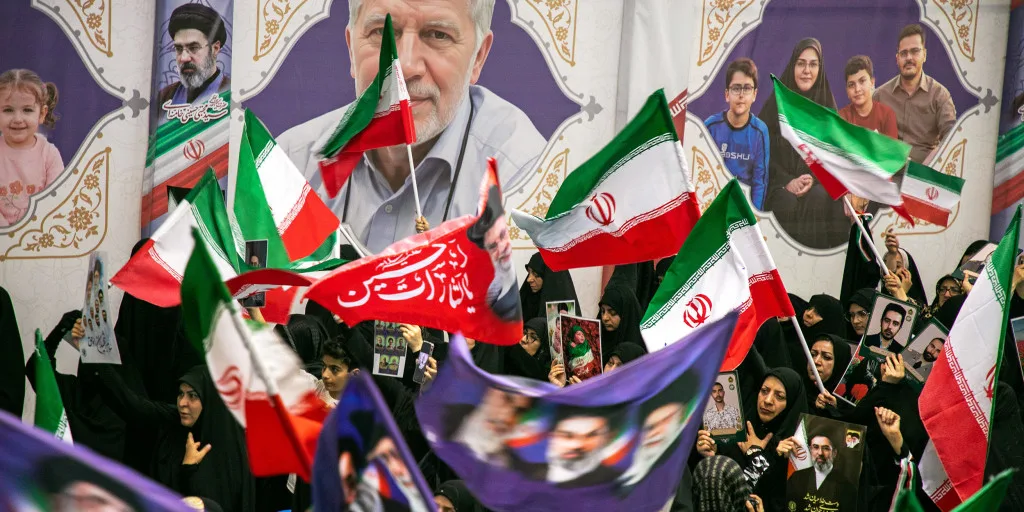
Iran tempered expectations for a swift resolution to its conflict with the United States, emphasizing that no deal to end the war is imminent despite ongoing talks and reported progress. While U.S. officials remain cautiously optimistic, Tehran maintained a measured stance on the timing and content of any agreement.
Negotiations have intensified with Iran’s lead envoys meeting in Qatar, a key diplomatic hub in efforts to restore peace and reopen the vital Strait of Hormuz, a crucial global shipping route. The U.S. expressed confidence that a solid agreement is on the table but reiterated that any deal must be satisfactory rather than rushed.

During an official visit to India, U.S. Secretary of State Marco Rubio stressed that Washington would pursue diplomacy thoroughly before considering other options, underscoring President Donald Trump’s insistence on avoiding a “bad deal.” Trump paralleled this approach on social media, asserting the potential agreement will either be significant or not happen at all.
Iranian Foreign Ministry spokesman Esmail Baghaei confirmed that while several key points have been tentatively agreed upon, the negotiations currently focus on ending hostilities rather than discussing nuclear specifics. He also noted that the management of the Strait of Hormuz remains unresolved and should be handled by its bordering countries.
Meanwhile, U.S. lawmakers expressed skepticism about emerging details of a possible memorandum of understanding, warning it could be detrimental. President Trump responded by criticizing his political opponents who doubt the deal’s prospects.
The Strait of Hormuz has been effectively blocked by Tehran, disrupting oil markets worldwide. Nonetheless, optimism about the negotiations contributed to a notable drop in global oil prices and a slight decline in U.S. gasoline prices, reflecting tentative hope for stability.