

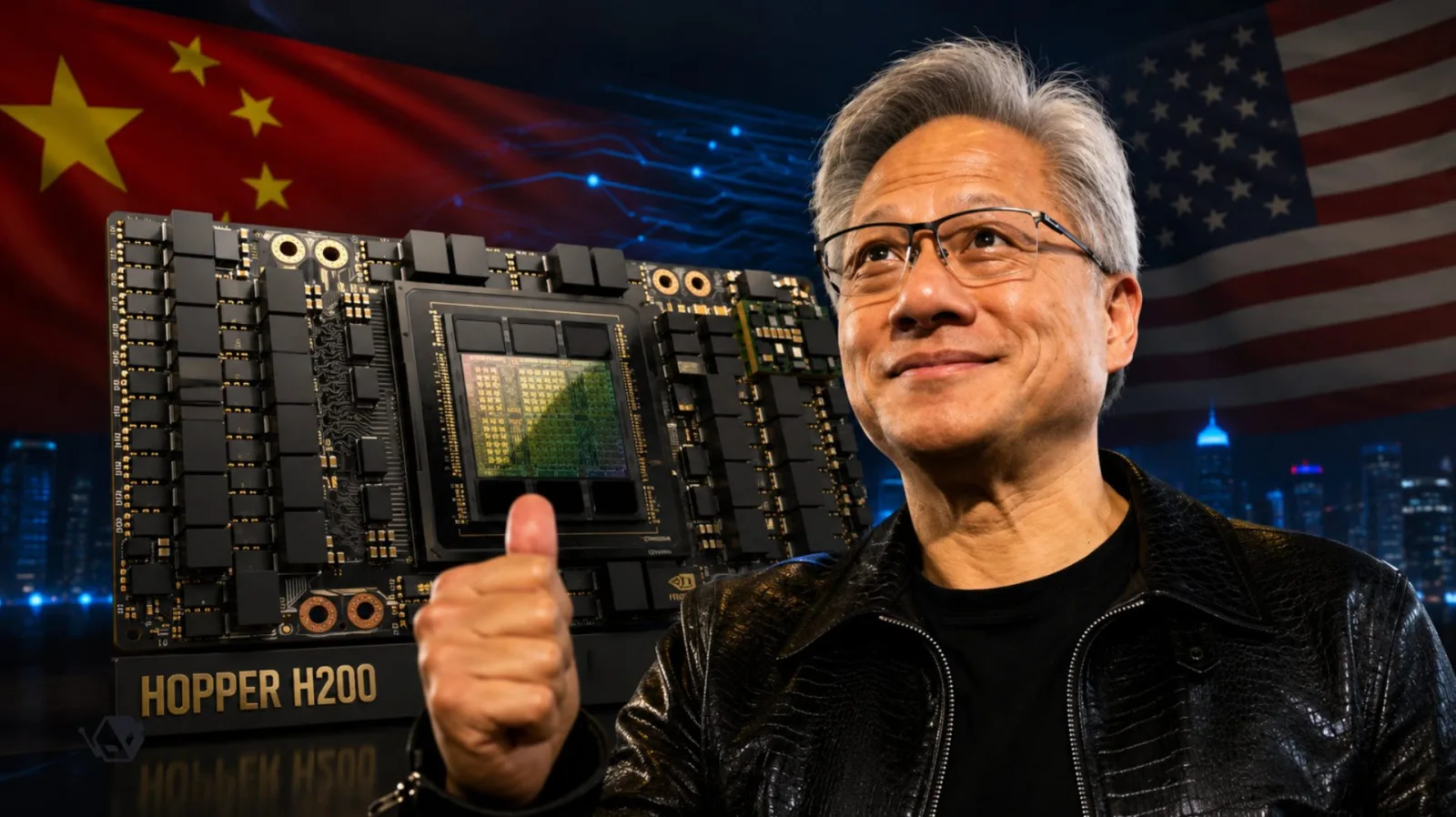
NVIDIA has intensified efforts to prevent its advanced AI GPUs from reaching China, collaborating closely with the US government to enforce export restrictions. Recent investigations by Taiwanese authorities have uncovered attempts to funnel these chips through regional intermediaries, prompting NVIDIA to strengthen its compliance measures.
Authorities in Taiwan recently raided companies involved in shipping NVIDIA products to China, spotlighting a network of "pass-through" entities repackaging and redirecting the chips despite US sanctions. One targeted firm, Super Micro, asserted its cooperation with legal authorities to ensure its products complied with export laws amid ongoing scrutiny and legal actions by US prosecutors.

According to industry insiders cited by the Financial Times, China is facing a shortage of high-end NVIDIA GPUs such as the H200, with significant sales now unlikely due to the tightened controls. NVIDIA has responded by doubling down on customer vetting, increasing on-site visits, and conducting thorough interviews to verify genuine business operations, particularly in Asian markets like Singapore, Malaysia, and Japan. These moves have reduced the company’s Asian customer base by roughly half.
While Chinese companies have reportedly requested exemptions to import some NVIDIA chips, Beijing remains cautious. Despite NVIDIA designing the H200 GPU to meet specific Chinese standards, Chinese authorities have largely blocked local firms from acquiring these modified versions. This stance aligns with China's broader push to foster domestic technology and reduce dependence on foreign suppliers.
These developments reflect broader US efforts to enforce semiconductor export controls and curb technology transfers that could bolster China's AI capabilities. The Commerce Department is actively involved in these compliance initiatives, aiming to close loopholes exploited by intermediaries and maintain the effectiveness of sanctions.