

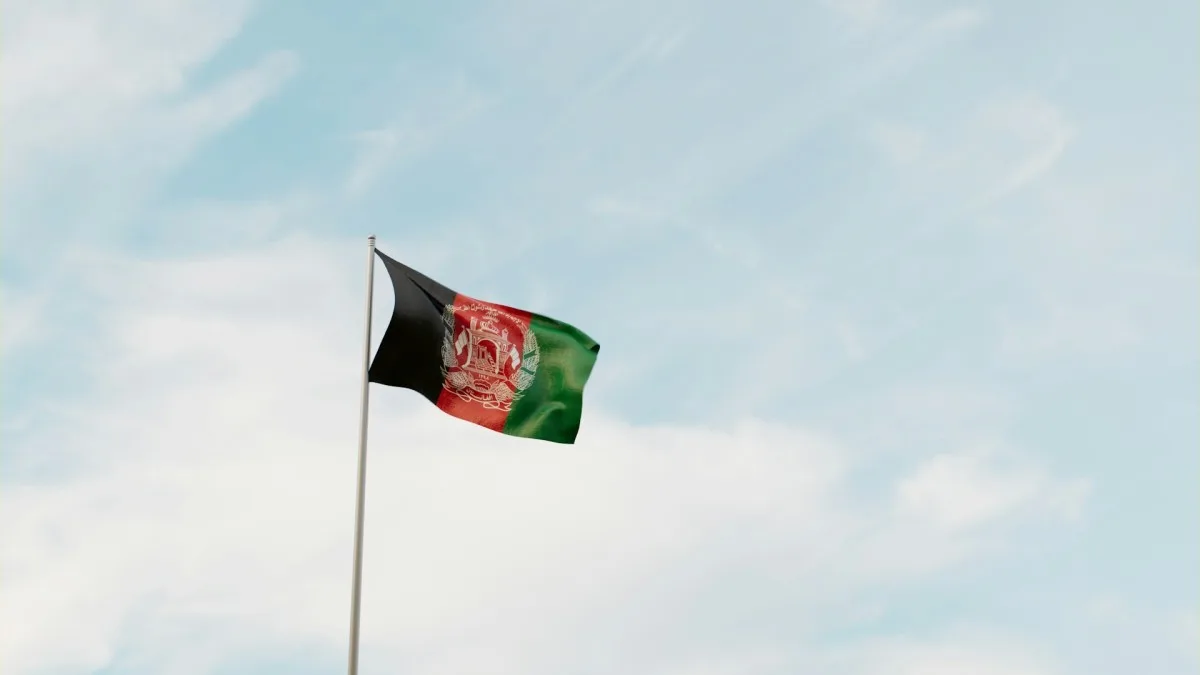
Russia and Afghanistan’s Taliban government have cemented a military cooperation agreement, signaling an advance in their bilateral security relationship. Signed at a security forum near Moscow by Sergei Shoigu, Russia’s Security Council secretary, and the Taliban’s defense minister, Mohammad Yaqub, the pact's specific provisions remain undisclosed, leaving analysts uncertain about the depth of military collaboration it entails.
Experts suggest that the agreement will likely concentrate on practical measures such as training, maintenance, intelligence sharing, and security coordination rather than large-scale arms transfers. This assessment takes into account Russia’s current economic strains and commitments in other conflict zones, which limit its capacity to provide extensive military aid. Analysts noted that the Taliban’s limited financial resources further reduce the likelihood of significant arms purchases from Moscow.

The shared concern about the Islamic State Khorasan (IS-K), a destabilizing force across Afghanistan and Central Asia, forms a key backdrop for this partnership. Russia's interest in maintaining regional stability, particularly in its neighboring Central Asian states, motivates its openness to closer security ties with the Taliban. The Kremlin’s recognition of the Taliban government in 2025 stands out as a singular diplomatic move compared to other countries that engage with the Taliban economically but withhold formal recognition.
Since the Taliban's return to power in 2021, Russia has positioned itself as a primary interlocutor on Afghan security issues, hosting multiple Taliban delegations and emphasizing diplomatic engagement. However, the ongoing strain from Western sanctions and military commitments reduce Moscow's ability to commit beyond technical and advisory cooperation.
Observers describe the agreement more as a symbolic political signal than a sign of immediate military support. This reflects Russia's current constraints and strategic calculations in a complex regional environment marked by multiple security challenges.