

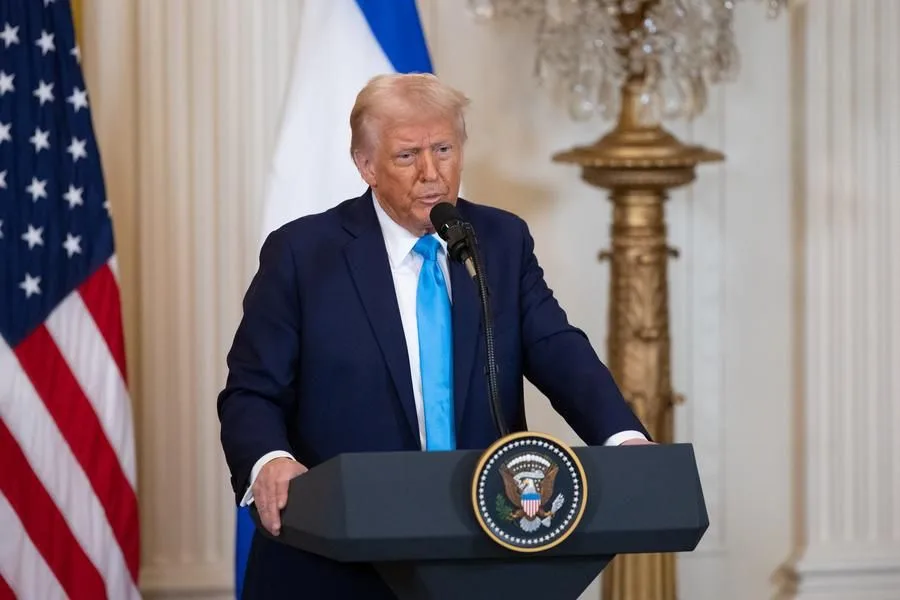
President Donald Trump paused his decision on a proposed agreement with Iran after a two-hour meeting at the White House Situation Room, leaving the fate of the deal uncertain. The proposal focuses on extending the current ceasefire and initiating talks on Tehran’s nuclear program, with no final determination announced following the discussions.
The terms under consideration include reopening the Strait of Hormuz, removing naval mines, preventing Iran from developing nuclear weapons, and granting the U.S. authority to dismantle or confiscate highly enriched uranium stocks. Although Trump had set clear conditions prior to the meeting, the White House refrained from confirming any agreement after the session concluded.

Negotiations remain complex, with Iranian officials emphasizing ongoing dialogue but denying that a memorandum of understanding has been finalized. Internal resistance from hard-line factions in Tehran and disputes over U.S. demands continue to stall progress. Both sides appear committed to continued talks, balancing Iranian demands for the release of frozen assets and relief from sanctions against U.S. insistence on nuclear and security safeguards.
The Strait of Hormuz serves as a critical focus of the negotiations given that roughly 20 percent of the world’s oil supply passes through this strategic channel. Recent incidents, such as warning shots fired by Iran’s Revolutionary Guard Navy at vessels near the strait, highlight regional tensions. International agencies, including the International Energy Agency and the International Monetary Fund, have warned that disruptions in this waterway could threaten fuel security and economic stability worldwide.