

The United States and Iran are reportedly close to reaching a deal aimed at ending ongoing conflict and reopening the strategically critical Strait of Hormuz, according to regional officials familiar with the negotiations. The agreement would require Iran to give up its stockpile of highly enriched uranium, a central demand from the US, while the timing and finer details of the arrangement remain under discussion.
US President Donald Trump acknowledged that the deal is “largely negotiated” and emphasized a cautious approach, instructing his representatives to avoid rushing as “time is on our side.” He described the evolving US-Iran relationship as becoming more “professional and productive” and confirmed that the current blockade on Iranian ports will continue until the agreement is formally reached and certified.

The reopening of the Strait of Hormuz was highlighted as a key outcome that could relieve a global energy crisis triggered by its closure in response to recent US and Israeli airstrikes on Iranian targets. The blockade and closure have driven up prices worldwide for oil, gas, and related products, impacting the global economy. Experts caution that it could take several weeks or months for shipping routes and energy prices to return to their pre-conflict levels.
Two regional sources who spoke anonymously detailed that Iran's relinquishment of its highly enriched uranium stockpile would involve a phased process expected to take around 60 days. Part of the uranium might be diluted to lower enrichment levels, while the remainder could be transferred to a third country, with Russia reportedly volunteering to accept the material.
Despite these developments, Iran has not formally agreed to surrender its uranium. Iranian officials maintain that their nuclear program is peaceful and have rejected claims it aims to develop nuclear weapons. Iran’s embassy in India reaffirmed Tehran’s “inalienable” right to nuclear technology in response to comments from US officials signalling progress in preventing Iran from acquiring nuclear weapons.
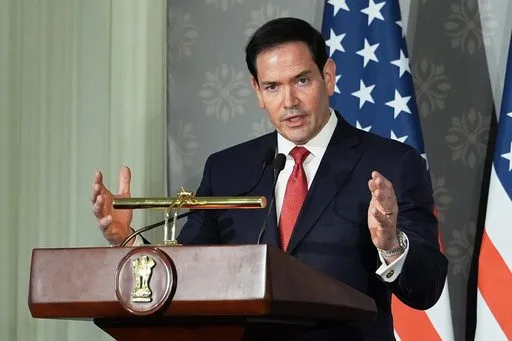
US Secretary of State Marco Rubio, while visiting India, qualified the negotiation’s status as “significant progress” but stopped short of declaring a final resolution. Iran’s President has also publicly stated their aim not to pursue nuclear arms, underscoring the complex balance of security assurances and sovereignty concerns shaping the talks.