

The US Federal Communications Commission (FCC) has broadened its restrictions on foreign technology by banning imports of certain advanced robotic devices and power inverters. This move aims to safeguard the nation’s AI infrastructure and critical industries from potential cybersecurity threats linked to foreign-made equipment. The update extends the existing Covered List, originally focused on limiting Chinese tech giants like Huawei over espionage fears.
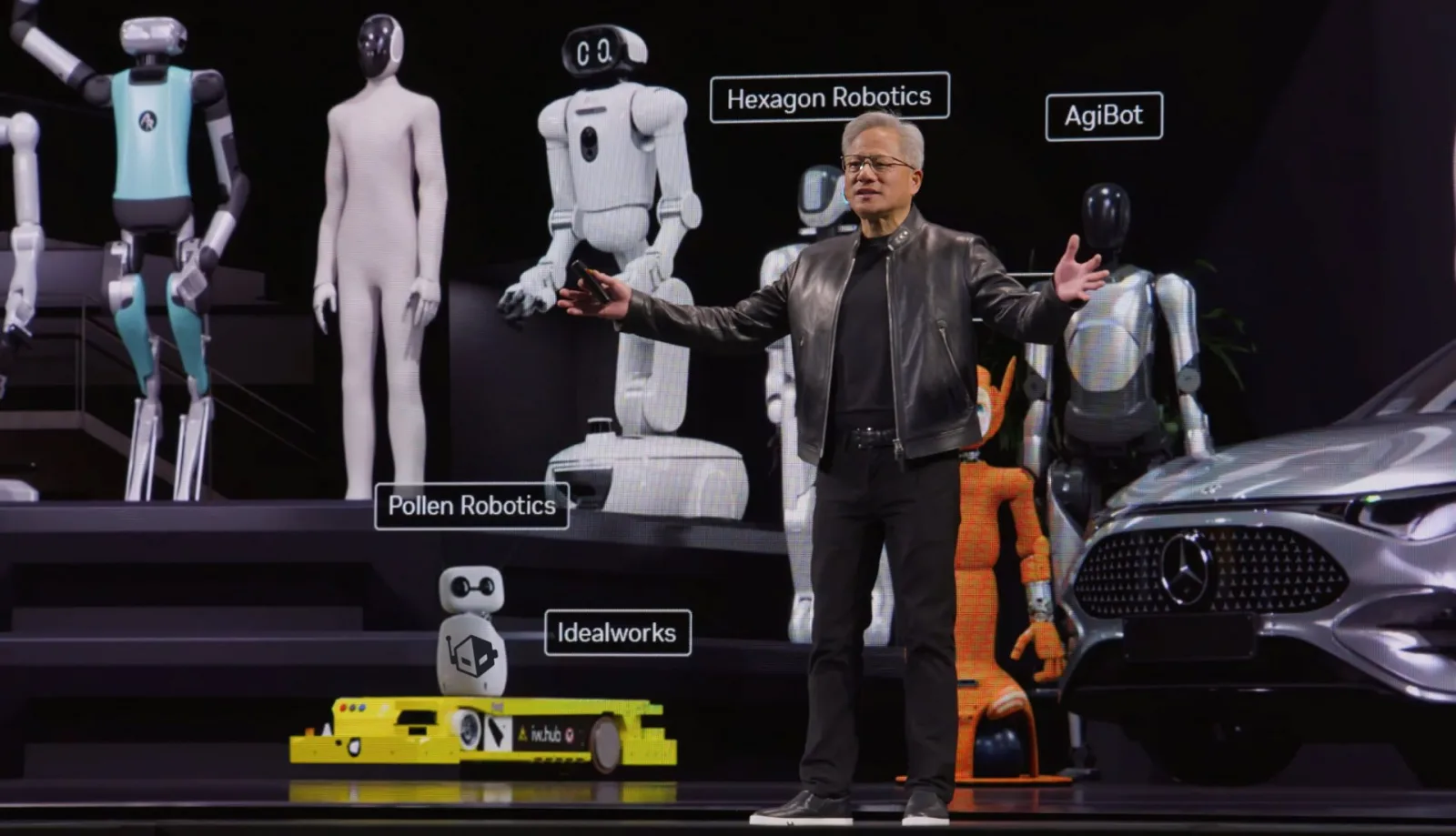
The FCC’s expanded blacklist now includes mobile robots, humanoid robots, and connected power inverters produced outside the US. Although China is not named explicitly, the measure targets technology that could expose American economic and national security to vulnerabilities. A White House-convened interagency panel highlighted how these foreign-made systems might permit malign actors to conduct surveillance, remotely commandeer devices, or disrupt critical infrastructure through cyberexploitation.

Among those most affected is Unitree, a Chinese robotics company known for developing AI-powered humanoid robots that leverage NVIDIA’s GPUs. Reuters reported that Unitree’s robotic units face significant impact from the ban, given their widespread use and previously identified security flaws. In 2025, vulnerabilities in Unitree’s robot dogs allowed unauthorized remote access to live camera feeds and microphones, as well as mapping of consumers’ homes. Although Unitree resolved the issues and attributed faults to a third-party control service, the incident underscored persistent security concerns.
The FCC’s National Security Determination emphasizes that these advanced robotic devices, if compromised, could collect sensitive American data or enhance the surveillance capabilities of foreign intelligence agencies. Similarly, connected power inverters with remote connectivity features pose risks of unauthorized shutdowns or data exfiltration by foreign entities through cyberattacks.
- The ban covers new robotic and inverter products entering the US market, not previously imported equipment.
- Covered robotic systems include those capable of autonomous mobility and humanoid interaction.
- Power inverters with remote control functionality are restricted due to potential cybersecurity exploitation.
This regulatory move signals a tightening of US technology import policies as the government seeks to protect domestic AI development and broader technological infrastructure against foreign cyber threats and espionage. It also reflects growing concerns over supply chain integrity within emerging high-tech sectors vital to national security.