

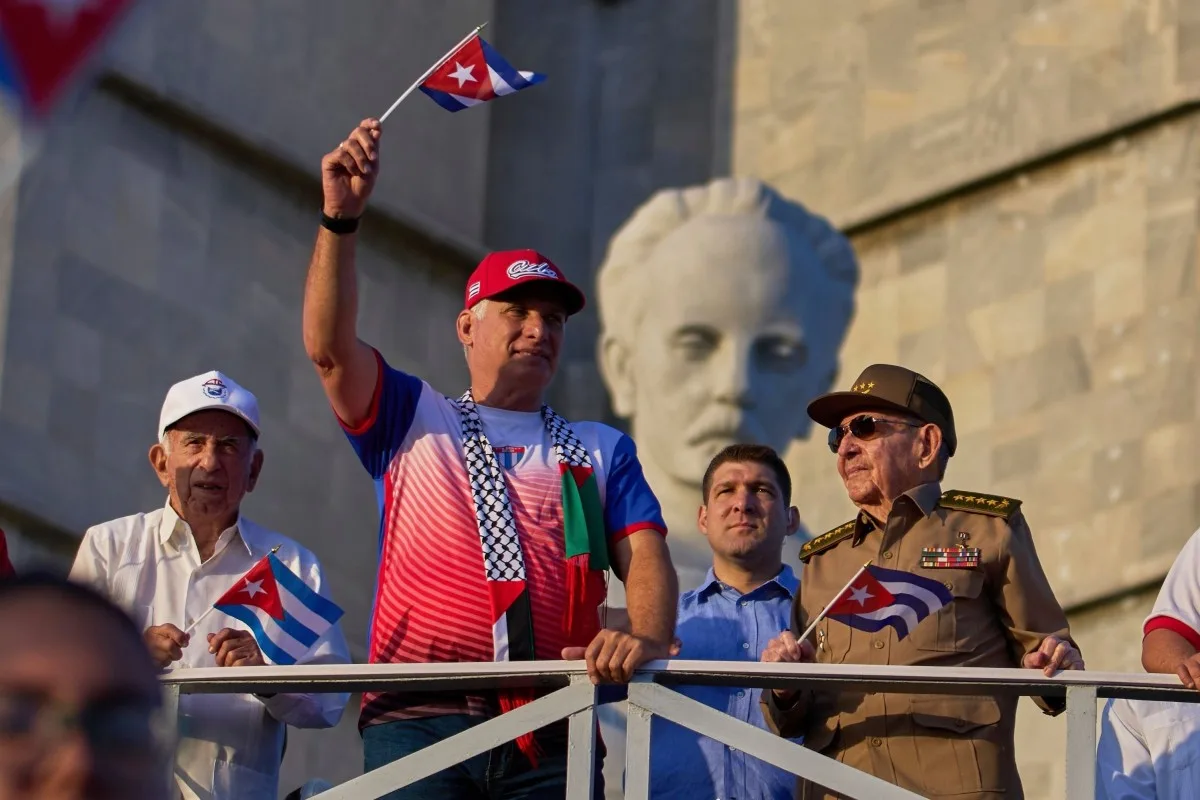
The United States expanded its sanctions against Cuba by placing restrictions on President Miguel Díaz-Canel and several high-ranking officials, along with multiple Cuban institutions, including the Ministry of the Revolutionary Armed Forces.
These latest sanctions, announced by the US Treasury, follow an earlier wave that targeted eleven Cuban officials such as the communications minister and leaders within the military and intelligence agencies. The move is part of a broader effort to increase pressure on Cuba’s communist government.

Cuba’s foreign minister publicly condemned the sanctions, describing them as a threat to the country’s independence and sovereignty and accusing the US of pursuing an interventionist strategy designed to depict Cuba as a national security risk. He vowed that Cuba would respond with heightened unity and resolve.
President Trump confirmed that these sanctions are intended to hasten Cuba’s collapse, which he suggested was already underway. However, he indicated that the US would prioritize its ongoing conflict with Iran before shifting full focus to Cuba. His administration’s hardline stance has included repeated threats of military action against Cuba since earlier this year.