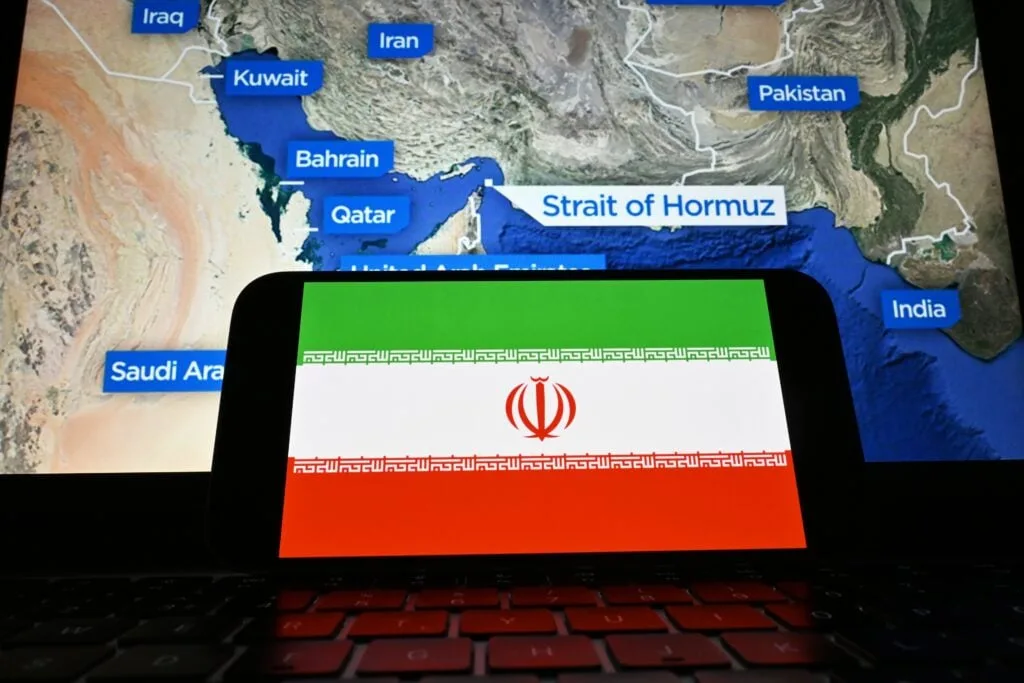
The national average price of gasoline reached $4.43 per gallon on Thursday as oil briefly spiked to $126 a barrel, its highest level since the onset of the Iran conflict. The surge reflects mounting concerns about potential disruptions to global energy supplies stemming from uncertainty over the Strait of Hormuz, a critical passageway for international oil transport.
According to The Kobeissi Letter, the price increase translates to roughly $90 billion in additional annual spending for American consumers compared to gasoline priced at $3 per gallon. Regional variations underscore the broader strain on fuel costs: California's regular gasoline average reached $6.088 per gallon as of Saturday, approaching its all-time high of $6.438 from June 2022, while diesel climbed to $7.508 per gallon.

The escalating oil prices reflect deepening uncertainty over U.S.-Iran negotiations. President Donald Trump said Saturday he was reviewing a new Iranian proposal while nuclear talks remained stalled, after rejecting Tehran's earlier offer Friday for failing to meet American demands. The unresolved status of the Strait of Hormuz has prompted warnings from energy sector leaders. Ahmed Moghal, Chief Financial Officer at Baker Hughes Co., cautioned that the strait could remain shut through the second half of 2026. Nearly 80% of oil executives surveyed by the Dallas Federal Reserve agreed with this assessment.
The Federal Reserve this week kept interest rates unchanged while acknowledging that inflation remains elevated, citing surging global energy prices as a contributing factor. Joseph Brusuelas, Chief Economist at RSM, warned that the Fed could raise rates as soon as June rather than cutting them, given the supply shock and the likelihood that regional tensions will persist.
Energy disruptions are rippling across other economic sectors. Patrick De Haan of GasBuddy warned that if the Strait of Hormuz remains closed, Americans may alter their summer travel plans, potentially damaging airlines, cruise operators, and online travel services. Spirit Airlines' CEO attributed the carrier's struggling recovery to surging jet fuel costs driven by the Iran conflict, though Transportation Secretary Sean Duffy characterized the airline's difficulties as self-inflicted.