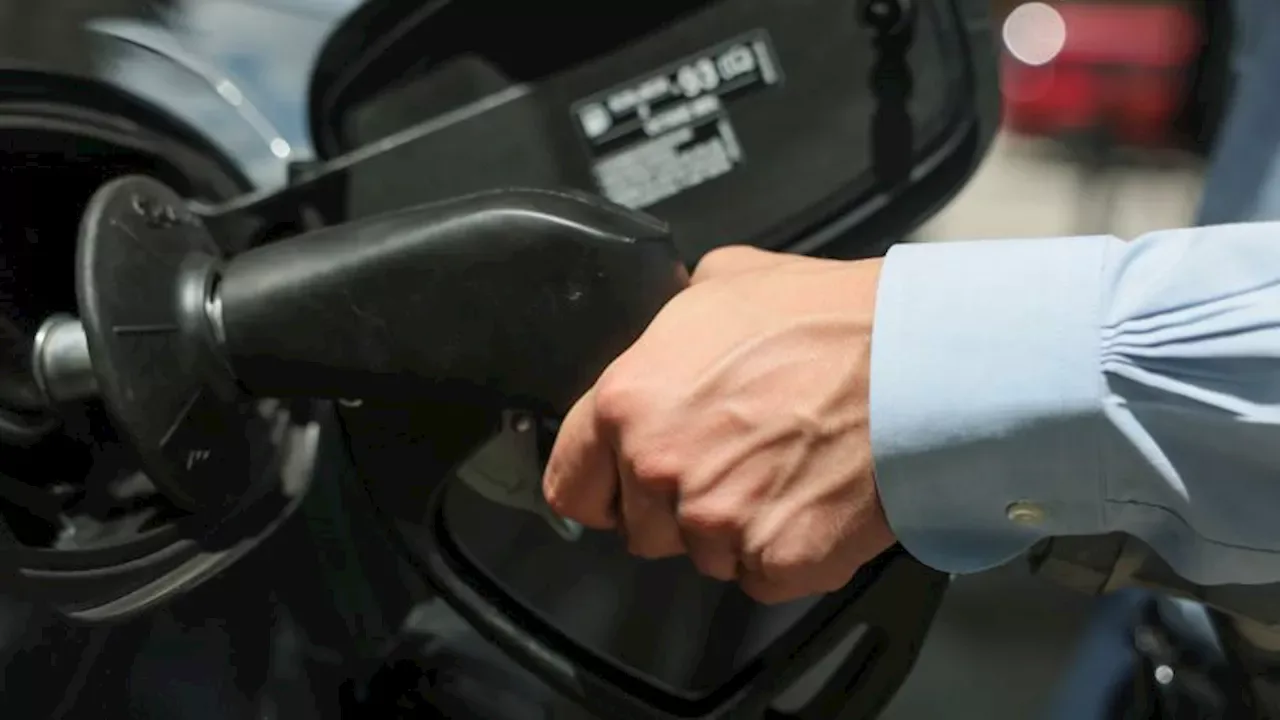
The Trump administration faces mounting economic headwinds as gas prices surge across the country, driven by tensions surrounding the Strait of Hormuz and strained relations with Iran. The national average for regular gasoline reached $4.42 per gallon as of the article's writing, with particularly sharp increases in several states. Indiana saw a jump of $1.09 per gallon, Ohio $0.94, and Michigan $0.88, according to data from Gas Buddy's petroleum analysis division.
A critical divergence exists between financial markets and physical oil supply conditions. While investors have speculated on eventual resolution of Middle East tensions—bidding down paper oil prices—traders dealing in actual crude supplies face tightening inventory. Energy strategists warn that the physical market reflects genuine scarcity. With the Strait of Hormuz restricted, existing oil supplies grow tighter daily, driving real-world prices upward regardless of market sentiment about future peace.

The administration has downplayed the situation. Energy Secretary Chris Wright told Congress that gas prices peaked in mid-April, claiming prices remained cheaper than peaks during the Biden years. However, the national average has continued climbing, reaching its highest level since July 2022. The gap between stated policy expectations and market reality has widened considerably.
Leading economic analysts now attach timelines to potential outcomes. Mohamed El-Erian, former CEO of Pimco, told Fortune that the global economy could avoid recession only if the strait reopens within four to eight weeks. Absent that resolution, El-Erian suggested fundamentally different economic consequences would follow.
The president has repeatedly claimed resolution is imminent. He told Congress that hostilities have terminated before a self-imposed 60-day deadline, yet simultaneously expressed dissatisfaction with Iranian proposals. Traders and investors have begun using the acronym "NACHO"—Not A Change Hormuz Opens—to describe their skepticism of these claims.
Iran's strategic position remains firm. Control of the strait provides leverage exceeding even nuclear capability, analysts argue, giving Iranian leadership incentive to maintain restrictions as long as high prices serve their geopolitical interests. The Iranian government has shown itself more willing than the American president to maintain its stated position.
Political pressure is mounting domestically. Fifty-five percent of Republican voters now blame Trump for elevated gas prices, representing the highest intra-party blame directed at a president for fuel costs, according to political analyst Harry Enten. As summer approaches and prices typically rise further, disapproval is expected to climb alongside costs.