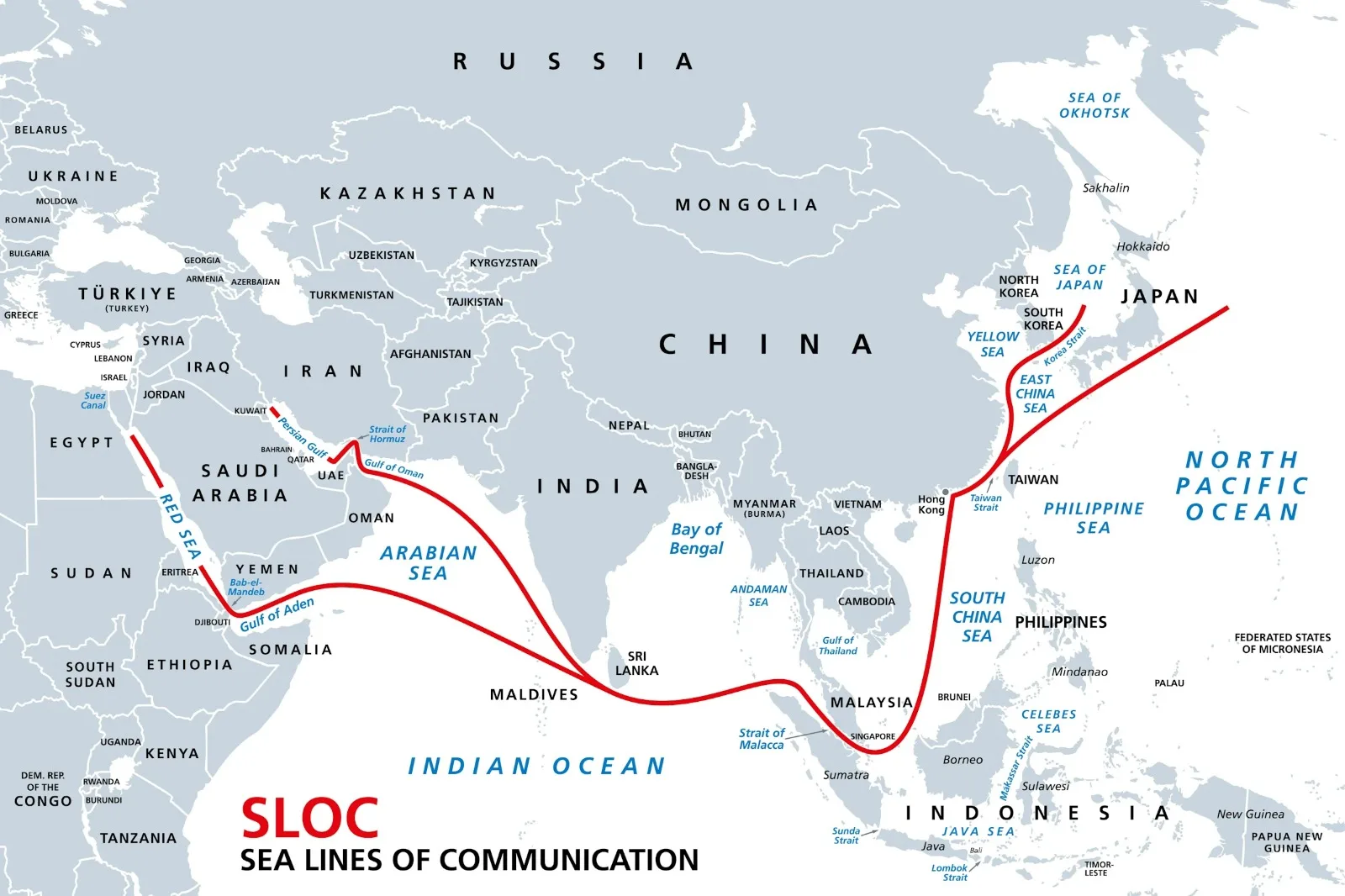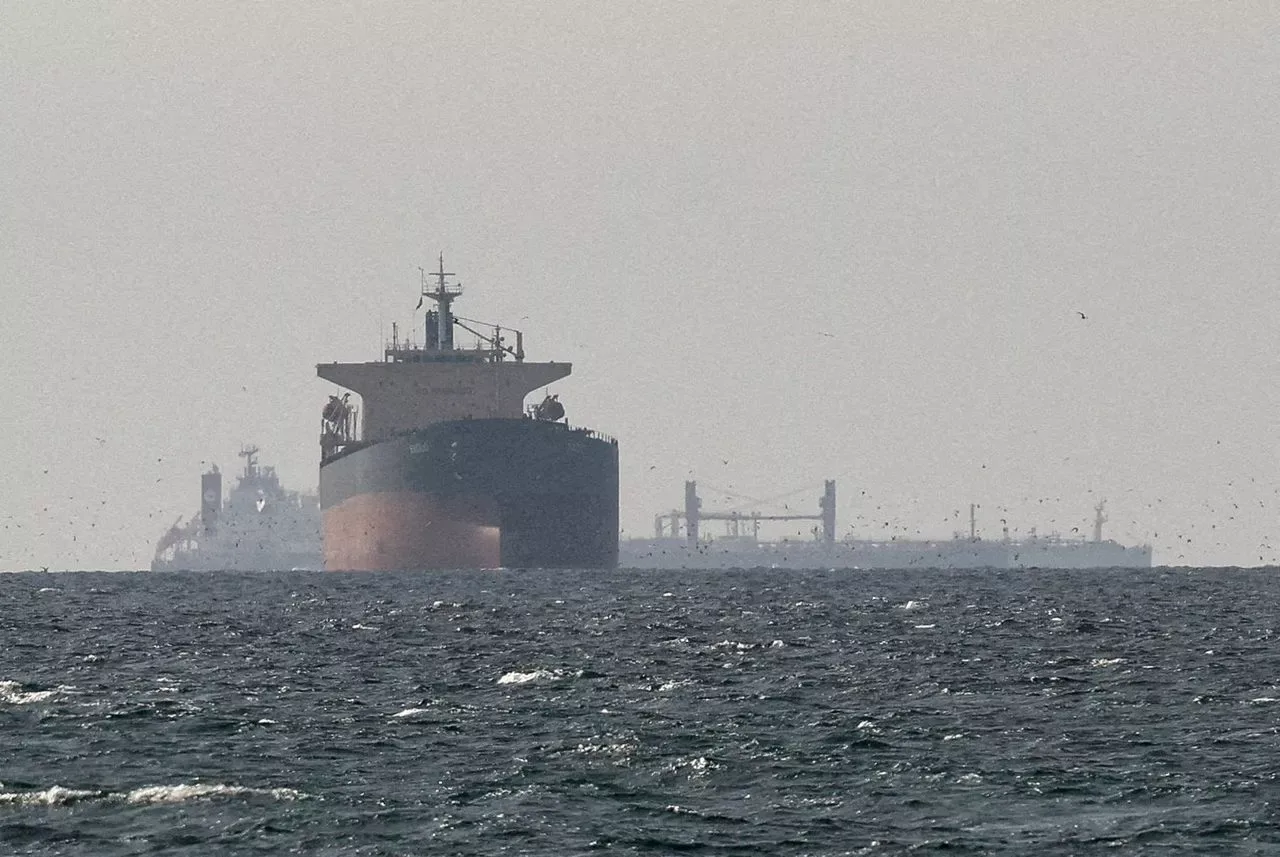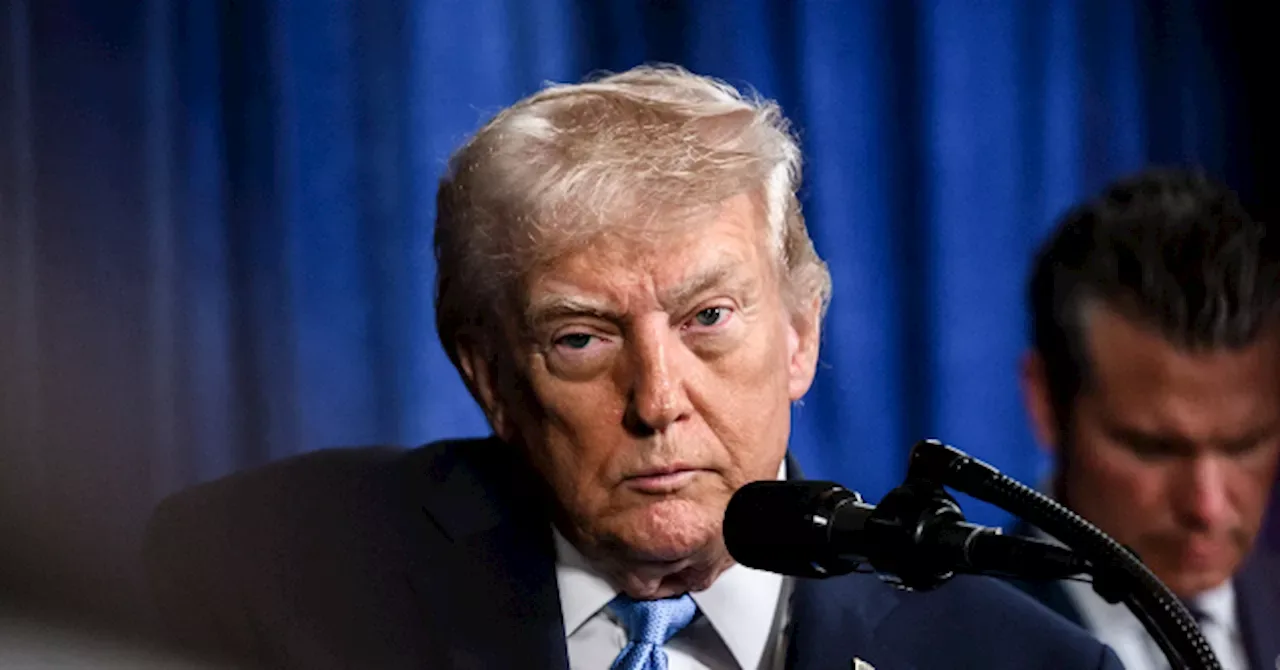
President Donald Trump declared on Wednesday that the United States will maintain its naval blockade of Iran until the regime agrees to a deal preventing it from acquiring nuclear weapons. Trump rejected a Tehran proposal that would have involved reopening the Strait of Hormuz and easing the blockade before addressing nuclear issues, making clear the pressure campaign will continue until Iran meets U.S. conditions.
Trump characterized the blockade as more effective than direct military action in compelling Tehran toward concessions. "The blockade is somewhat more effective than the bombing," he said, describing Iran as "choking like a stuffed pig" under mounting pressure. He argued that Iran's oil system faces increasing strain as exports remain blocked and the regime's infrastructure approaches critical limits.

Speaking to reporters at the White House, Trump said negotiations are continuing primarily through phone calls rather than in-person meetings, but indicated Tehran has not made sufficient progress. "They've come a long way," he said. "The question is whether or not they're going to go far enough." He emphasized that no nuclear weapons agreement would be finalized unless Iran agrees to abandon its nuclear program entirely.
In a Wednesday post on Truth Social, Trump escalated his rhetoric, stating Iran "can't get their act together" and warning "No more Mr. Nice Guy," signaling a harder negotiating stance. He praised the naval blockade as "genius" and "100% foolproof," crediting the U.S. Navy with enforcing the campaign.
The blockade operates alongside additional financial measures. On Tuesday, the U.S. Department of the Treasury imposed sanctions against 35 entities connected to Iran's "shadow banking" network, which officials say facilitates tens of billions of dollars in illicit oil revenue supporting the regime's military and proxy operations. Treasury Secretary Scott Bessent warned financial institutions against engaging with the sanctioned entities, stating the networks allow Iran's armed forces to access the international financial system.
Officials assert the combined effect of the blockade and financial measures is creating severe bottlenecks for Iran's oil exports, with storage capacity at key terminals nearing limits and revenue flows increasingly constrained. According to reporting by Axios, U.S. Central Command has prepared contingency plans for strikes targeting Iranian infrastructure should diplomatic deadlock continue, though Trump has not authorized military action.
Iranian officials have demanded that the blockade be lifted before substantive nuclear negotiations can occur—a position Trump firmly rejected. Press TV quoted Iranian officials as saying the naval blockade "will soon be met with practical and unprecedented action," with Iranian armed forces believing "patience has limits" after allowing time for diplomacy to proceed.