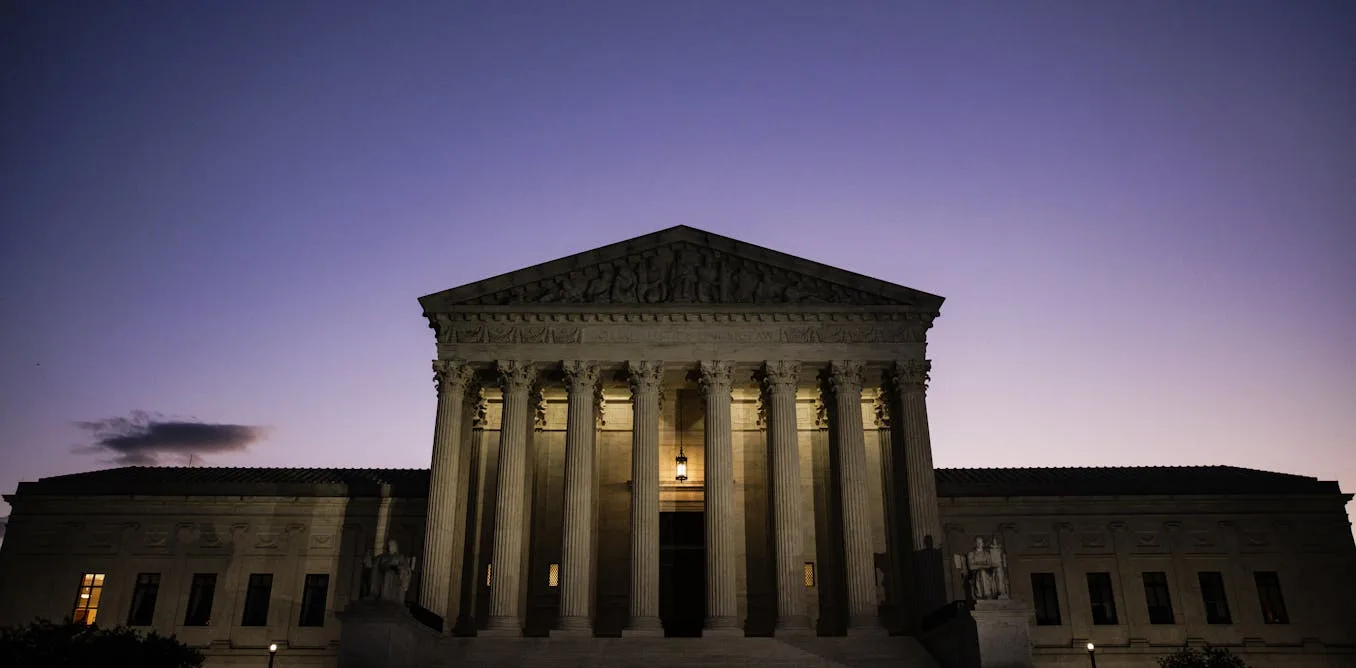
The Supreme Court issued a significant decision on April 29, 2006, that severely weakens Section 2 of the landmark Voting Rights Act of 1965. Divided along ideological lines, the court's conservative majority ruled in Louisiana v. Callais that a Louisiana voting district drawn to consolidate Black voters into a majority-Black district constituted an unconstitutional gerrymander. Justice Elena Kagan dissented sharply, characterizing the decision as the "latest chapter in the majority's now-completed demolition of the Voting Rights Act."
The ruling appears likely to open pathways for widespread vote dilution across the country. While the conservative majority did not explicitly strike down Section 2, which prohibits any voting practice that results in reduced opportunity for minority groups to exercise political power, the decision creates conditions for primarily Southern state legislatures to redraw political districts in ways that weaken the voting power of racial minorities.

The case was brought by Louisiana citizens who argued that the federal mandate to draw a second majority-Black district violated the equal protection clause of the 14th Amendment and constituted racial gerrymandering. The court accepted this argument, though critics argue the reasoning inverts the original purpose of the equal protection clause, which was designed to prevent government discrimination.
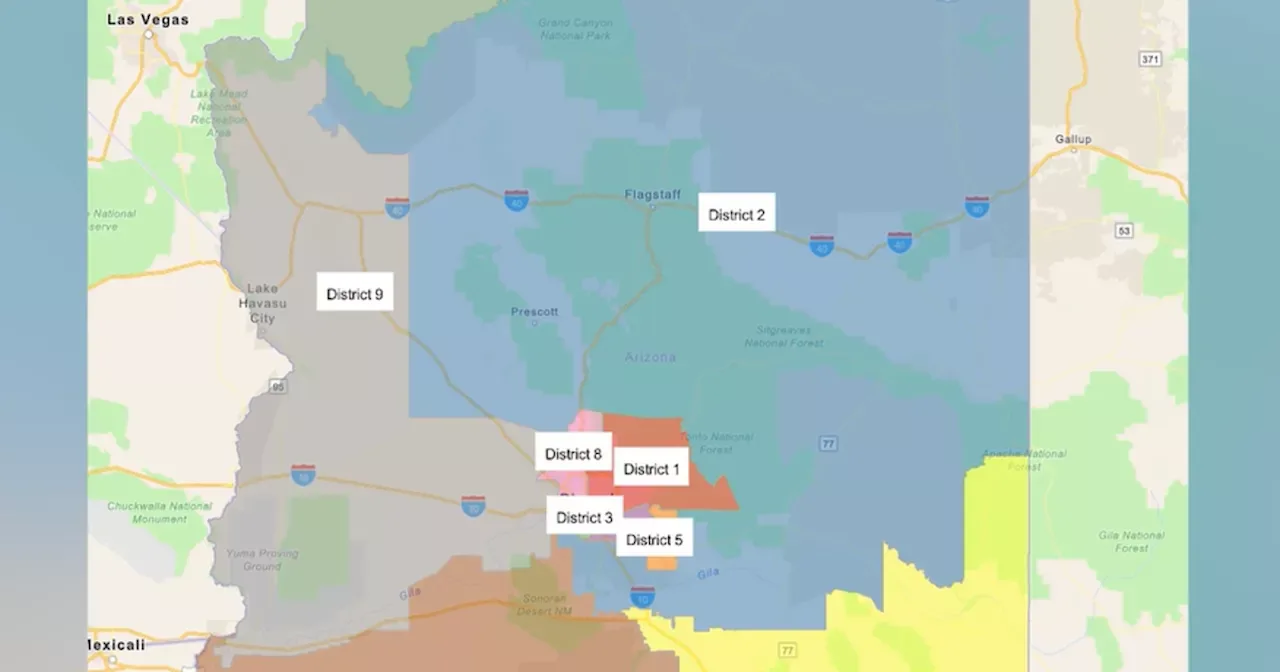
Racial gerrymandering is not new to American politics. Following the Civil War and Reconstruction, Southern Democratic state legislatures responded to the political gains of Black voters in the 1870s by creating oddly shaped districts designed to concentrate or dilute Black voting power. Mississippi created a shoestring-shaped district that wound along the state's river. North Carolina's "Black Second" and Alabama's "Black Fourth" similarly concentrated African American voters into single districts, leaving them without influence elsewhere. South Carolina's "Black Seventh," established in 1882, was perhaps the most notorious, slicing through county lines and around Charleston neighborhoods to minimize Black representation.
The Voting Rights Act of 1965, passed during the Civil Rights Movement, aimed to reverse this history by restoring federal oversight of election changes and reviving protections against race-based voting restrictions. Since its passage, racial gerrymandering has largely served to preserve and amplify political representation for historically marginalized groups. The Louisiana v. Callais decision threatens to unravel this progress, allowing states to employ redistricting techniques that systematically dilute minority citizens' voting power.