

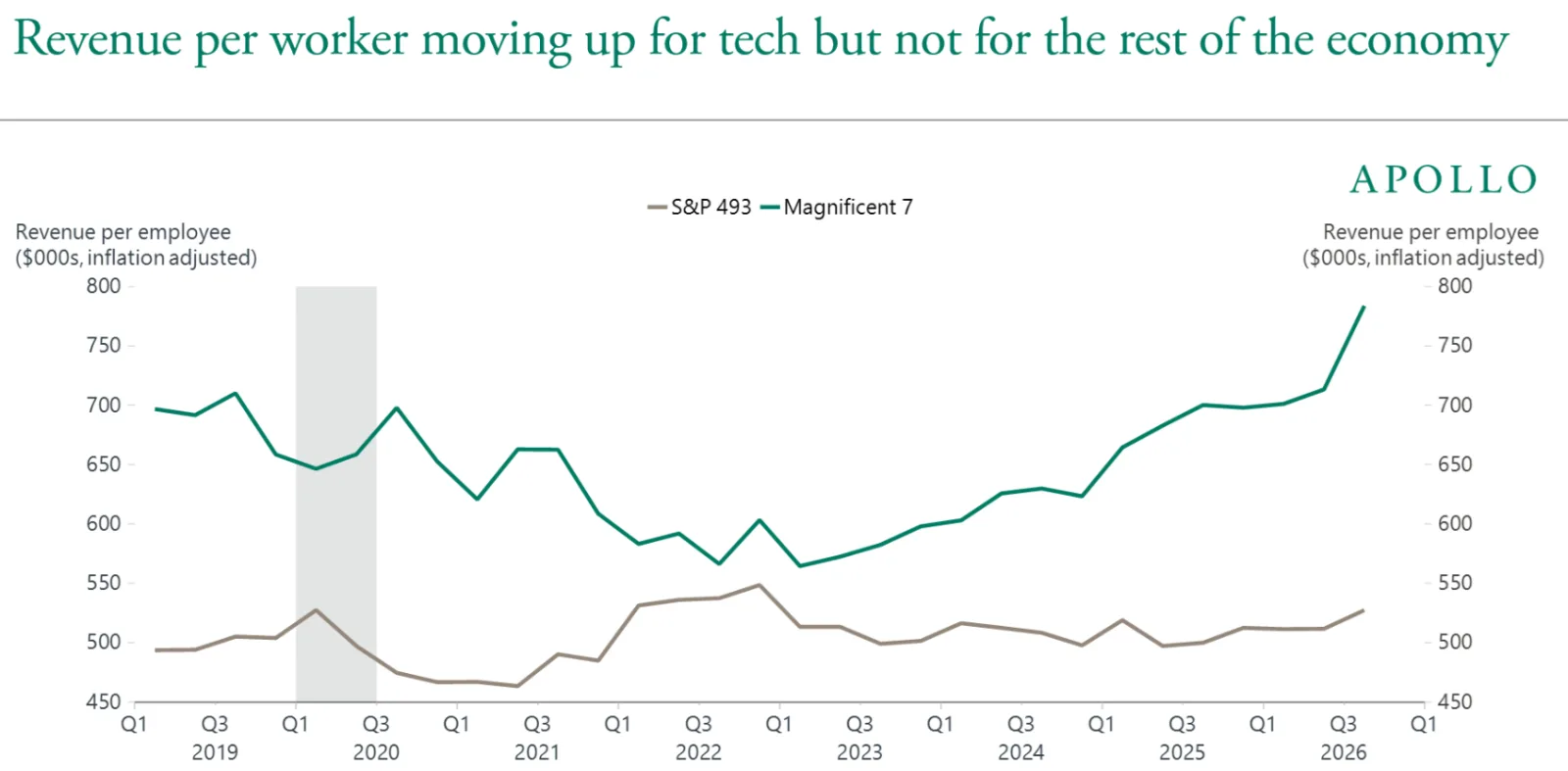
Although artificial intelligence continues to dominate headlines and attract massive investments across industries, its tangible benefits remain largely confined to the biggest technology firms. A detailed study conducted by Apollo highlights that most organizations beyond these giants fail to experience meaningful AI-driven advantages.
The analysis points out a growing disparity in AI adoption and outcomes, with top-tier tech companies leveraging their vast resources to develop and integrate AI capabilities more successfully. In contrast, smaller enterprises struggle with limited access to data, talent, and infrastructure necessary to capitalize on AI innovations.

This concentration of AI benefits raises concerns about the widening digital divide within the corporate landscape. The leading firms continue to expand their market dominance by harnessing AI to optimize operations, enhance customer experiences, and drive product development. Meanwhile, midsize and smaller firms face challenges including high costs of AI implementation and the complexity of embedding AI into existing systems.
Apollo’s findings suggest that the current wave of AI advancements does not translate into broad-based economic gains across the business ecosystem. As AI technologies evolve rapidly, disparities in adoption could deepen, further entrenching advantages for already dominant companies.
Industry experts argue that addressing these imbalances will require concerted efforts to improve AI accessibility through shared platforms, better education and training programs, and supportive policies aimed at smaller players. Without such measures, the benefits of AI may remain concentrated within a narrow segment of the technology sector, potentially slowing inclusive innovation.