

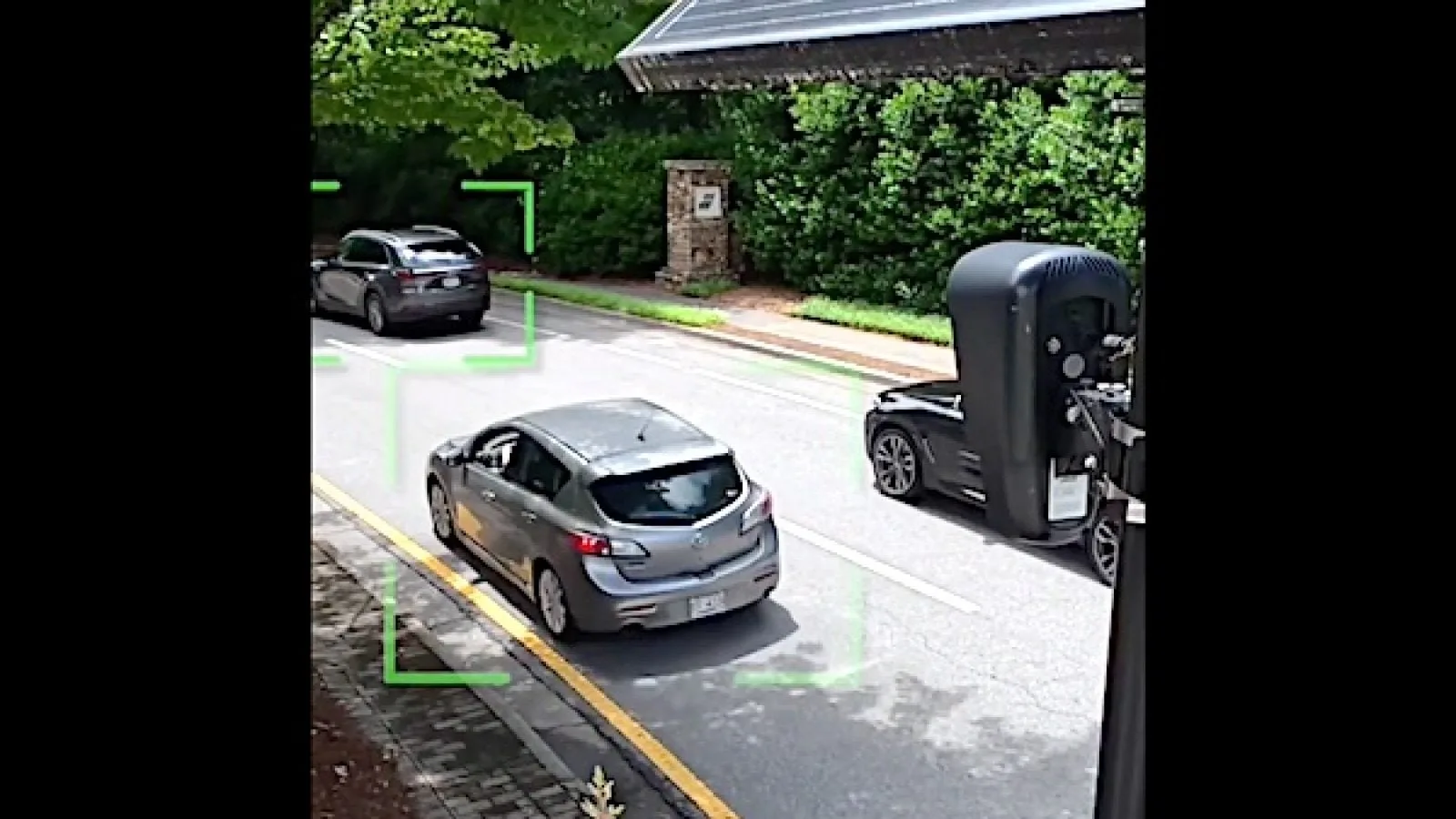
An increasing number of Americans are actively opposing the widespread deployment of Flock AI surveillance cameras, which use artificial intelligence to monitor public and private spaces. Videos circulating on social media show individuals destroying these cameras, reflecting mounting frustration over what many view as government overreach and invasive surveillance.
Flock cameras consist of AI-enabled poles equipped with sensors that capture timestamped photos and create GPS trackers for every vehicle passing by. While intended to aid law enforcement in crime prevention, critics argue this technology enables constant tracking without warrants, extending surveillance into everyday life and raising serious privacy concerns.

The backlash is fueled by reports that law enforcement has misused these cameras to stalk individuals, including estranged partners, and to disseminate erroneous criminal accusations. Locations targeted by Flock cameras include bike paths, nature trails, public parks, schools, gyms, reproductive clinics, and even children’s gymnastics rooms, intensifying fears about intrusive monitoring in sensitive settings.
Republican lawmakers such as Colorado Representative Lauren Boebert have voiced strong opposition, asserting that such surveillance violates the Fourth Amendment’s prohibitions against unreasonable searches and seizures. Although Boebert does not endorse property destruction, she expresses understanding toward citizens who are resorting to covering or dismantling the cameras in protest.
This phenomenon is not limited to the United States. Similar acts of defiance against Flock cameras have emerged in the United Kingdom, where footage shows devices being smashed, cut down, or defaced with paint. Activists and security researchers alike warn that the unchecked expansion of AI-driven surveillance networks threatens civil liberties and erodes public trust.