

The UK’s transition away from fossil-fuel heating systems is losing momentum just as energy markets become increasingly unstable. This slowdown in installing heat pumps, a key technology for reducing carbon emissions from homes, raises concerns about meeting the country’s climate commitments and protecting households from rising fuel costs.
The Climate Change Committee (CCC), the UK’s independent climate watchdog, reported that the government’s latest emissions reduction plan is less ambitious than last year’s and remains insufficient to achieve the 2030 targets under the Paris Agreement. The CCC identified inadequate progress in decarbonizing public buildings and a decline in support for low-income households seeking insulation and electric heating as key factors behind the shortfall.

The urgency of accelerating low-carbon heating links directly to recent energy price shocks. The CCC noted that households relying on gas boilers and petrol cars faced bill increases almost four times larger than those with heat pumps, while rural homes dependent on oil boilers and diesel vehicles endured surges around 10 times greater. Despite these vulnerabilities, only about 56,000 heat pumps were installed in 2025, showing a stark slowdown from the previous year’s 56% growth to just 7%.
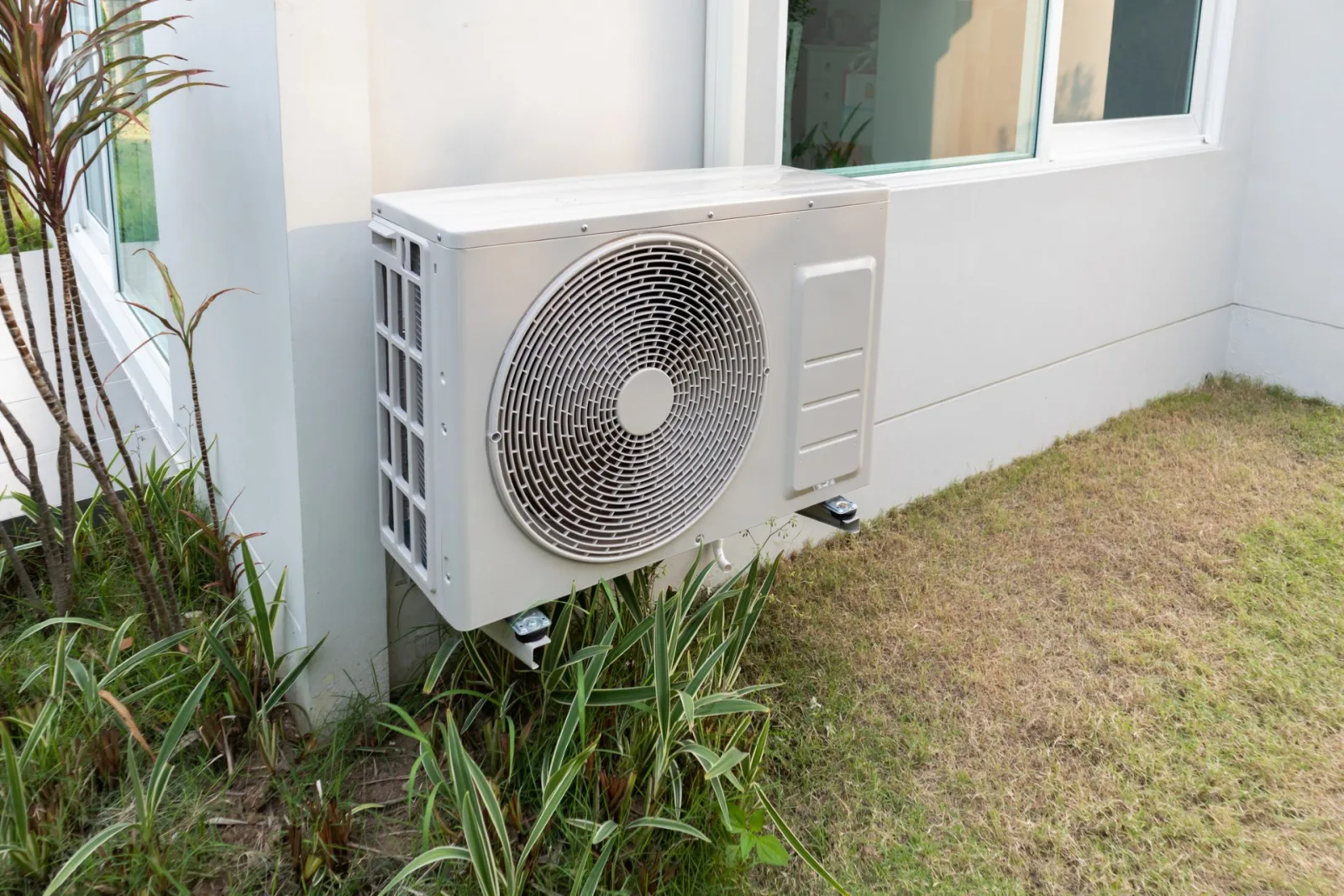
Heat pumps work by transferring heat rather than generating it, making them far more energy-efficient and able to provide both heating and cooling. This efficiency often translates into significant savings and available government incentives such as tax credits and rebates. For homes not requiring a whole-house upgrade, companies like Merino offer single-room heat pumps that can be installed quickly and affordably.
However, the movement faces hurdles. The end of the Energy Company Obligation (ECO) scheme, which accounted for about a third of heat pump installations in recent years, poses a major risk to future uptake. The Climate Change Committee warned that without immediate replacement of ECO, installations could decline further, stalling the shift from gas and fossil fuels.
As the UK anticipates another intense heat wave with southern temperatures possibly reaching 37°C, the need for cleaner, more efficient heating and cooling grows more urgent. These technologies not only reduce pollution but also help stabilize energy costs for vulnerable households during extreme weather events.
The watchdog urges the government to speed up efforts to replace expiring support schemes and to increase backing for electric heating across homes and public buildings. They emphasize that steady incentives and clearer policy signals are essential for homeowners and installers to invest confidently in low-carbon heating solutions going forward.