

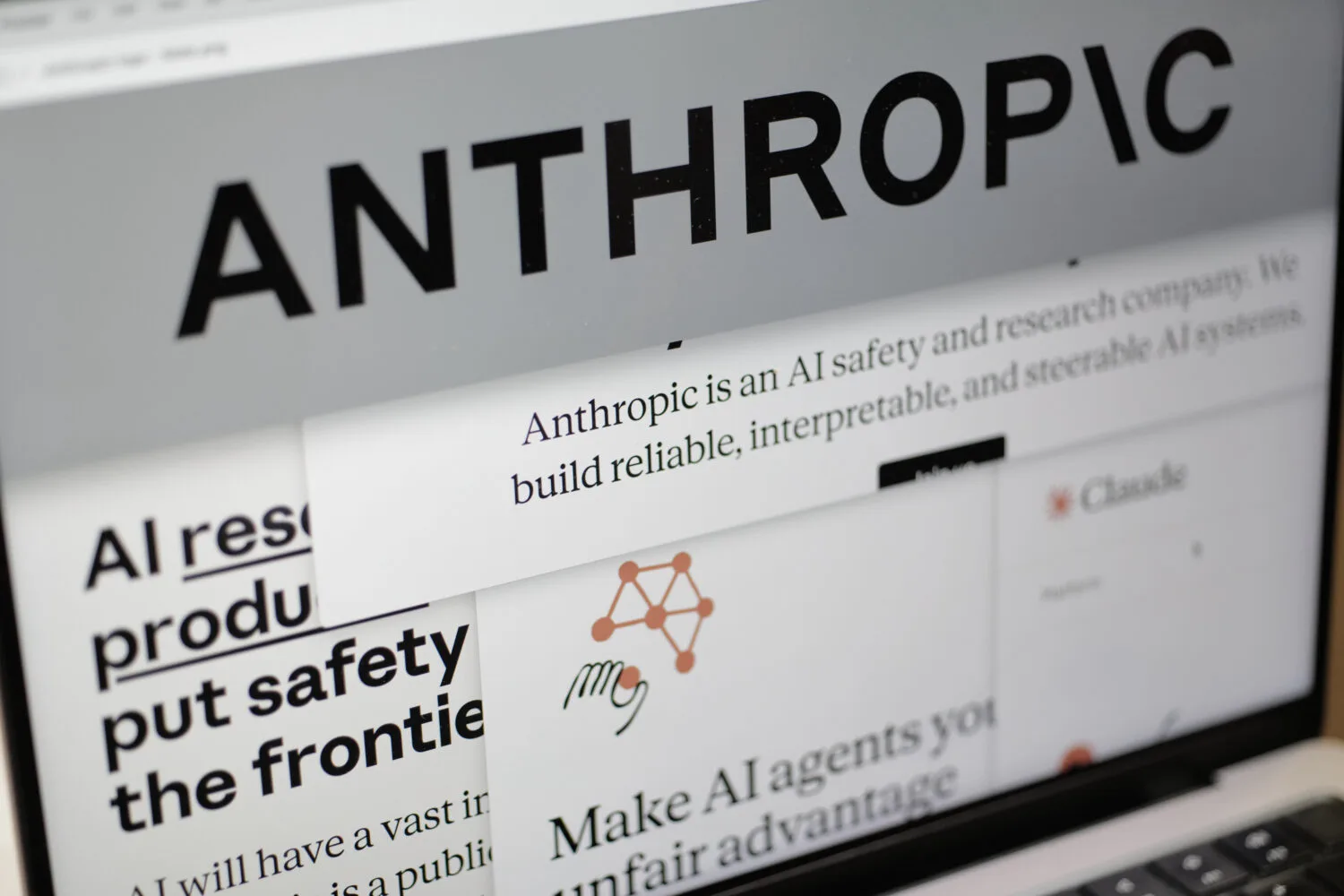
The U.S. Court of Appeals for the D.C. Circuit heard arguments over the Pentagon’s decision to label Anthropic, an AI technology company, as a national security threat, exposing deep judicial divisions on the issue. Anthropic challenges the Pentagon’s claim that it poses a supply-chain risk, arguing the government’s designation amounts to unlawful retaliation for raising ethical concerns about AI in military use.
During the hearing, one judge sharply questioned the Pentagon’s rationale, describing the risk designation as a significant overreach without evidence supporting threats to national security. Another judge countered by emphasizing the deference owed to Defense Secretary Pete Hegseth’s judgment about potential AI vulnerabilities that could compromise military capabilities. The core dispute centers on how AI technology like Anthropic’s could be used in autonomous weapons or surveillance, raising complex tensions between innovation and security.

Anthropic filed lawsuits in Washington, D.C., and San Francisco after the Pentagon’s decision, which also led to a federal ban on using its AI technology across government agencies based on a Trump-era order. The company denies seeking government contracts but claims the national security label has caused irreparable damage to its reputation and business operations.
In earlier rulings, the D.C. Circuit rejected Anthropic’s bid to halt the Pentagon’s actions during ongoing appeals, while a San Francisco federal judge blocked the government from applying the risk designation in a related case. At the appeals hearing, Anthropic maintained it cannot alter its AI model Claude once deployed within classified military systems; however, a Justice Department attorney warned that Anthropic still retains the ability to interfere with the AI’s performance in critical operations—a failure that could have severe national security consequences and endanger service members.
This litigation highlights the rising friction between emerging AI technologies and national defense priorities, as courts weigh the limits of governmental authority against concerns about technological innovation and ethical AI deployment.