

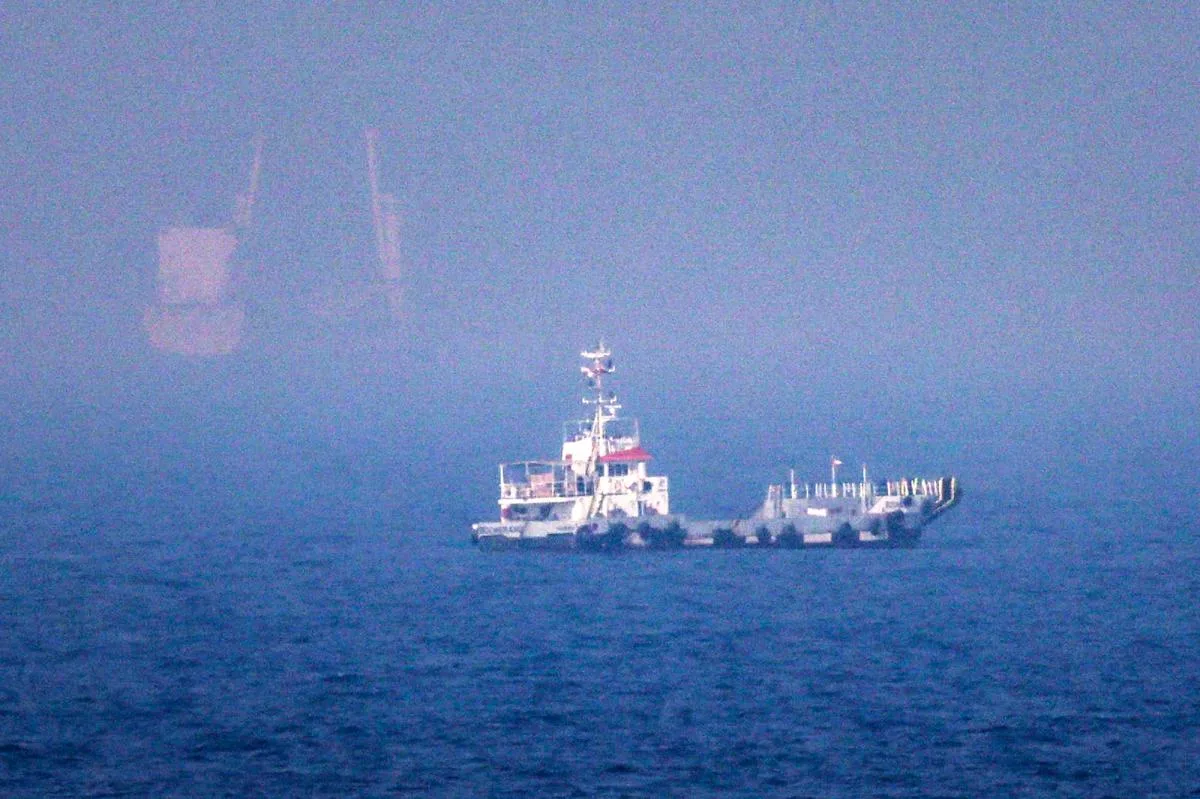
The recent escalation of hostilities in the Strait of Hormuz marks the collapse of a tenuous ceasefire between the United States and Iran. After months of intermittent conflict, Iranian forces resumed attacks on shipping routes, undermining hopes for stable navigation through this crucial global chokepoint. In response, the US reversed its decision to lift sanctions on Iranian oil and reinstated a blockade of Iranian ports.
The Strait of Hormuz has emerged as the strategic heart of this confrontation. Earlier diplomatic efforts produced a memorandum of understanding (MOU) designed to ensure the safe passage of commercial vessels through the strait for a limited period. However, the terms reflected fundamentally different interpretations: while the US expected unfettered transit, Iran viewed the agreement as recognition of its sovereign control over the waterway. The MOU promised a temporary toll-free passage lasting sixty days but also left Iran room to impose fees thereafter, pending ongoing dialogue with Oman over future maritime administration.

This ambiguity has fueled mistrust from the start. The Iranians capitalized on the MOU’s vagueness to assert control, intensifying their disruption to shipping lanes. The US administration now rejects the pact entirely, with President Donald Trump declaring it void and affirming continued American dominance over the strait. There is even talk of imposing transit fees on vessels navigating the waterway, a controversial proposal that conflicts with international norms prohibiting tolling on such straits.
What began as optimistic hopes for a diplomatic resolution now appears to be a protracted standoff. Iran’s newfound ability to challenge shipping traffic has emboldened its position, while the US faces mounting pressure to maintain secure and open access. The strait’s critical importance to global energy supplies puts the stakes high for all parties involved, casting uncertainty over the region’s stability.