

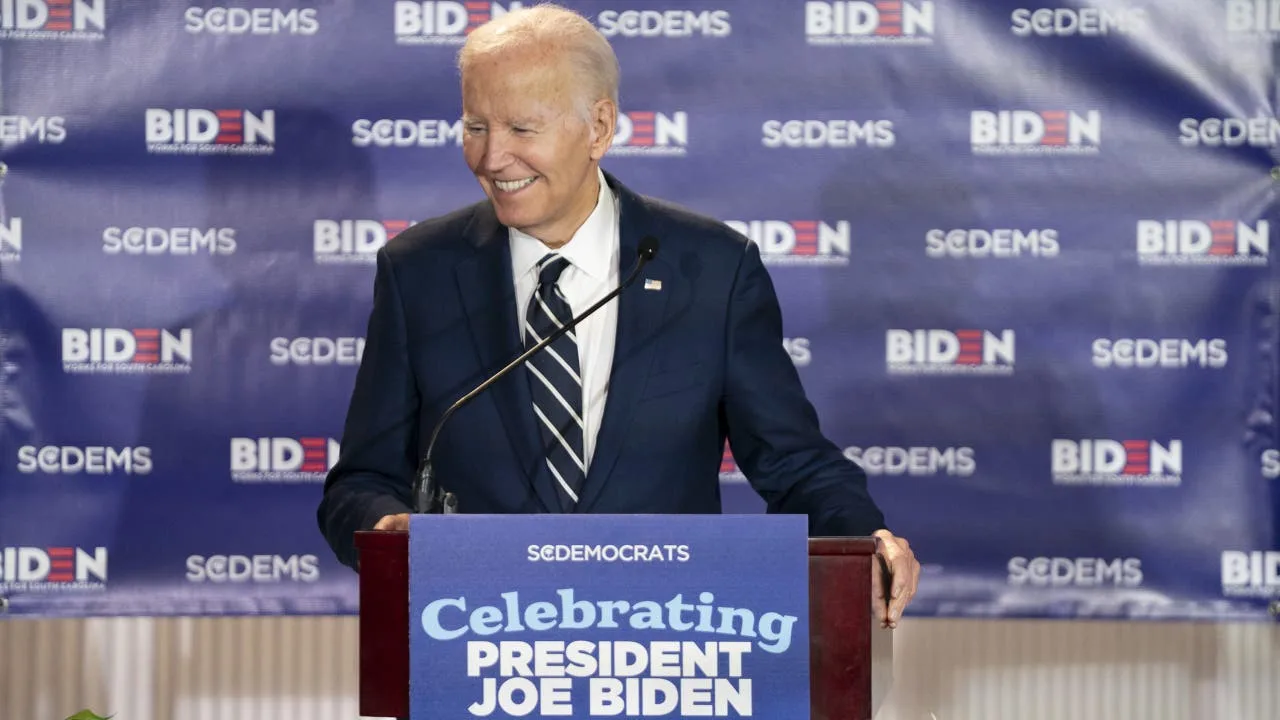
Former President Joe Biden has initiated legal action against the Department of Justice (DOJ) to halt the planned release of audio transcripts from interviews recorded at his home. These recordings, captured in 2016 and 2017 during conversations with his ghostwriter, became part of a broader investigation into Biden’s management of classified documents.
The audio files were obtained by special counsel Robert Hur, who conducted a detailed inquiry into Biden’s handling of sensitive government materials dating back to his time as senator and vice president. Hur’s yearlong investigation culminated in a comprehensive report but did not recommend criminal charges. Still, the release of these interviews has sparked privacy concerns from Biden’s legal team.

The DOJ intends to provide these transcripts to the U.S. House Judiciary Committee and the Heritage Foundation, a conservative think tank, by mid-June. Under the previous administration, the department denied the Heritage Foundation’s request for the recordings, citing exemptions from public records laws. However, a policy reversal followed when former President Trump assumed office for a second term, authorizing the disclosure.
Biden’s lawsuit argues that releasing the files would invade his personal privacy, emphasizing that even senior government officials retain rights to private conversations conducted within their homes. The legal complaint highlights the DOJ’s special obligation to safeguard such material when acquired during a criminal probe.
The background to the recordings involves Biden’s collaboration with Mark Zwonitzer, his ghostwriter for two memoirs. The interviews were reviewed as part of Hur’s investigation into the improper retention of classified documents. This scrutiny also led to significant political fallout, including former Attorney General Merrick Garland’s contempt citation by Congress for withholding related materials that were eventually released.
While the Biden inquiry did not lead to charges, the investigation contrasts with the 2023 federal indictment against Donald Trump over classified documents, which was later dropped. The dispute over access to these private files reflects ongoing tensions about privacy, transparency, and political oversight in cases involving former presidents.