

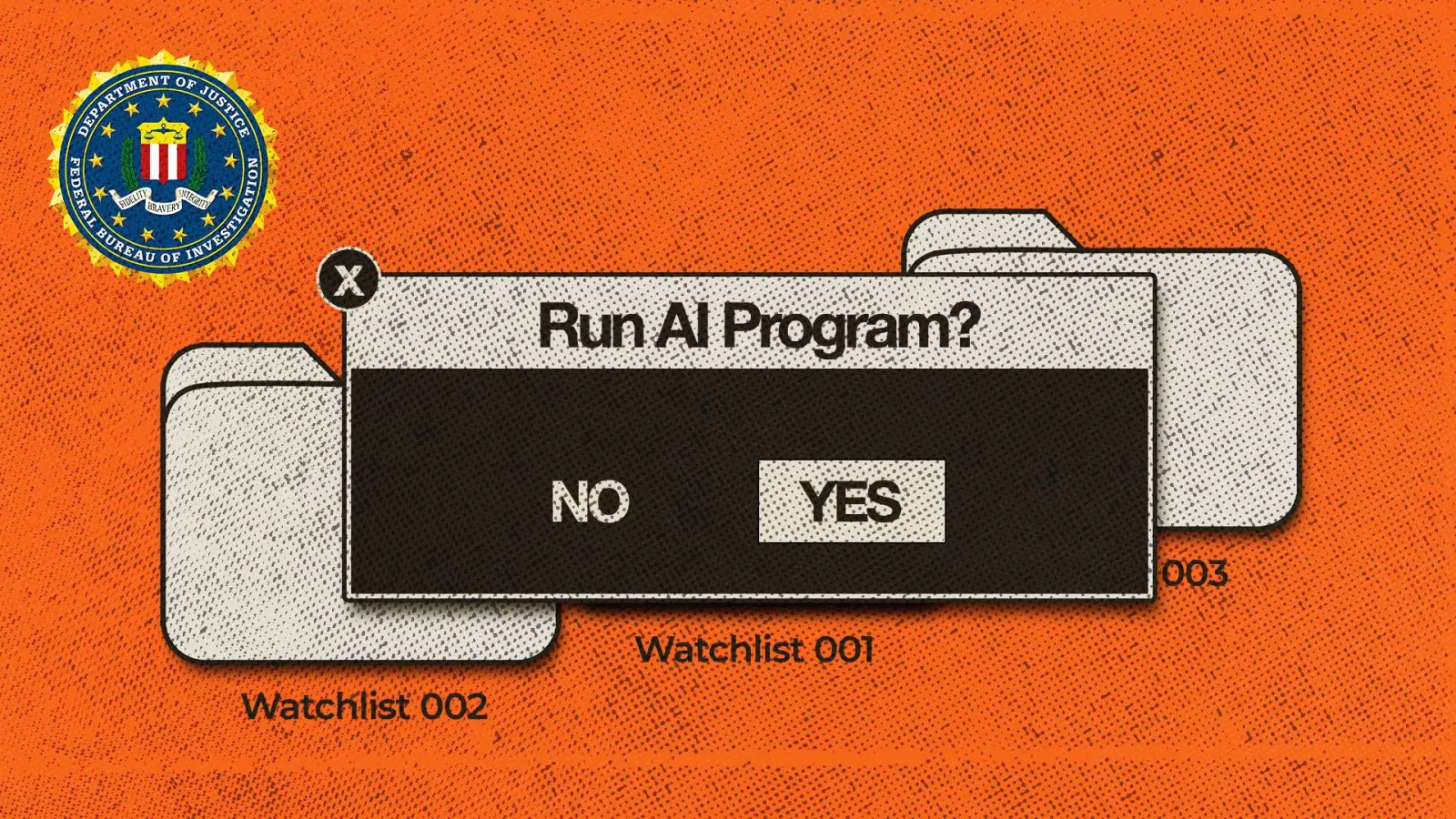
The FBI’s Threat Screening Center (TSC) is pursuing an artificial intelligence system designed to predict potential threats by analyzing vast government data, marking a shift from counterterrorism toward broader surveillance of domestic political groups. According to recently disclosed procurement documents, the agency aims to equip the TSC with AI tools capable of identifying patterns and correlations across federal datasets to highlight individuals or groups that might pose security risks.
The procurement request emphasizes predictive modeling that uses enriched data with verified sources to create forecasts relevant to national security investigations. This move coincides with a strategic redirection following policy shifts under the previous administration, which expanded the center’s mandate to include vague "threats" beyond organized Islamist terrorism, encompassing political dissidents and groups labeled subversive.

Originally established in 2003 to consolidate terrorist watch lists under a unified National Security Presidential Directive, the TSC handles inquiries from law enforcement and intelligence agencies nationwide. While the watch list largely contains foreign nationals linked to jihadist activity, recent directives have broadened its scope. The 2017 and subsequently updated National Security Presidential Memorandum 7 (NSPM-7) calls for heightened attention to extremist viewpoints—including those rejecting traditional American social norms on family, religion, and race.
The FBI’s AI initiative directly references NSPM-7, signaling alignment with its expansive interpretation of domestic threats. The screening system under development must analyze new information and integrate it with existing records to generate predictive insights across federated databases. Through this, the TSC aims to anticipate potential escalations before they materialize, applying an intelligence-driven model often associated with "pre-crime" policing.
Despite the significant implications for civil liberties and political expression, official FBI spokespeople declined to comment on the project. The emphasis on AI-enhanced surveillance reflects growing federal interest in using technology to monitor not only traditional terrorism but also what the government now defines as ideological extremism—an approach that critics argue risks targeting lawful dissent.