

The U.S. Justice Department unsealed charges against former Cuban President Raúl Castro related to the 1996 downing of two unarmed civilian planes that resulted in the deaths of four Americans. This development has revived criticism of former President Barack Obama’s 2016 Havana visit, which sought to normalize relations with Cuba after decades of hostility.
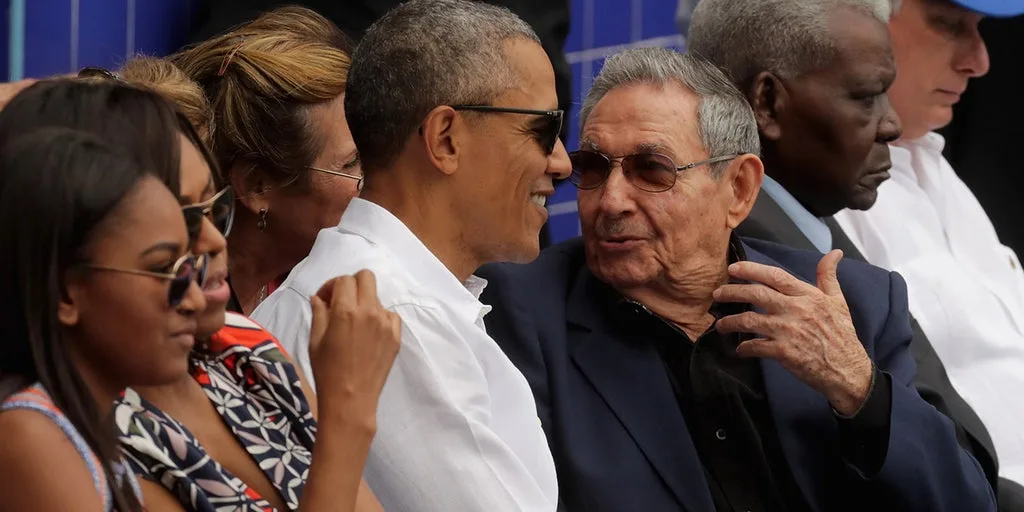
Obama’s trip included diplomatic talks and a publicized attendance at a baseball game where he was seen alongside Castro. At the time, Obama framed the visit as an effort to move beyond Cold War animosities and promote dialogue. However, critics assert that the normalization efforts handed undue legitimacy to Cuba’s authoritarian regime without delivering concrete human rights or security benefits.

The indictment charges Castro and five others in connection with the shootdown involving a Miami-based exile group operating the planes. Cuban-American voices have used the legal action to underscore what they view as the failures of Obama’s policies, saying the normalization failed to improve conditions for political prisoners or Cuban dissidents.
Obama’s 2016 visit remains a flashpoint because it symbolized a dramatic shift in U.S. policy, moving from isolation and sanctions toward engagement. Obama declared his intent to “bury the last remnant of the Cold War in the Americas” and called for friendship with the Cuban people. Yet photos from that trip showing Castro and Obama embracing resurfaced following the indictment, sparking renewed outrage online from those who see the former president as having been overly conciliatory toward a repressive regime.
Critics emphasize that during the period of Obama’s outreach, Raúl Castro’s government continued to shield fugitives wanted in the U.S., and no significant human rights advancements followed. This has driven some observers to label Obama’s approach as naive or even disrespectful to Cuban dissidents and victims of the regime’s oppression.