

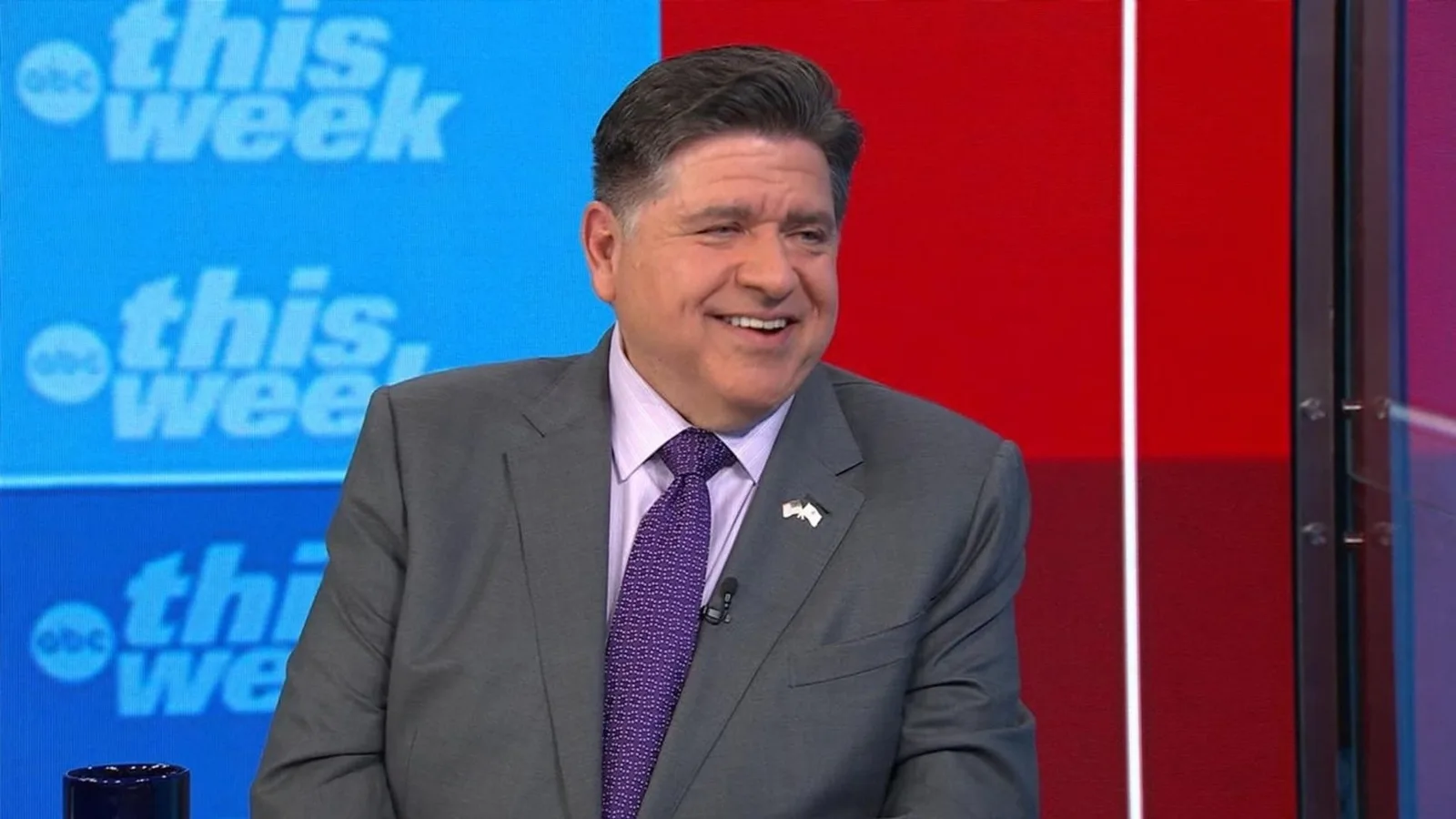
Illinois Governor JB Pritzker stressed the urgency of regulating artificial intelligence at the federal level, highlighting the technology’s potential risks as being on par with nuclear weapons. Pritzker emphasized that AI’s impact transcends state boundaries, making individual state efforts insufficient to address the widespread challenges it presents.
During his call for national legislation, the governor underscored AI’s capacity to disrupt numerous sectors, raising concerns over security, ethics, and economic consequences. He argued that without a unified federal framework, inconsistencies would undermine effective oversight and public safety. Pritzker urged lawmakers to act promptly to establish guardrails that protect citizens while fostering innovation.

The governor’s remarks come amid increasing global and national attention on AI technologies, as policymakers debate how to balance advancement with regulation. Experts and officials alike warn about risks ranging from misinformation and privacy breaches to autonomy in weapons systems. Pritzker’s stance aligns with a growing chorus demanding comprehensive federal standards to govern AI development and deployment.
He also noted that fragmented policies could create loopholes exploited by bad actors, complicating enforcement and diminishing trust in AI systems. Calling for collaboration between government, industry, and academia, Pritzker highlighted the need for transparency, accountability, and ethical guidelines as foundational elements in any regulatory framework.
This approach recognizes that states lack the scale and resources to tackle AI’s complex challenges individually. The governor’s call for nationwide action aims to ensure that regulation keeps pace with evolving technologies, providing a consistent legal environment that balances protection with progress.