

Scientists studying the microbial life in the Arctic Ocean have uncovered evidence suggesting that certain bacteria may be capable of using acetone to transform carbon into usable food. This process, if confirmed, represents an unusual metabolic strategy that could influence carbon cycling in polar marine ecosystems.
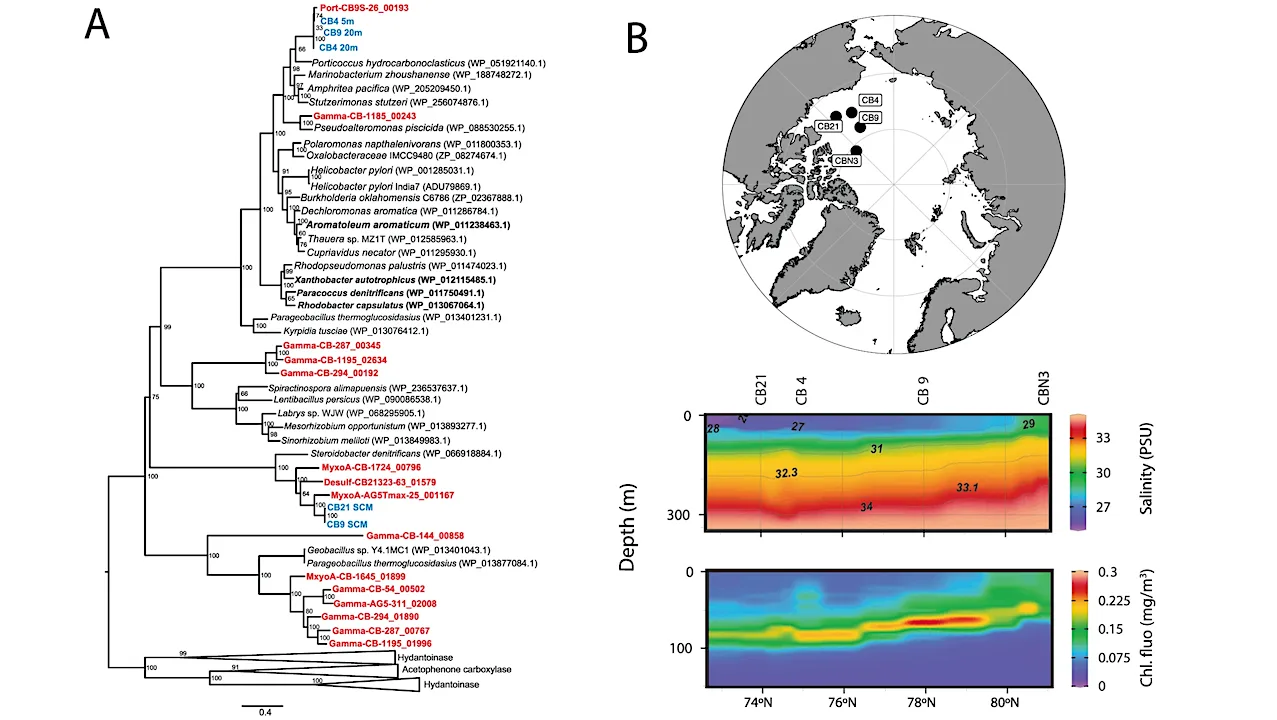
The discovery centers on the identification of the acetone carboxylase gene (acxB) within metagenome-assembled genomes (MAGs) from the Canada Basin. Phylogenetic analysis showed a close relationship between these Arctic bacteria and known acetone-consuming microbes, suggesting a functional capacity to metabolize acetone that was previously unrecognized in this environment.

Acetone, a simple organic solvent, is not traditionally considered a significant substrate in marine microbial metabolism. The presence of genes linked to its utilization points to alternative pathways bacteria could employ to sustain growth, especially in nutrient-limited Arctic waters. This mechanism might form part of a larger microbial network contributing to carbon turnover and energy flow in the ocean’s cold regions.
Understanding such metabolic adaptations is crucial as the Arctic undergoes rapid environmental changes. The role of these bacteria in sequestering or releasing carbon compounds may affect regional biogeochemical processes and, by extension, global climate feedbacks. Further experimental validation and ecological study are necessary to clarify these bacteria’s contribution to the Arctic carbon cycle.