

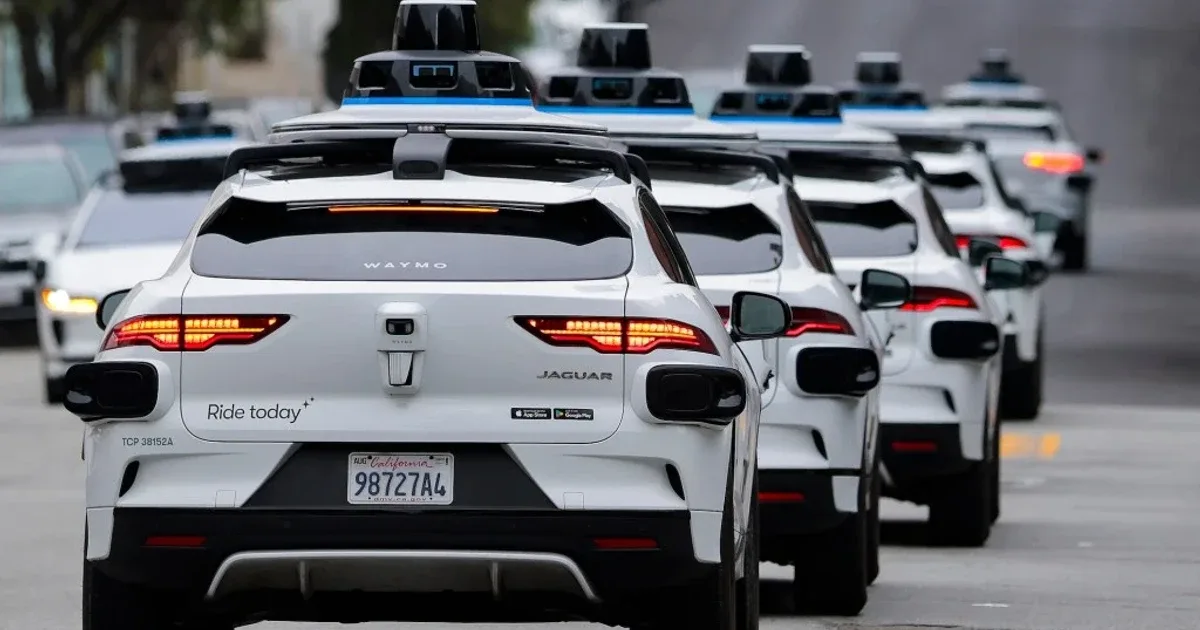
Federal transportation authorities have intensified pressure on autonomous vehicle (AV) developers to ensure their fleets respond safely to emergency scenes, coinciding with Uber’s recent end to its partnership with Waymo in Phoenix. The move highlights growing concerns about how self-driving cars interact with first responders during critical incidents.
The National Highway Traffic Safety Administration (NHTSA) has explicitly warned AV companies that their vehicles must not obstruct police, firefighters, or paramedics at emergency sites. In a directive sent to all developers covered by the Department of Transportation’s Standing General Order, NHTSA set a strict deadline of the end of July for firms to demonstrate effective solutions allowing AVs to yield or clear the way during emergencies.

NHTSA Administrator Jonathan Morrison emphasized that failure to comply with these safety requirements poses a significant public risk. Emergency situations, he noted, are not rare exceptions but regular and high-stakes scenarios that autonomous vehicles must navigate safely.
Waymo, which operates the largest robotaxi fleet in the U.S., reported multiple incidents where first responders had to manually intervene to remove their vehicles from emergency routes. These included a response to a mass shooting and an event where a Waymo vehicle blocked emergency access to a natural-gas explosion in Dallas, underscoring the real-world challenges facing AV operations.
Compounding these issues, a July 4 fireworks celebration near San Francisco’s Golden Gate Bridge caused severe congestion, leaving many autonomous vehicles stranded or out of power. Several Waymo robotaxis required towing, and the local transportation agency later apologized for the disruption affecting buses and emergency access. The impact on public transit and emergency services prompted a city supervisor to propose a formal inquiry into the role of AVs in such gridlocks.
While Uber continues autonomous service agreements with Waymo partners in Atlanta and Austin, the dissolution of their Phoenix deal marks a significant shift amid rising regulatory scrutiny. Industry observers view NHTSA’s firm stance as a signal that robotaxi operators must prioritize coexisting safely with public safety officials as their services expand.