

A federal judge appointed by former President Donald Trump has dealt a significant blow to the Justice Department by quashing a grand jury subpoena demanding extensive personal data on thousands of election workers involved in Georgia’s 2020 vote count and recount.
In a court order filed Tuesday, Judge William M. Ray II criticized the breadth of the DOJ’s request as “staggering” and dismissed it as an unreasonable, overbroad fishing expedition unlikely to yield charges because the statute of limitations for any alleged crimes related to the 2020 election had already expired. He underscored that even if the records uncovered support claims that the election was unfair, no prosecution could legally follow.

Ray emphasized that issuing a subpoena through a grand jury does not grant the DOJ unlimited authority to seize private information without a legitimate law enforcement predicate. He warned that such expansive demands risk setting a dangerous precedent, allowing future administrations—regardless of political affiliation—to misuse grand jury powers to access private data on citizens, potentially targeting political opponents.
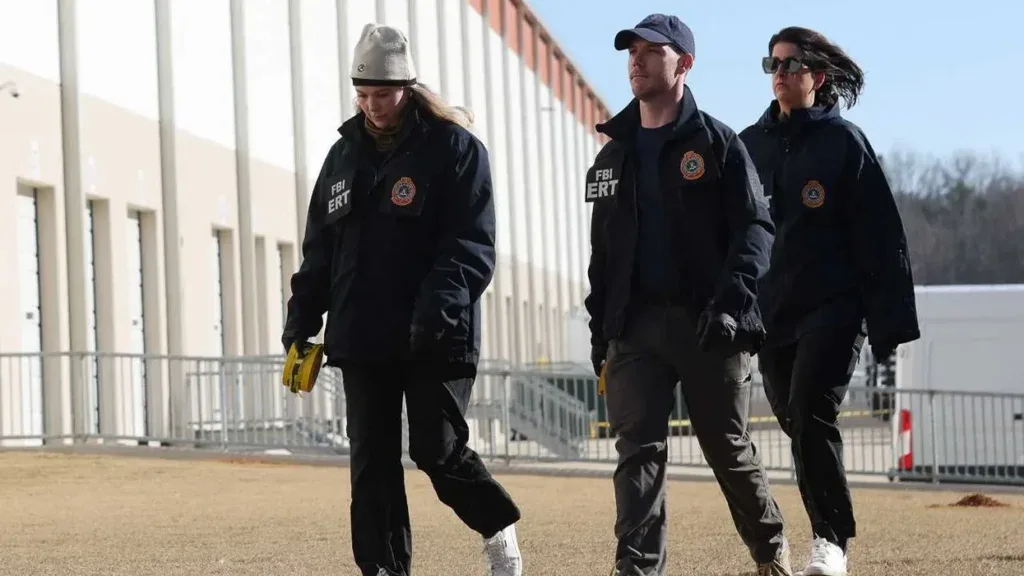
This ruling comes shortly after the FBI dispatched hundreds of analysts to review election-related materials seized in Atlanta. Despite the DOJ’s wide-ranging investigative efforts, the judge concluded the subpoena’s scope exceeded lawful boundaries and must be invalidated.
The decision highlights judicial concerns about balancing government investigative powers with individual privacy rights, especially in politically charged inquiries linked to elections. It also signals judicial restraint against what it sees as attempts to leverage grand jury processes for objectives beyond credible criminal prosecution.