

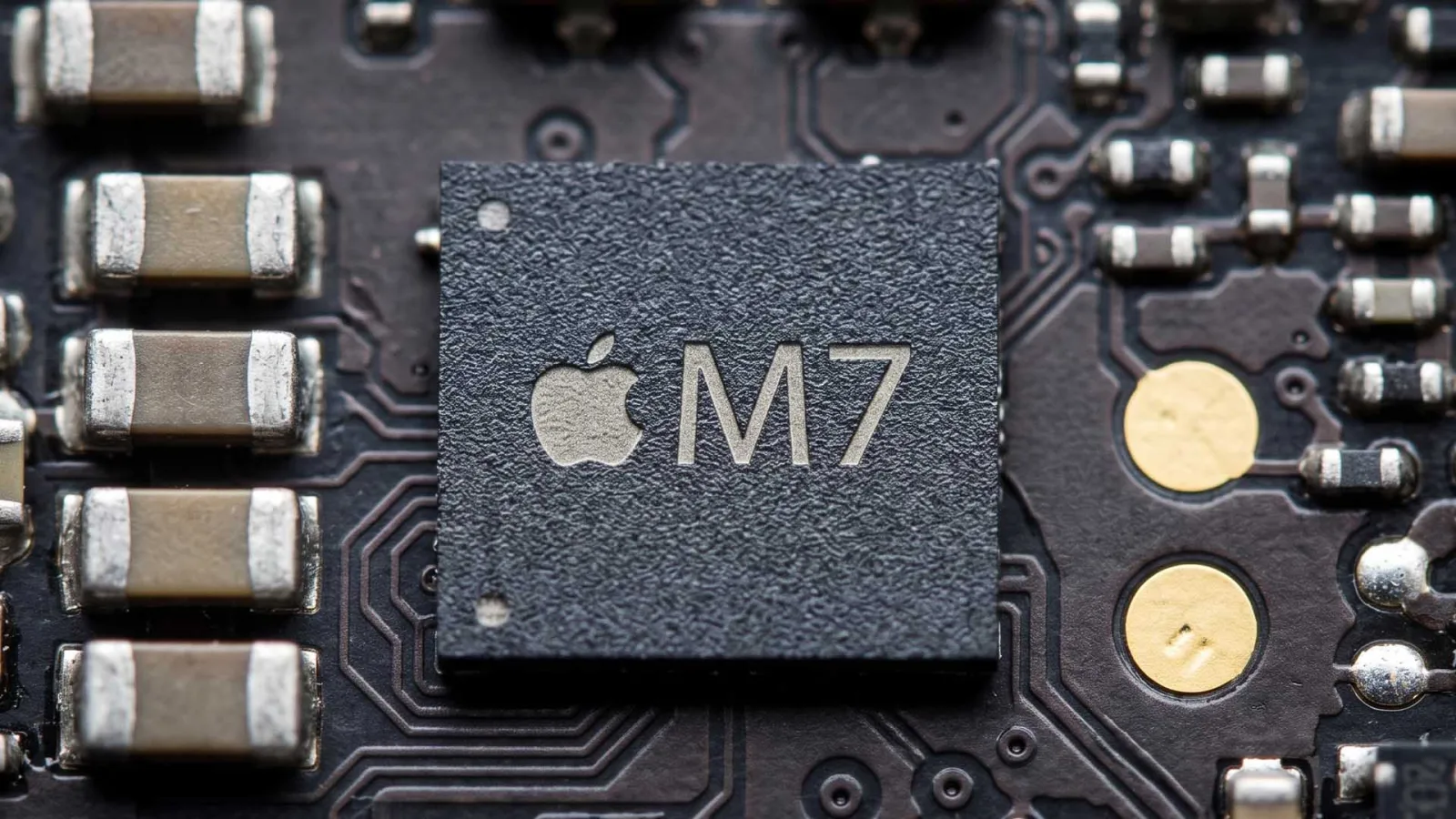
Apple is speeding up its chip release schedule by moving directly to the M7 generation just months after finalizing the M6 design. This shift reflects the company's urgent focus on enhancing on-device artificial intelligence, a move that reshapes its usual product lineup by dropping the anticipated M6 Pro and M6 Max variants.
The M7 chip is expected to debut in the first half of 2027, powering a redesigned MacBook Pro that will feature a vapor chamber cooling system. High-end versions, including the M7 Pro and M7 Max, should follow by the end of 2027, with the M7 Ultra arriving in 2028. This ultra variant aims to deliver significant AI improvements and support an unprecedented 1.5TB of unified memory, making it designed for next-level workstation tasks.

One of the core enhancements comes in the form of a much wider unified memory bandwidth. The M7 base chip is projected to provide 240GB/s, a substantial increase from the M5’s 153GB/s ceiling. This jump in bandwidth is critical for handling complex AI workloads directly on the device, reducing reliance on cloud processing and enabling faster, more efficient computations.
Apple’s decision to bypass finishing the M6 series with Pro and Max models stems from a strategic priority to accelerate neural engine upgrades. These neural-processing improvements are designed to bring Apple's silicon closer in AI performance to specialized accelerators from competitors like Nvidia’s Blackwell architecture. The M7 Ultra, in particular, is expected to mark a significant leap forward in AI capabilities, reflecting a shift in industry dynamics where AI demands dictate chip development timelines.
Furthermore, sources note that Apple is already working on the M8 chip, continuing the trend of rapid innovation driven by AI requirements. This trend highlights the broader impact of AI's rise across the semiconductor sector, where traditional chip release cycles are being compressed to meet escalating performance needs.