

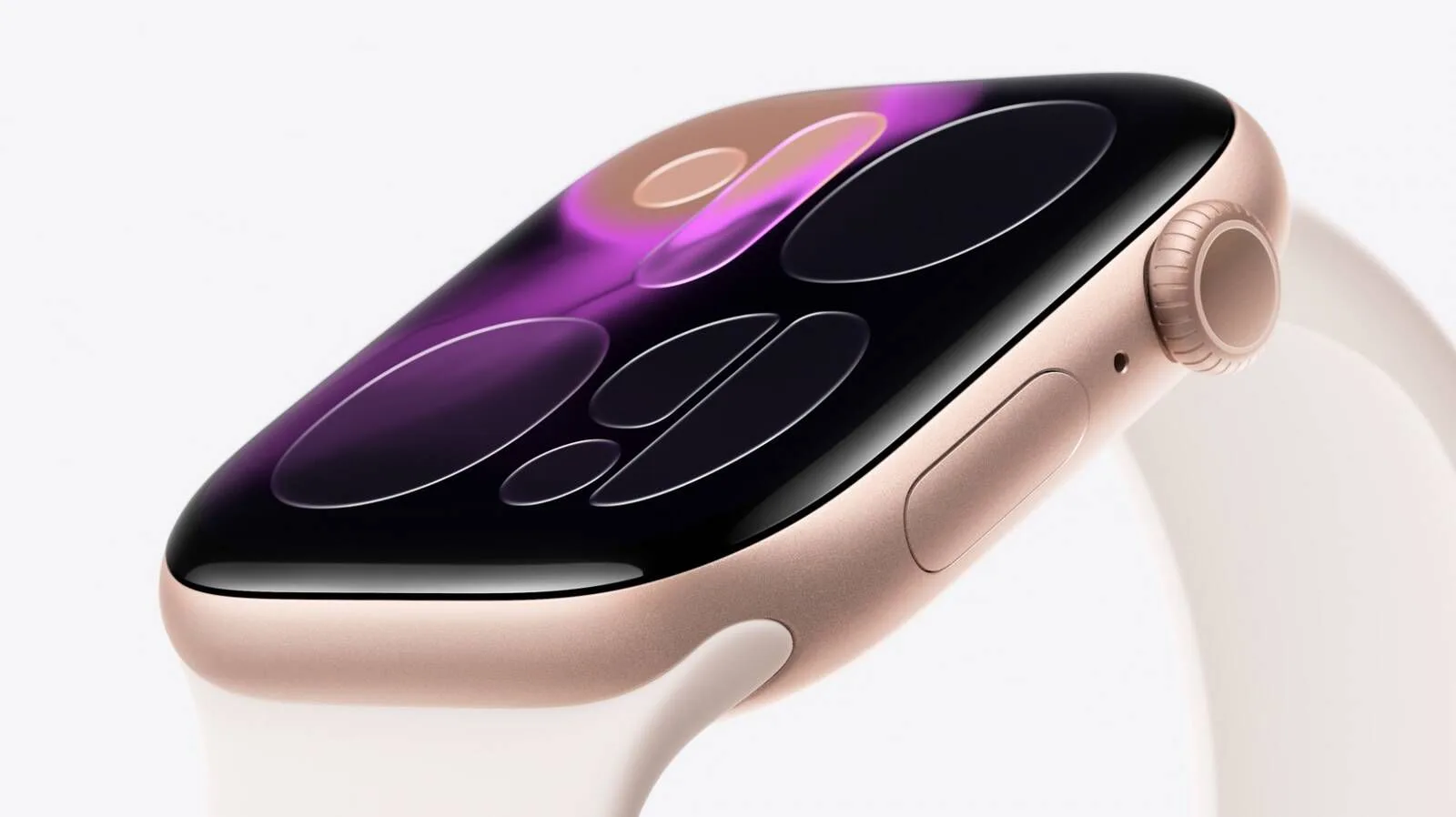
Apple has consolidated its position as the front-runner in the Edge AI smartwatch segment, representing approximately 90% of all Edge AI-capable smartwatch shipments during the first quarter of 2026, according to new data from Counterpoint Research. This proprietary AI technology allows critical health and safety functions to be processed directly on the watch, bypassing the need for cloud or smartphone reliance.
The broader smartwatch market saw a significant increase in Edge AI penetration, growing 70% year-over-year to reach 25% of global shipments in Q1 2026. Edge AI refers to artificial intelligence computations executed on a device’s built-in chip—in Apple’s case, the Neural Engine integrated into the Apple Watch’s System on Chip (SoC). This enables instant detection of irregular heartbeats, fall events, and other health metrics without transmitting sensitive data externally.

Health and fitness monitoring remain the primary drivers behind the adoption of Edge AI in smartwatches. Counterpoint noted marked growth in advanced health features leveraging on-device AI, with blood pressure monitoring shipments more than doubling and sleep apnea detection tripling within a year. The industry now appears to be shifting attention toward incorporating diabetes detection as the next frontier in wearable health tracking.
Apple’s leadership traces back to its 2023 introduction of the S9 chip, which incorporated a dedicated 4-core Neural Engine optimized for on-device machine learning tasks. Competing brands have only recently started to catch up: Huawei rolled out its Kirin W80 chip in 2025 to locally power its Celia voice assistant, while Qualcomm launched its Snapdragon Wear Elite platform for AI wearables in early 2026. Google, meanwhile, is reportedly developing a Tensor-based chip for wearables, but it has not yet reached the market.
Counterpoint emphasizes that not all smartwatches with neural processing units (NPUs) fully utilize Edge AI capabilities. Their classification requires that at least one health, safety, or interaction feature runs inference on-chip, not just the presence of the hardware.
Additionally, a software-centric alternative to dedicated neural hardware has emerged. Ambiq’s Apollo platform performs AI inference on vector-core silicon utilizing Arm’s Helium extensions. While this solution could allow more affordable smartwatches to gain basic Edge AI functions without specialized chips, it remains limited compared to Apple’s hardware-driven approach.