

US electric vehicle (EV) sales rebounded in the second quarter, marking the first quarterly increase since federal incentives expired last year. Higher gasoline prices have shifted consumer preferences back toward electrified transportation, enhancing the economic appeal of EVs compared to traditional gas-powered vehicles.
According to Cox Automotive, American buyers purchased over 247,000 EVs in the second quarter, up from roughly 216,000 in the previous quarter. This uptick follows a difficult period in which the removal of federal subsidies contributed to a steep drop in EV sales, forcing some manufacturers to halt or scale back their electric offerings.

The surge in fuel costs at the pump plays a pivotal role in this market reversal. As gasoline prices soared, many consumers found the overall cost of ownership of internal combustion engine vehicles less attractive. This dynamic encouraged EV adoption, as owners benefit from significantly lower fueling expenses, especially when paired with renewable energy sources such as rooftop solar panels, as demonstrated by some EV owners.
However, the recovery has not been uniform across automakers. Major brands that curtailed their EV lineups suffered sharp sales declines—Ford’s EV sales dropped by 41%, Chevrolet’s by 48%, Mercedes-Benz by 59%, and Nissan experienced an 88% plunge. By contrast, manufacturers who maintained or expanded their electric models saw notable gains: Toyota’s EV sales surged by 225%, Subaru’s deliveries more than doubled, Kia grew by 46%, and Rivian increased sales by 7.6% in the same period.
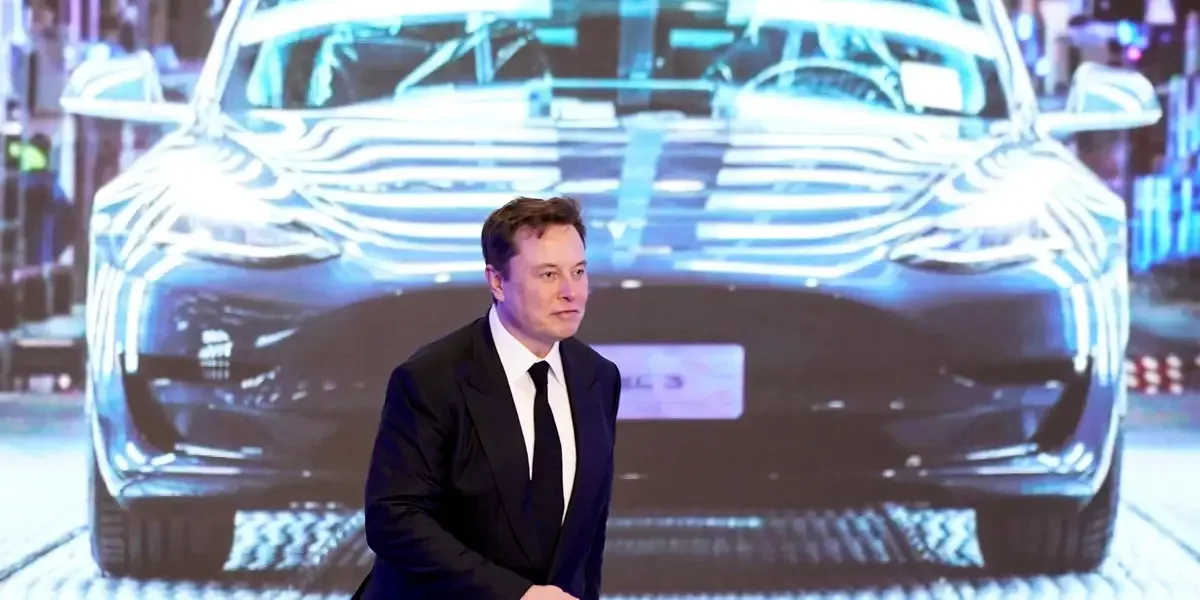
Tesla remained the undisputed leader in the US EV market, delivering 124,800 vehicles during the quarter, capturing over half of the market share. Its Model Y continued as the top-selling electric vehicle with nearly 85,000 units sold, recording only a slight year-over-year decline. Globally, Tesla's deliveries increased by 25% compared to the previous year, reaching more than 480,000 vehicles in the quarter.
This renewed interest in EVs underscores how volatile fuel prices can drive shifts in consumer behavior and accelerate the transition to cleaner transportation options. While rising gasoline costs pose challenges to conventional drivers, they inadvertently enhance the competitiveness of electric vehicles, reinforcing trends toward sustainability in the automotive sector.