

Apple escalated a simmering conflict in the AI world by suing OpenAI and key former Apple employees, alleging the theft of sensitive trade secrets related to consumer hardware. The complaint names OpenAI’s chief hardware officer Tang Yew Tan and former Apple engineer Chang Liu, accusing them of using confidential Apple information to advance OpenAI’s hardware projects.
The lawsuit centers on claims that OpenAI improperly accessed Apple designs, manufacturing techniques, and supply-chain strategies, with Apple asserting a clear pattern of internal misconduct. Chang Liu reportedly retained an Apple-issued laptop after leaving the company and downloaded proprietary documents. The case highlights concerns over the transfer of talent and intellectual property between tech giants competing in AI hardware development.

This legal battle unfolds amid the backdrop of the 2024 partnership integrating ChatGPT into Apple devices, a collaboration now overshadowed by allegations of corporate espionage. Apple also targets OpenAI’s io Products, the device maker acquired in a multibillion-dollar deal and linked to former Apple design chief Jony Ive, signaling the high stakes of AI hardware competition.
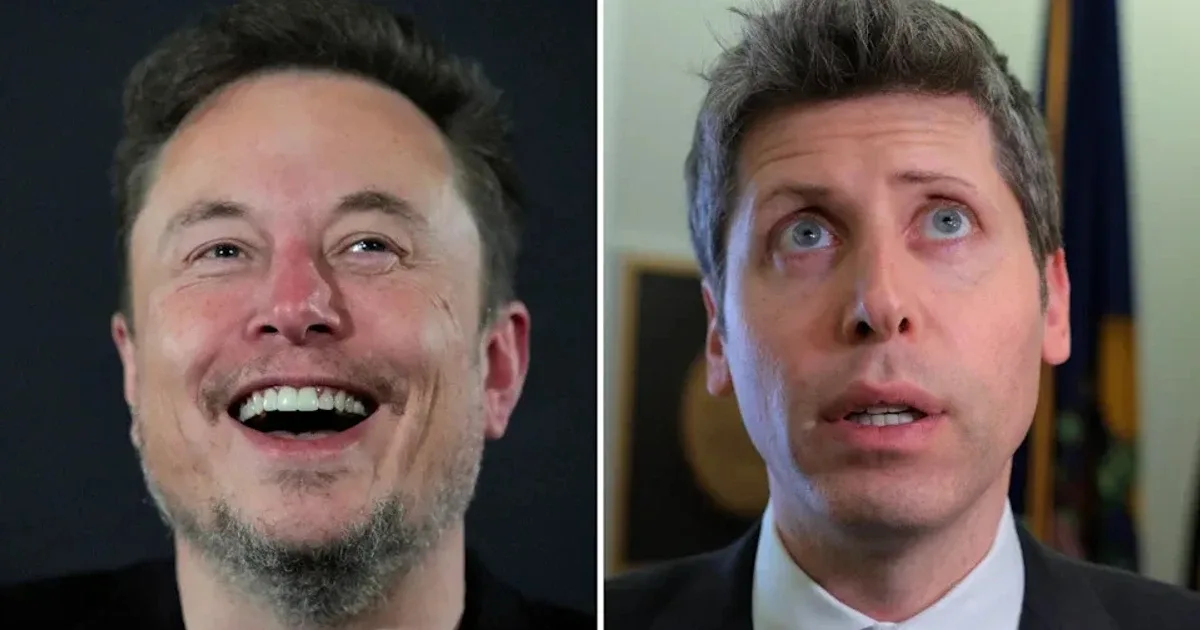
Adding to the tensions, Elon Musk and OpenAI CEO Sam Altman reignited their public feud following the lawsuit’s announcement. Musk, who co-founded OpenAI before departing over disagreements on its commercial direction, has criticized the company’s deepening focus on consumer hardware and software. The lawsuit fuels this rivalry by intertwining disputes over trade secrets, employee mobility, and control of AI innovation.
OpenAI has denied any use of other companies’ trade secrets, rejecting Apple’s core allegations. However, Musk’s ongoing legal challenges against OpenAI’s for-profit shift, including a recent court ruling against him for delay, indicate a complex and multifaceted dispute that extends beyond this new complaint.
The case underscores how AI collaborations between companies increasingly overlap with fierce competition over hardware, talent, and technological leadership. Apple’s filing not only aims to protect its intellectual property but also pressures OpenAI as it pursues ambitious hardware ambitions in an intensifying industry showdown.