

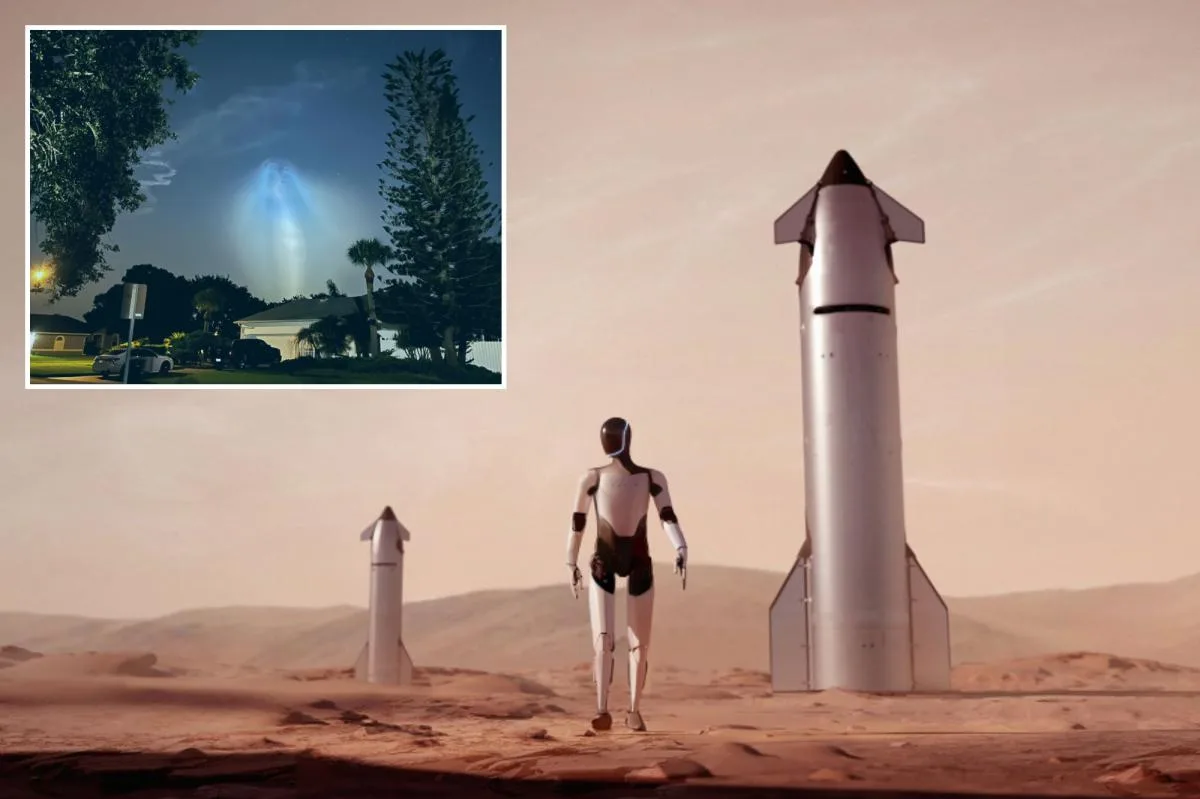
Elon Musk has set a bold timeline to initiate human colonization of space, targeting rocket launches before the end of this year that will deliver materials to the moon and Mars. These early missions will send autonomous Tesla robots to build the necessary infrastructure ahead of human arrival.
SpaceX has shifted its focus toward establishing a lunar city within the next decade, considering it a more immediate goal than a Mars outpost. However, Musk remains optimistic about beginning material shipments to Mars within seven years, aiming for the first sustainable Martian settlements to emerge between 2045 and 2055.

To support these ambitions, Musk's SpaceX recently filed applications with the Federal Communications Commission to deploy a vast constellation of 100,000 satellites. This network will enhance communication between Earth, lunar bases, and future Martian colonies, as well as provide the centralized computing power required to operate the AI systems that will command the robots building these settlements.
The Starlink satellite launches continue to progress, with a recent deployment of 29 units by a Falcon 9 reusable rocket that has achieved multiple successful return flights. These satellites are crucial for managing the computing demands of autonomous robots operating in space environments.
In addition to expanding satellite coverage, SpaceX is developing a new, larger transport rocket to carry the heavy cargo necessary for constructing off-world colonies. While the Starship vehicle has proven reusable and capable of significant lifts, it has yet to complete a crucial milestone: orbital refueling, which is essential for affordable, round-trip spaceflight.
Experts emphasize that reliable, cost-effective transportation of massive amounts of materials from Earth to space remains one of the biggest technical challenges for Musk’s colonization plans. Meeting these demands is vital before large-scale construction and self-sustaining habitats can be realistically established on the moon and Mars.