

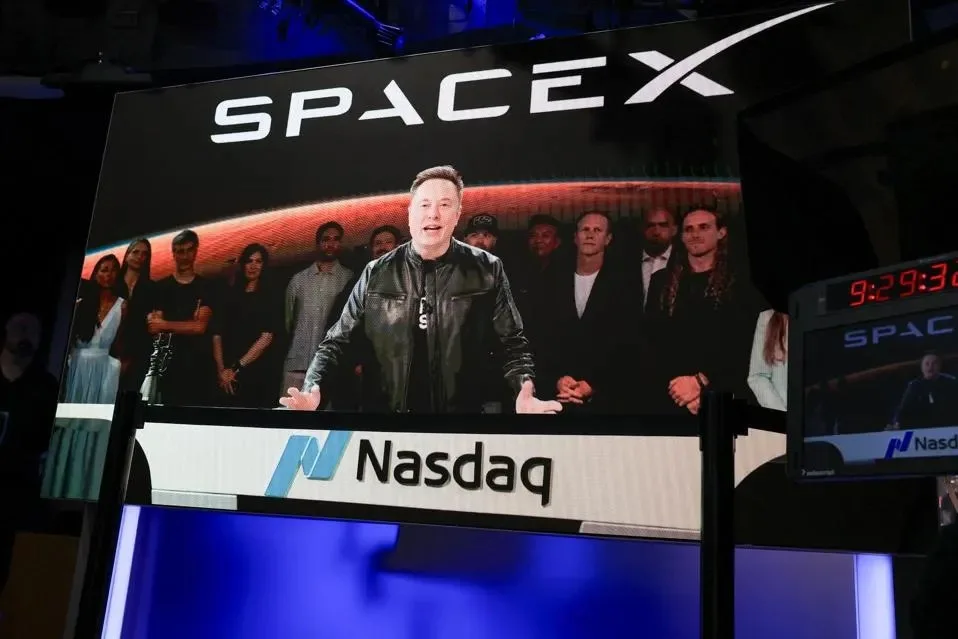
Elon Musk has outlined ambitious plans for SpaceX to reestablish human presence on the Moon and extend it to Mars within the coming decade. He expects astronauts will return to the lunar surface in the next few years, followed by the development of permanent, self-sustaining cities on the Moon that could accommodate tens of thousands of people.
In a recent interview, Musk detailed the company’s timeline, hoping to land astronauts on the Moon within two to three years and rapidly scale up operations to allow public access for visits or even permanent relocation. The entrepreneur described a vision of a lunar metropolis functioning both as a residential hub and a vacation destination.

Transporting humans to Mars poses greater challenges due to the long travel times, yet Musk remains optimistic that SpaceX will send the first crewed missions within five years. He further predicts that thousands might inhabit Mars within ten to twelve years, building an entirely new human settlement on the red planet.
Alongside this, SpaceX plans to expand its ventures into space-based infrastructure, including launching AI-powered satellites. Musk said the company intends to deploy its initial AI satellites within a year, with large-scale launches to follow soon after.
However, Musk’s forecasts have faced scrutiny given a history of missed deadlines and overly optimistic predictions about human space travel. Previous ambitions, such as private lunar flights originally slated for 2018, have yet to materialize. Market analysts have also expressed concerns over the financial sustainability of Mars colonization projects amid SpaceX’s current ventures, including its Starlink satellite network.
Despite skepticism, Musk’s vision continues to shape ongoing discussions about the future of space exploration, highlighting SpaceX’s goal of making space travel accessible to a broad public and establishing interplanetary human settlements.