

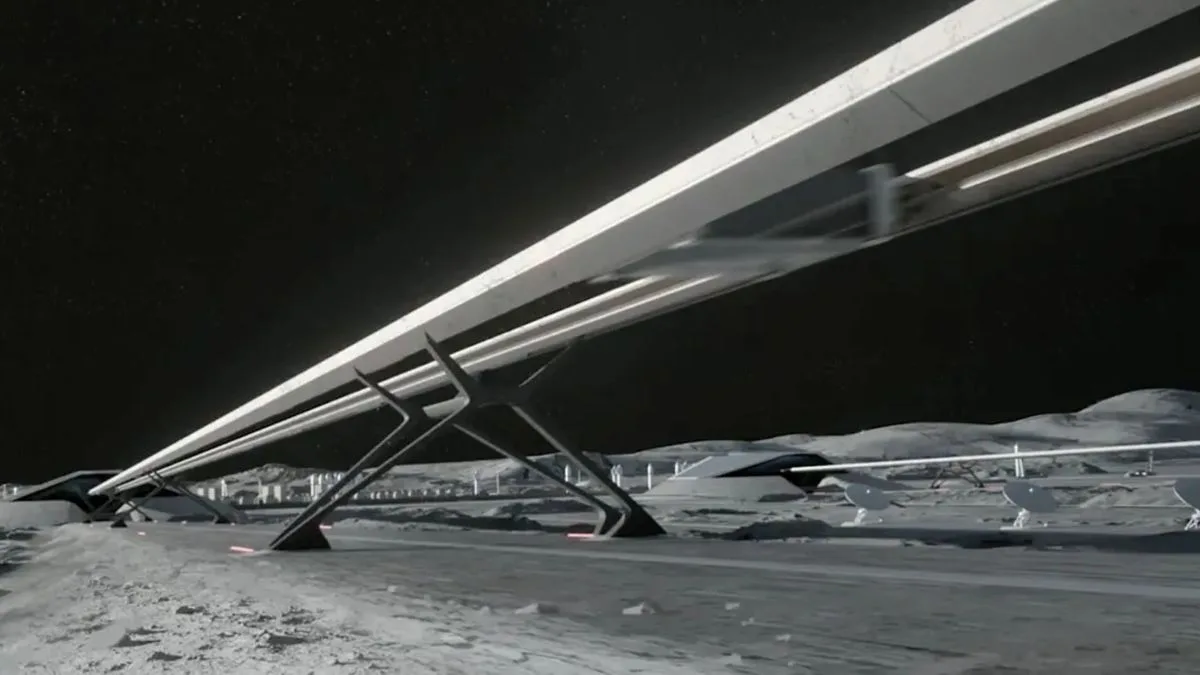
Space companies exploring mass drivers—electromagnetic catapults intended to propel payloads from the moon into space—face growing scrutiny over the technology’s dual-use nature. These devices can launch satellites without chemical rockets, significantly reducing costs and weight, but experts warn they could also serve as undetectable weapons capable of delivering a first strike from lunar orbit.
Mass drivers operate on a coilgun principle, using powerful magnetic fields to accelerate objects. The concept dates back to the 1970s, when physicist Gerard O’Neill envisioned using them to eject mined lunar materials into space for construction of colonies and solar power satellites. More recently, firms like SpaceX have proposed mass driver applications for deploying large constellations of AI-powered satellites into deep space.

A new analysis by space policy expert Andre Sonntag, published by the American Foreign Policy Council, highlights the strategic implications of this technology. Sonntag emphasizes that mass drivers’ ability to launch objects at high speeds from the moon gives nations deploying them a potentially unassailable military edge in cislunar space. His report stresses a narrowing window for the United States and other superpowers to influence the emerging lunar environment before such technologies reshape space security.
While mass drivers can accelerate peaceful development of off-world industries—such as mining and energy harvesting—they also carry a significant risk. Once operational, they could launch kinetic weapons or disable satellites without early warning, functioning as a ‘first-strike’ platform beyond Earth’s typical surveillance networks.
The dual-use dilemma complicates international discussions on lunar resource management and space security. Mass drivers blur the line between scientific exploration and military escalation. This has intensified calls for clear regulatory frameworks to govern their deployment and use, especially as multiple nations and commercial entities plan ambitious lunar operations in the near future.