

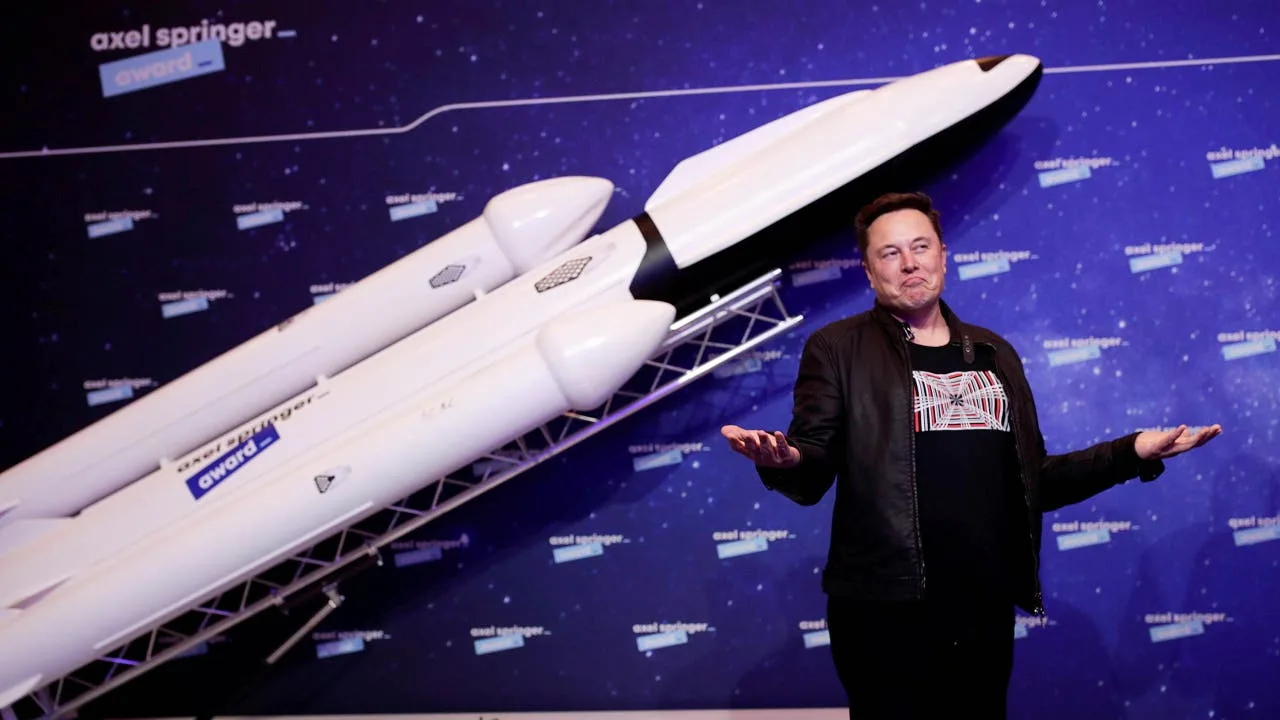
SpaceX is preparing for a stock market debut that promises to redefine Wall Street’s record books. The aerospace and satellite company, founded in 2002, aims to raise $75 billion through its initial public offering, potentially reaching a valuation of around $1.75 trillion. This would make it the biggest IPO in American history by a substantial margin.
The company’s dominance in the space industry is reflected in its recent performance, accounting for more than 80% of global rocket launches last year. SpaceX also operates a vast satellite network, with over 10,000 Starlink satellites currently in orbit, supporting its ambitions in satellite internet and space exploration.

The IPO timeline has accelerated, with reports indicating a roadshow launch scheduled for early June and a possible stock debut shortly thereafter. This rapid progression comes amid a quicker-than-expected regulatory review by the U.S. Securities and Exchange Commission. SpaceX has sought to list its shares on the Nasdaq exchange, aiming to attract broad investor interest.
The company’s proposed governance structure grants Elon Musk near-complete control, allowing him to retain executive power with minimal risk of being ousted. This governance model has drawn both admiration and caution from market observers. Some investors endorse Musk’s visionary leadership as a driving force behind SpaceX’s success, while others warn of potential speculative bubbles and concerns over stock supply management.
SpaceX’s ambitions extend beyond Earth orbit, aiming to establish moon bases, deploy massive space data centers, and possibly send humans to Mars. These plans align with its high valuation and investor enthusiasm but also contribute to the debate over its stock’s speculative nature.