

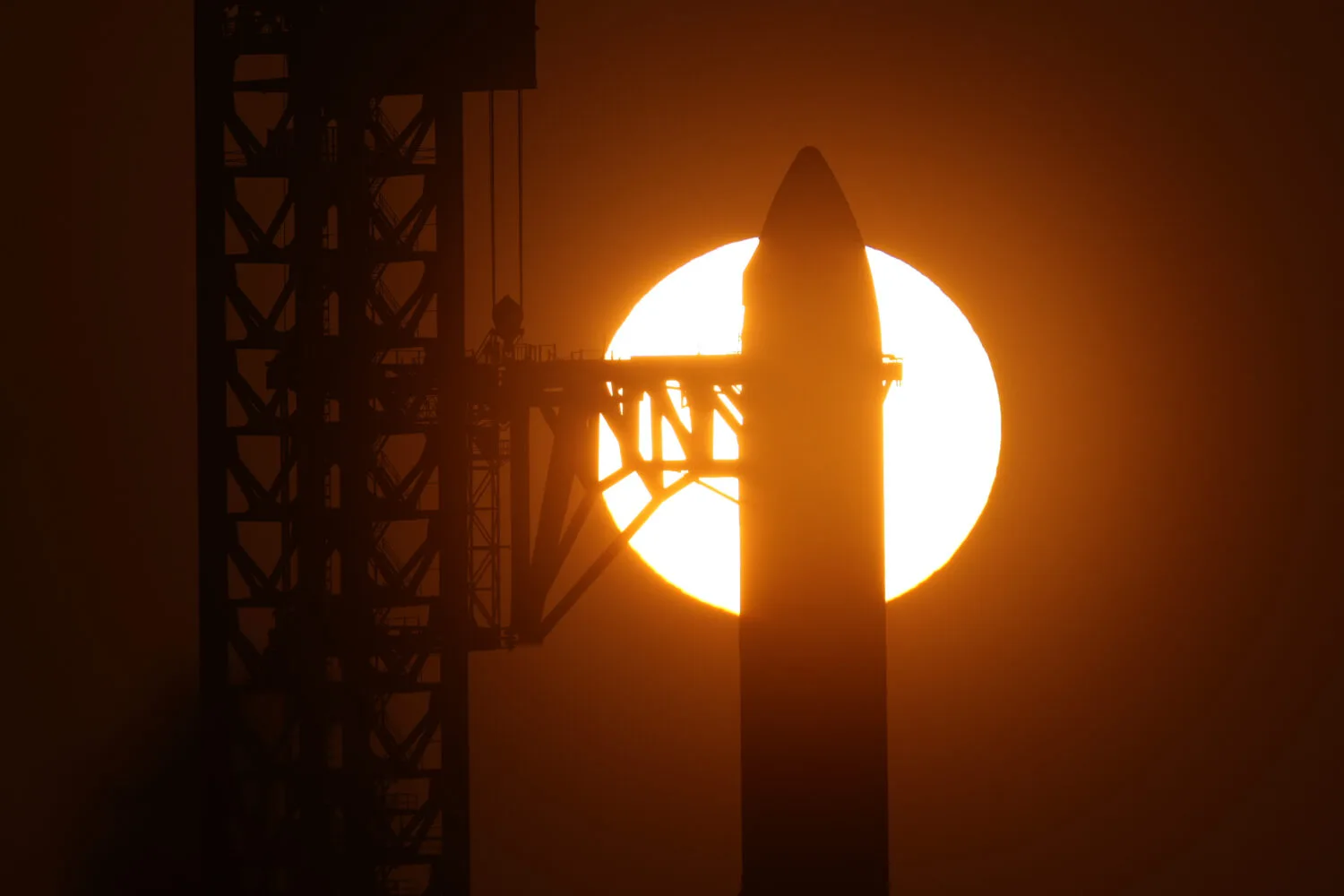
SpaceX deployed its latest, most enhanced Starship rocket in a critical test flight, marking a significant milestone for NASA’s Artemis moon missions. This new model, known as the third-generation or V3 Starship, launched from SpaceX’s Starbase facility in southern Texas, carrying 20 mock Starlink satellites to orbit as part of its mission demonstration.
The rocket stands at 407 feet tall, exceeding previous versions by several feet, and features substantial technological upgrades including stronger engines and improved steering capabilities. Its booster uses fewer but larger grid fins, enhancing control during descent and recovery phases. The fuel transfer lines feeding its 33 main engines now match the size used on the Falcon 9 booster, promising increased thrust and efficiency.

This Starship iteration also boasts enhanced onboard systems with more cameras and greater computing power, alongside new docking adapters crucial for future lunar orbit rendezvous and manned moon landings. Though the spacecraft aims for full reusability—intended to be caught by mechanical arms on return—no hardware was recovered on this flight. The first-stage booster splashed down in the Gulf of Mexico, while the orbital spacecraft deployed its satellite payload before concluding over the Indian Ocean.
SpaceX’s advancements come amid NASA’s expansive push toward establishing a sustainable human presence on the moon through the Artemis program. NASA has contracted both SpaceX and Blue Origin to develop lunar landers capable of ferrying astronauts to the lunar surface. Blue Origin’s Blue Moon lander prototype has yet to launch a test mission, positioning SpaceX as a frontrunner for upcoming Artemis milestones.
The Artemis program plans a series of missions beginning with lunar orbit test runs and docking exercises involving Starship and other vehicles, progressing to crewed landings near the moon’s south pole. This will mark the first American moon landing since Apollo 17 in 1972, with ambitions to build a permanent base supported by astronauts and robotic systems.
SpaceX’s recent Starship launch follows a pause after previous test flights ended in explosions. The latest flight demonstrated SpaceX’s progress in addressing issues with pad infrastructure and rocket durability, reflecting the company’s ongoing development of a vehicle designed to eventually carry humans to Mars. Meanwhile, the Artemis lunar missions remain the immediate priority, with NASA preparing for crewed docking trials around Earth in the next year and a potential moon landing within the decade.