

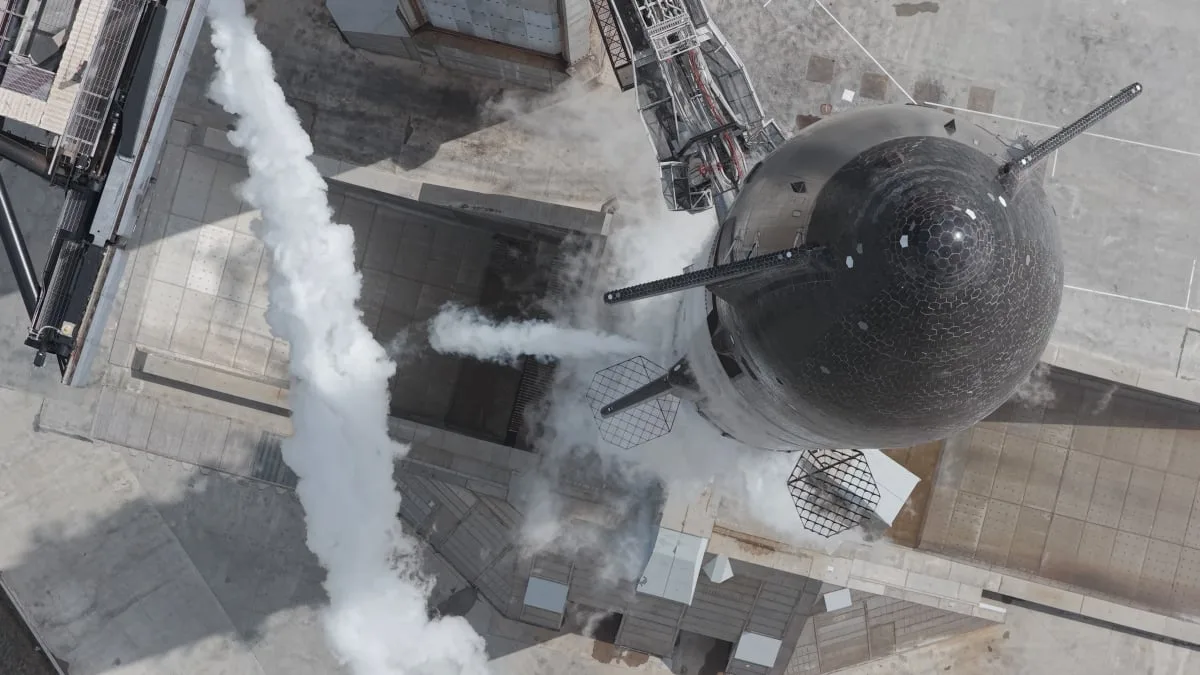
SpaceX is set to conduct the 12th test flight of its Starship rocket following a seven-month pause focused on rebuilding significant components of both the vehicle and its launch infrastructure. The upcoming launch will showcase a new generation of Starship paired with its Super Heavy booster, together forming the tallest and most powerful rocket system ever constructed.
The Starship and Super Heavy stack stands roughly 400 feet tall and will demonstrate SpaceX’s latest engineering refinements aimed at achieving reliable orbital launches and quick turnaround reusability—key to future missions to the Moon and Mars. Since its last flight in October 2025, the spacecraft has undergone major modifications, including redesigned Raptor engines and an improved heat shield designed to better withstand the intense heat generated during reentry.

SpaceX has also rebuilt and upgraded its launch site at Starbase in South Texas. Improvements include a new launch mount, enhanced fueling systems, and redesigned mechanical arms known as "chopsticks," which aim to catch the descending boosters for rapid reuse. These changes reflect lessons learned from previous flights that revealed vulnerabilities in both the rocket’s hardware and ground equipment.
One critical focus of this test is the heat shield protecting the Starship during its return through Earth’s atmosphere. The shield comprises thousands of heat-resistant tiles that prevent damage from frictional heating at hypersonic speeds. Past flights experienced tile loss and underlying damage, prompting engineers to adjust the design and reinforce the shield’s durability. For Flight 12, SpaceX plans to intentionally remove a single tile to better examine how surrounding tiles respond to stress. Additionally, some tiles have been painted white to enhance camera tracking during descent.
The live webcast will begin approximately 45 minutes before the planned launch window opens at 5:30 p.m. Central Time on Thursday. Viewers can watch through SpaceX’s official website or X account, where updates on potential delays or schedule changes are regularly posted. The timing of the launch has shifted multiple times as technical and weather conditions are carefully assessed to ensure safety and mission success.
SpaceX founder Elon Musk recently stated on social media that the company’s production pipeline is full and expects to complete around 10 more Starship vehicles and about half that number of boosters within the year. He underscored that while failures could occur, only significant damage to the launch stand would cause a major setback.
The stakes for this mission extend beyond SpaceX’s commercial ambitions. NASA intends to utilize Starship as the lunar lander for its Artemis program, aiming to return astronauts to the Moon later this decade. Successful flights and rapid reusability of Starship are essential steps toward both NASA’s lunar objectives and SpaceX’s long-term vision of crewed Mars missions.