

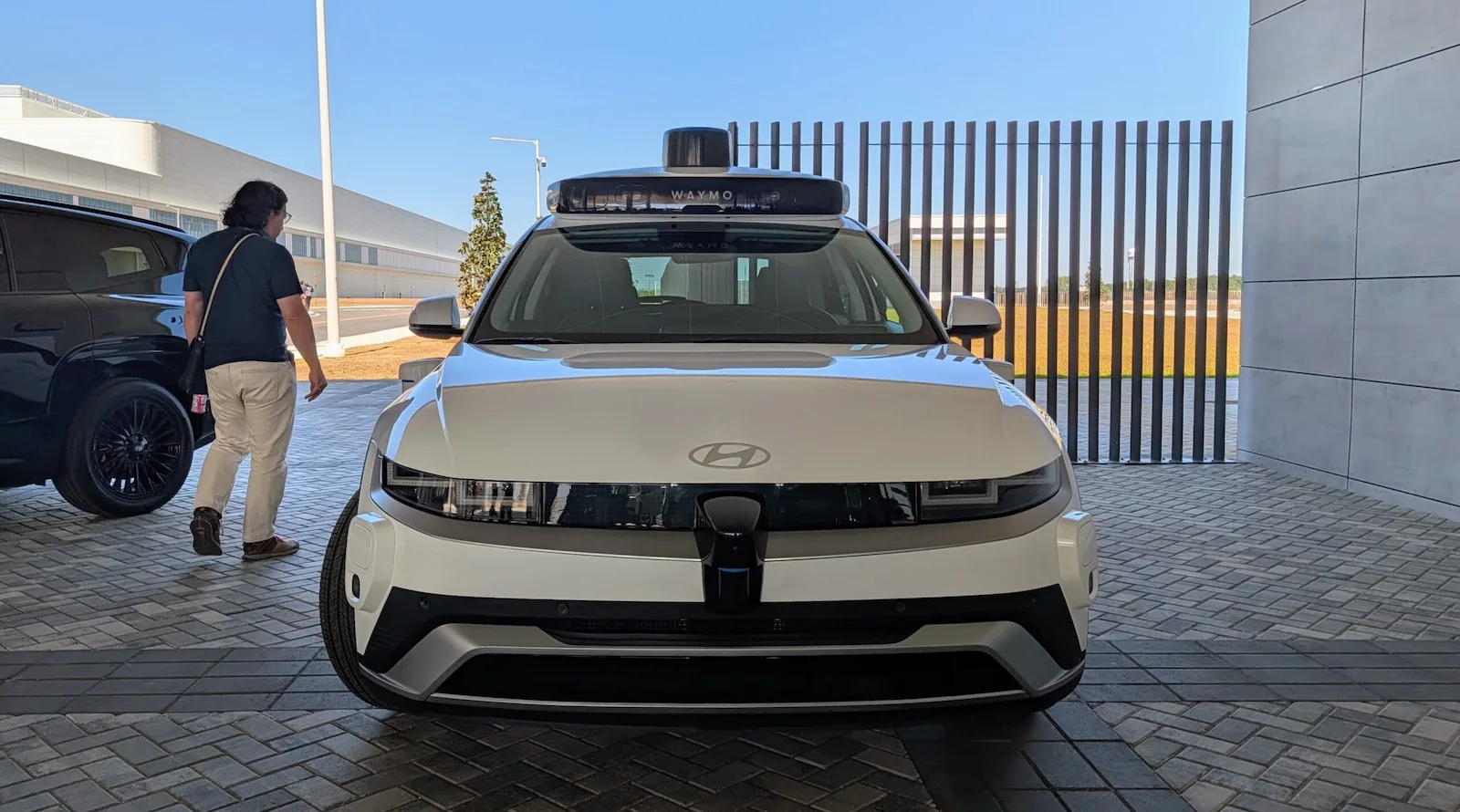
Waymo, a pioneer in self-driving vehicle technology, stands apart from Silicon Valley’s typical rapid innovation culture with a deliberate, safety-first approach in developing physical AI. Its co-CEO, Dmitri Dolgov, has warned the industry against adopting the "move fast and break things" mindset that dominates much of tech innovation.
Highlighting the unique challenges of physical AI systems, which cannot simply be reset or undone like software, Dolgov advocates for a balanced strategy: "move fast and ship safely." This cautious stance reflects Waymo’s experience, as the company has logged millions of miles with its robotaxis while expanding slowly and meticulously.

Physical AI encompasses technologies that interact directly with the physical environment, where failures can lead to real-world harm and irreparable consequences. Dolgov’s comments serve as a call for developers to embed safety at every stage—from model design to system architecture—rather than prioritize speed over reliability.
Despite Waymo’s clear message, the industry’s entrenched push for rapid release cycles may hinder widespread adoption of such careful practices. Dolgov’s warning signals awareness of the tension between innovation and caution, noting the need for physical AI firms to rethink strategies that may be acceptable in purely digital domains but risky in tangible applications.