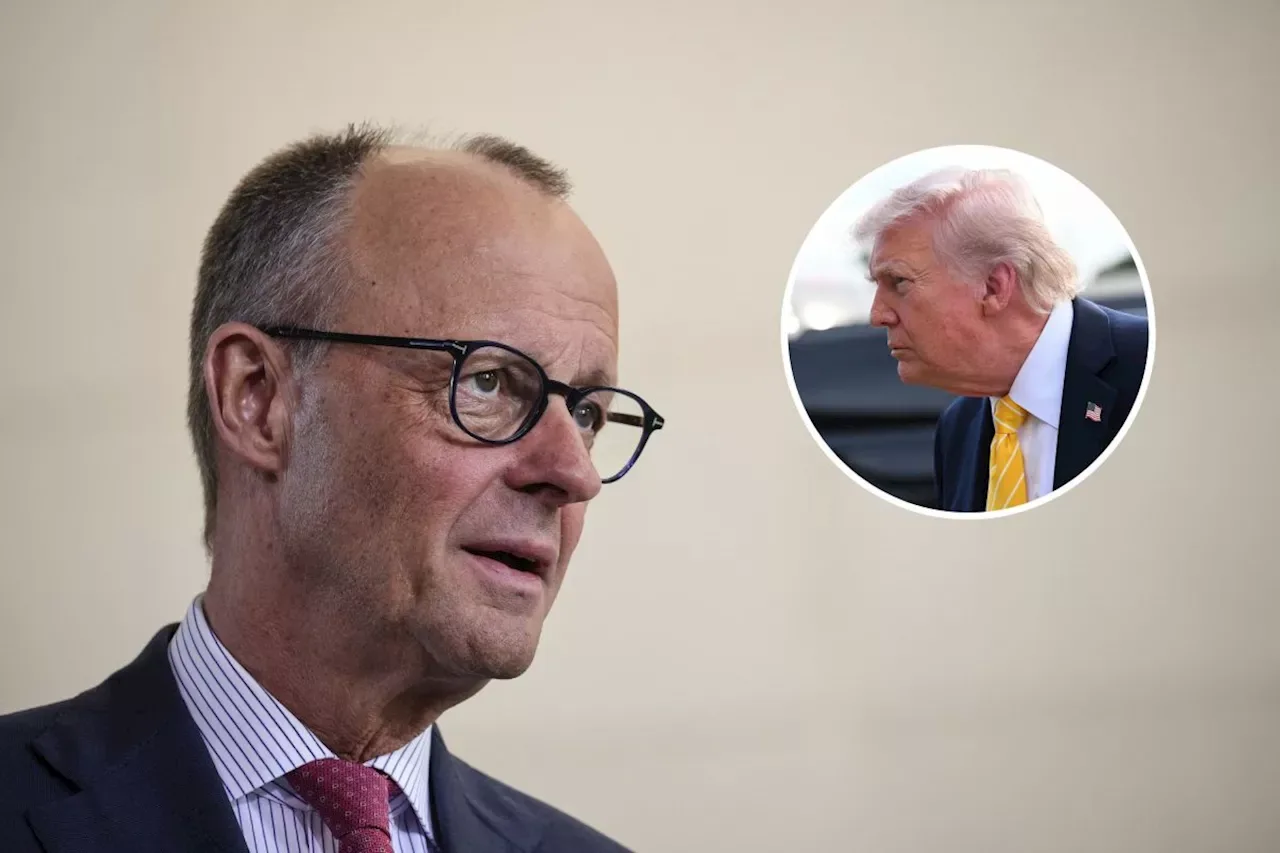
Chancellor Friedrich Merz stated in an interview with German public broadcaster ARD on Sunday that tensions with Trump over Iran did not drive the U.S. decision to withdraw troops from Germany. The announcement came after the United States revealed plans to cut its military footprint in the country by roughly 5,000 personnel. On Saturday, Trump indicated the reductions could extend further, telling reporters: "We're going to cut way down, and we're cutting a lot further than 5,000."
The troop reduction effectively cancels a plan developed under the Biden administration to deploy a U.S. battalion equipped with long-range Tomahawk missiles to Germany. Berlin had backed this deployment as a deterrent against Russian aggression as Moscow continues its war in Ukraine. U.S. bases in Germany function as major command, logistics, and medical hubs for broader regional operations and European security planning.

Merz appeared eager to prevent further strain on transatlantic relations. When asked directly about a connection between the troop withdrawal and his criticism of U.S. policy toward Iran, he responded: "There is no connection." He also suggested Trump had never formally committed to the Tomahawk deployment and noted the United States may lack sufficient supplies of such systems for transfer abroad.
Earlier in the week, Merz had publicly questioned the Trump administration's strategy in the Middle East. During a school visit in Marsberg on Monday, he said the Iranians appeared "clearly stronger than expected" and that "the Americans clearly have no truly convincing strategy in the negotiations either." He added that "a whole nation is being humiliated by the Iranian leadership."
In the ARD interview, Merz acknowledged differing perspectives. "I have to accept that the American president has a different view on these issues than we do," he said, while reaffirming that the United States remains a vital NATO partner. Senator Roger Wicker of Mississippi and Representative Mike Rogers of Alabama, who lead the Senate and House Armed Services committees respectively, issued a joint statement expressing concern about the withdrawal, calling it "very concerning" on Saturday.
Trump has long advocated for reducing the U.S. military presence in Germany, first raising the issue during his previous term, and has repeatedly pressed European allies to shoulder greater responsibility for their own defense. The military drawdown is expected to proceed, with additional details anticipated through Pentagon briefings and consultations with NATO allies.