A Supreme Court ruling last week fundamentally altered how the Voting Rights Act can be used to challenge congressional maps, prompting a generation of Black Americans—many of whom fought in the Civil Rights Movement—to mobilize for what they describe as a renewed battle for electoral representation. The court's conservative majority determined that states should not rely on racial demographics when drawing district lines, a decision that critics say opens the door to weakening the political power of minority voters. The majority characterized racism as a historical problem, but advocates view the ruling as evidence of its resurgence.
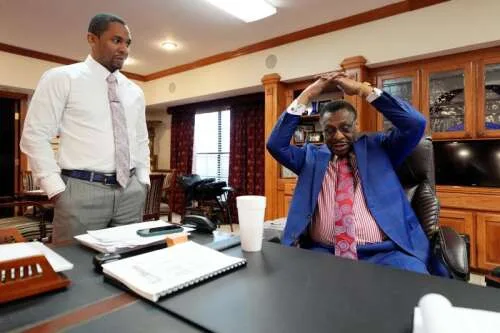
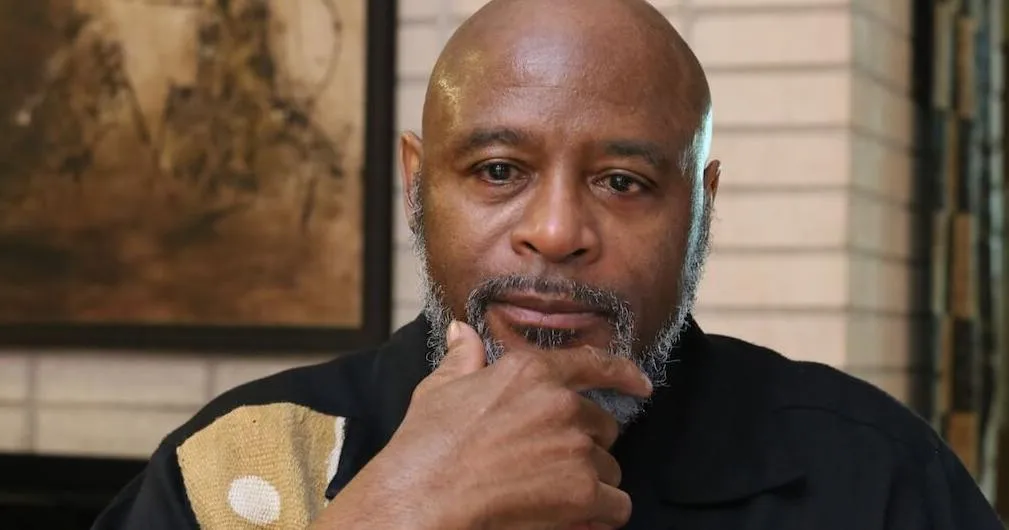
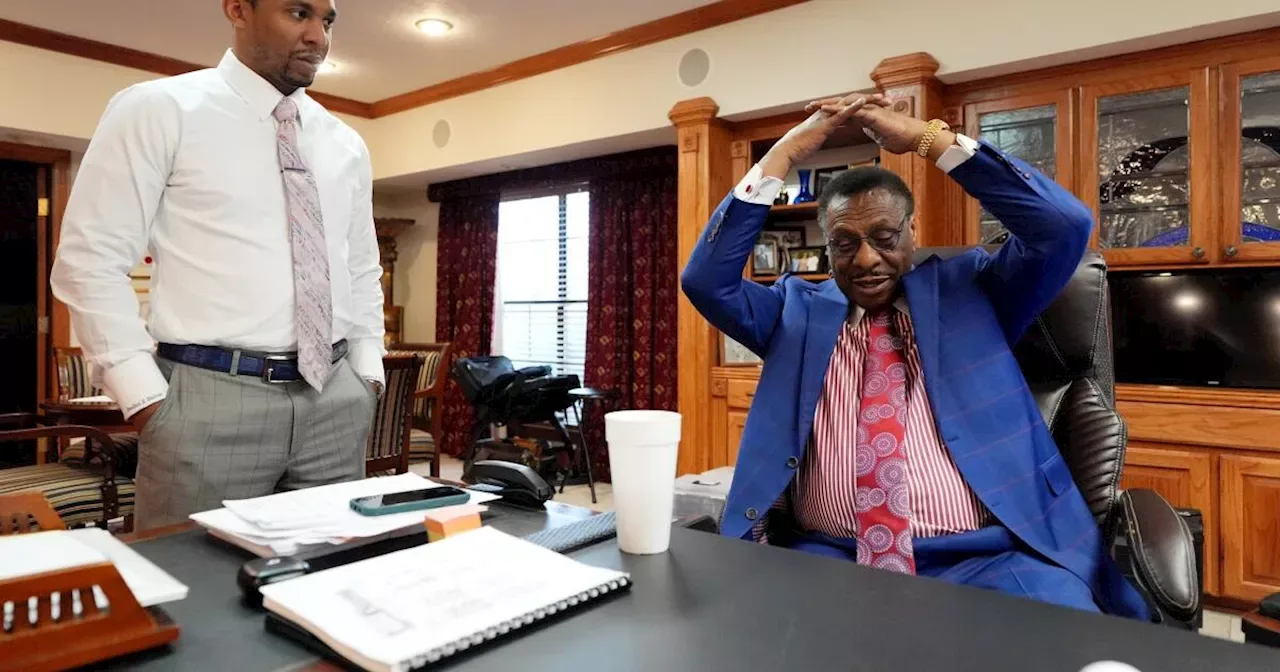
Edward Blackmon Jr., now 78, was arrested at age 16 during a voting rights demonstration in Mississippi and spent three nights in jail. He went on to become a civil rights lawyer and one of the first Black lawmakers elected in the state since Reconstruction. His son, Bradford Blackmon, a 37-year-old state senator, said the new ruling threatens progress that took generations to achieve. "It's just sad that we made progress and then they are always trying to roll it back when it shows that minorities are making more progress," Bradford Blackmon said.

The decision emerged from a case challenging Louisiana's congressional map. The Voting Rights Act of 1965 had guaranteed Black voters access to the ballot in the Deep South. Within a year of its passage, more than 250,000 Black Americans had registered to vote. By 2024, nearly 22 million Black voters were registered nationwide, according to the U.S. Census Bureau.
Veterans of the voting rights era expressed deep concern. Charles Mauldin, 78, of Birmingham, Alabama, was beaten by law enforcement during the 1965 Selma march known as Bloody Sunday. "I'm disappointed but not surprised," he said. "They've been chipping away at the 1965 Voting Rights Act for the last 60 years." Jonathan Jackson, a Democratic congressman from Illinois and son of the Rev. Jesse Jackson, called the prospect that his children could face fewer voting protections "surreal and devastating."
In Louisiana, younger Black politicians warned that redistricting could prevent candidates from competitive races. Davante Lewis, a 34-year-old Democrat on the state's utility regulatory board and plaintiff in the Louisiana case, said districts could be redrawn to exclude his communities from office. Jamie Davis, a Black farmer and Democratic Senate candidate in northeast Louisiana, expressed concern about voter discouragement, citing low turnout in recent cycles.
State Rep. Justin Pearson of Memphis, who is running for Congress, said people who fought to pass the Voting Rights Act are "shocked and devastated that they're having to relitigate the same fights that they fought 60 years ago." He predicted the ruling could "reinvigorate a civil rights movement in the South that demands equal representation."
Democratic Mississippi state Rep. Bryant Clark contended that the court's race-neutral framework ignores political reality. In Mississippi, where most Black voters are Democrats and most white voters are Republicans, he said the distinction becomes meaningless. "It's just a roundabout way to basically legalize racially discriminatory redistricting in the state," Clark said. Edward Blackmon Jr. noted that with Black residents comprising about 38 percent of Mississippi's population, current maps allow Black voters to elect candidates in some districts while maintaining Republican majorities statewide—an arrangement unlikely to change without incentive from lawmakers.