

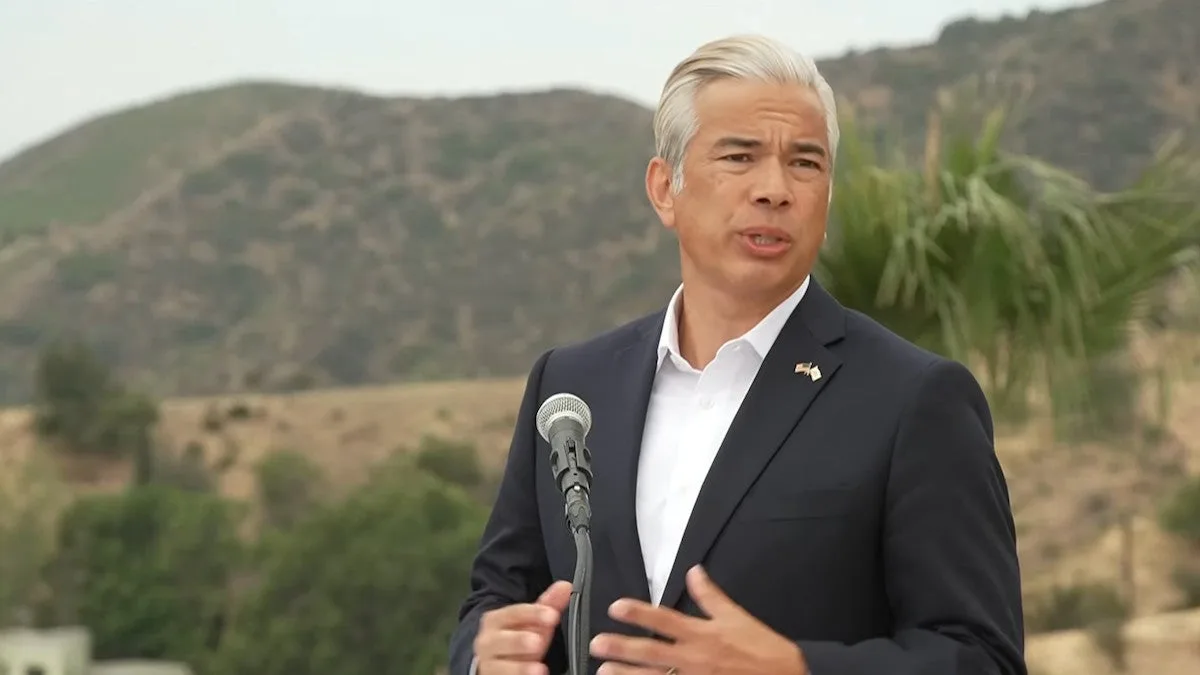
California Attorney General Rob Bonta is spearheading a coalition of 12 states in a legal challenge against the proposed $110 billion merger between Paramount and Warner Bros. Discovery. The lawsuit claims the merger would severely reduce competition in the entertainment sector, leading to higher prices, fewer films and television shows, and a decline in content quality for consumers.
The suit, filed in federal court in Northern California, asserts that the merger violates the Clayton Act by creating an entity that would control nearly one-third of theatrical film distribution and a similar share of basic cable programming, including about 50 of the nation’s top cable channels. Bonta emphasized that Paramount and Warner Bros. have long competed fiercely, driving innovation and quality that the merger threatens to extinguish.

The Attorney General further warned that the combined company’s increased market power would reduce movie theaters’ bargaining leverage, likely resulting in higher costs for exhibitors that could ultimately be passed on to audiences. He argued the consolidation would limit consumers’ options by reducing the volume and variety of movies and TV shows available each year.
Beyond economic concerns, Bonta highlighted the merger’s potential impact on journalism and the broader media landscape. He pointed out that the deal could lead to fewer journalists, documentarians, filmmakers, and other content creators, diminishing the diversity of information and perspectives available to the public.
Addressing reports that Paramount might relocate operations out of California if the merger is blocked, Bonta dismissed this as a negotiation tactic, insisting that any business plan involving legal violations is flawed. He maintained that both companies can continue to succeed in California by complying with the law.
Bonta also criticized the federal regulatory response, accusing the previous administration of inadequate antitrust enforcement on major deals like this. He suggested that the Trump administration “dropped the ball” on protecting competition in this sector, underscoring the importance of state-led legal action to challenge the merger’s approval.