

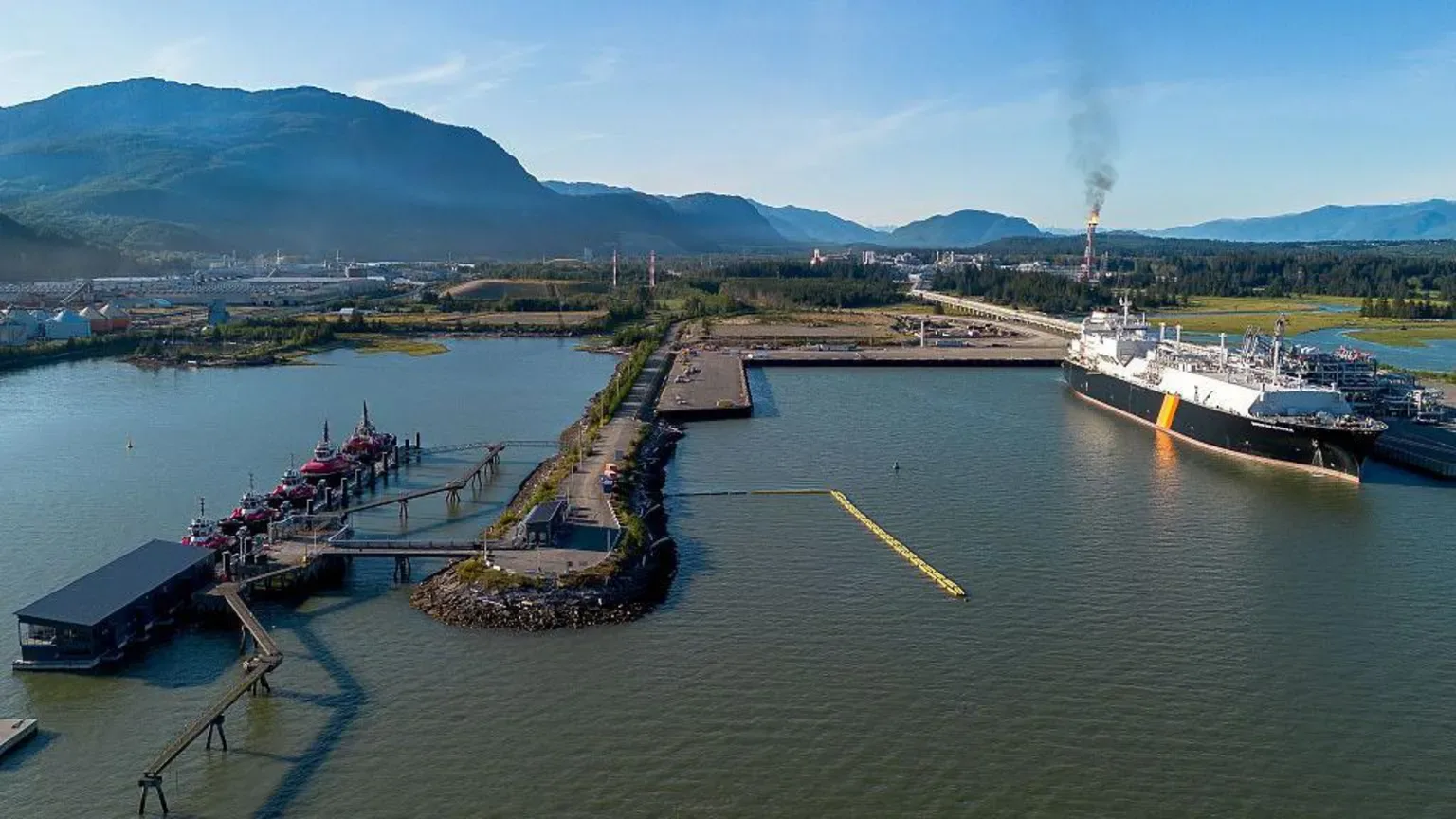
Canada and Germany finalized a groundbreaking energy partnership that commits to sending one million tonnes of liquefied natural gas (LNG) annually from British Columbia to Germany for up to two decades, starting in the early 2030s. This deal marks Canada’s first long-term LNG export agreement with Europe and represents a significant step in broadening Canadian trade beyond its traditional reliance on the United States.
The LNG exports will originate from the Ksi Lisims project along British Columbia’s coast, a major new LNG development still pending final investment approval. Canadian officials expressed confidence that the agreement with the German national energy utility Securing Energy for Europe (SEFE) will accelerate funding commitments and enable construction to commence within months. The project has received high-level attention, with the Canadian Prime Minister highlighting its national strategic importance and prioritizing it for expedited review.

This energy pact comes amid Europe’s urgent search for dependable energy alternatives following geopolitical disruptions caused by Russia’s invasion of Ukraine and ongoing instability in Iran. Canada’s energy minister emphasized that the deal underscores international trust in Canada’s stable democracy and abundant natural resources to help fill global energy supply gaps. Until now, nearly all Canadian LNG exports have been directed to the US, making this agreement a pivotal diversification move.
Despite governmental optimism, the Ksi Lisims project faces considerable opposition. Multiple Indigenous groups and environmental organizations challenge the project’s legality and environmental impact, framing it as a risky fossil fuel investment with a complicated history. Legal challenges led by some First Nations reflect a divided stance within Indigenous communities themselves, as groups such as the Nisga’a Nation support the development since it is located in their territory.
Meanwhile, political opponents criticize the current government for past LNG project delays, arguing that stronger support for such initiatives could have enhanced Canada’s energy exports. The new Canadian-German LNG deal, born from a trade mission to Berlin by senior Canadian officials, is thus both a commercial milestone and a focal point for broader debates on the future of Canada’s energy strategy.