

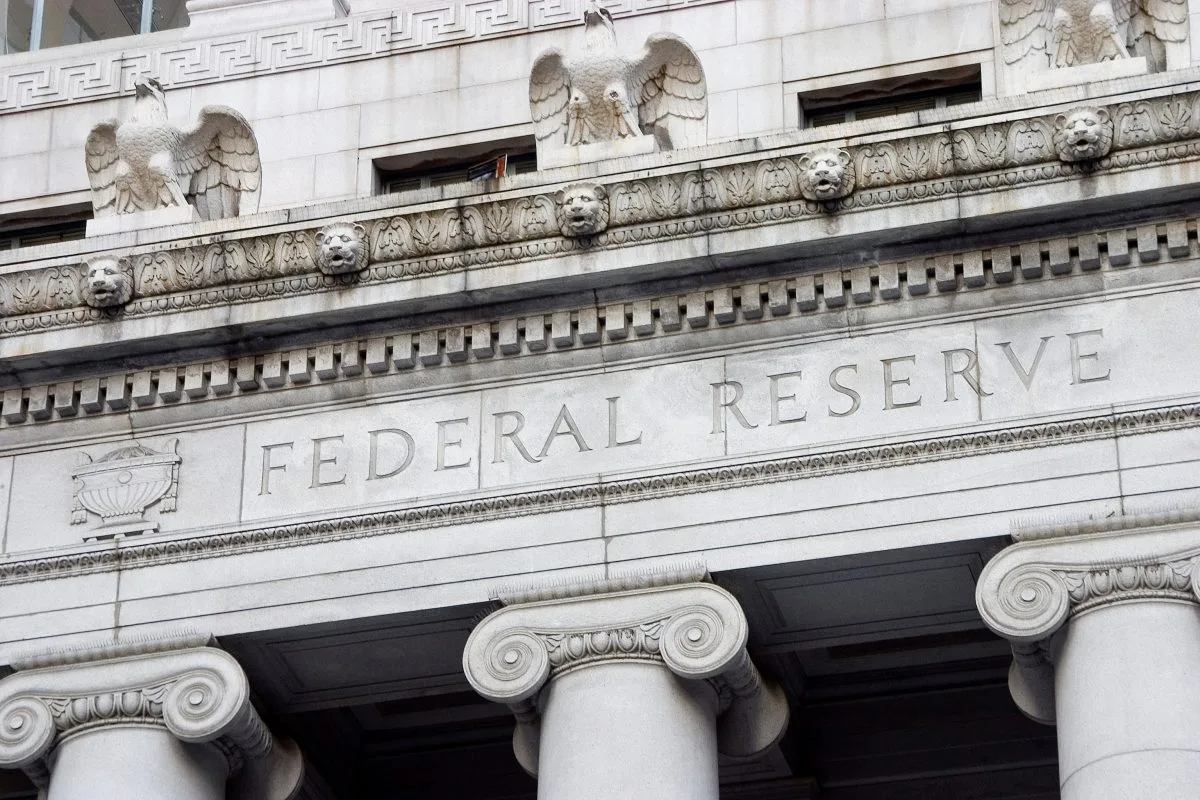
The Federal Reserve Board unveiled a proposal to overhaul its anti-money laundering (AML) program requirements for banks, pushing institutions to concentrate their efforts on higher-risk customers and activities. This shift directs banks to embed the Financial Crimes Enforcement Network’s (FinCEN) priority areas into their AML risk assessments, strengthening alignment with federal financial crime-fighting strategies.
The Fed’s proposed rule also signals a refocusing of its supervisory and enforcement efforts, targeting significant lapses in banks’ implementation of AML programs rather than their initial establishment. The move reflects an intent to hold financial institutions more accountable for effectively managing AML risks after adopting compliant frameworks.

This proposal emerges alongside similar plans announced earlier this year by FinCEN and three other federal regulators—the Office of the Comptroller of the Currency, the Federal Deposit Insurance Corporation, and the National Credit Union Administration—to synchronize AML and countering the financing of terrorism (CFT) rules across agencies. Together, these initiatives seek to reduce regulatory burdens while prioritizing risk-based, impactful compliance.
The Federal Reserve Board endorsed the proposal in a near-unanimous vote, with one dissenting member expressing concerns over a newly introduced enforcement standard described as “significant or systematic.” This official warned that the vague language might hinder the Fed’s ability to ensure banks maintain robust AML and CFT programs, underscoring the importance of clarity and rigor in supervisory standards.
FinCEN’s earlier proposal described the reforms as a fundamental shift designed to cut excessive paperwork and refocus efforts on detecting and stopping illicit financial activities. Treasury Secretary Scott Bessent emphasized that the goal is to move beyond compliance measured by documentation volume toward effective prevention of financial crimes, thereby safeguarding the integrity of the financial system.